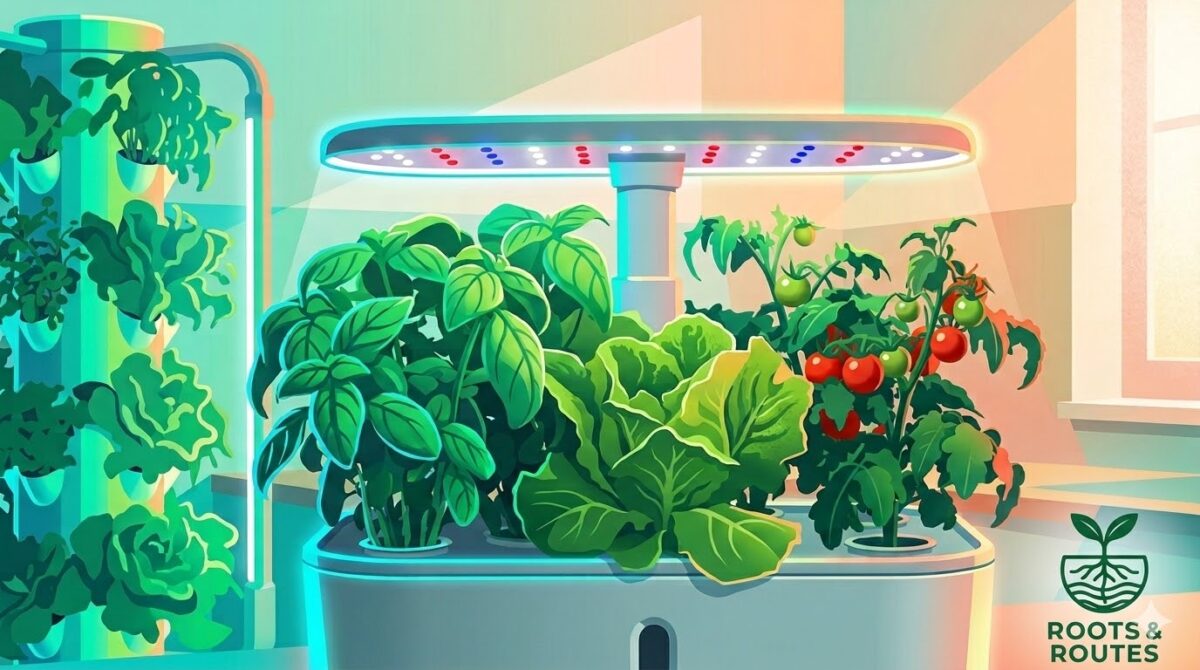
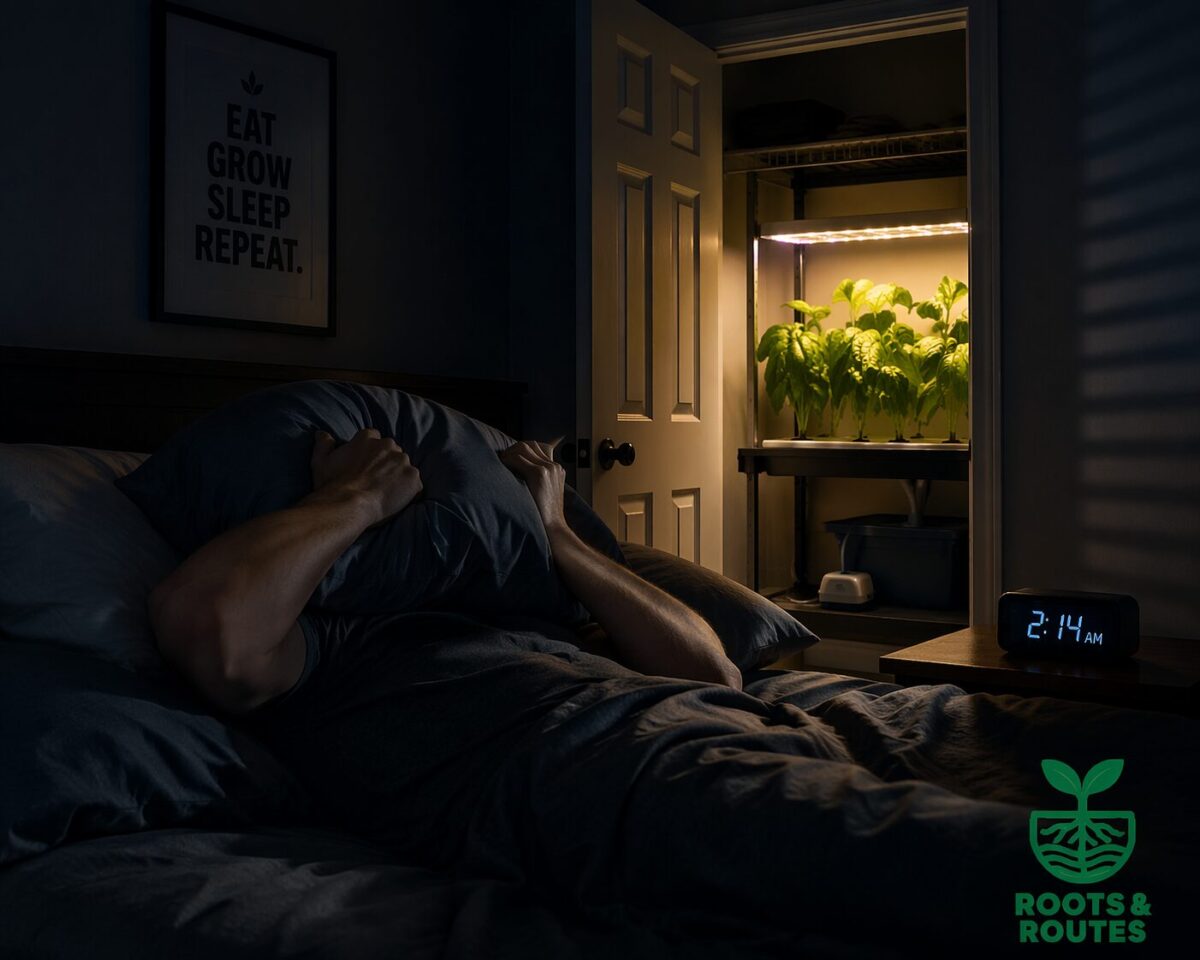
Hydroponics is great for indoor growing, but if your setup is in a bedroom or small apartment, a noisy hydroponic system can quietly ruin your sleep. Air pumps hum, water pumps vibrate, and bubbling reservoirs create a constant background sound that becomes much more noticeable at night. The good news is that building a quiet…

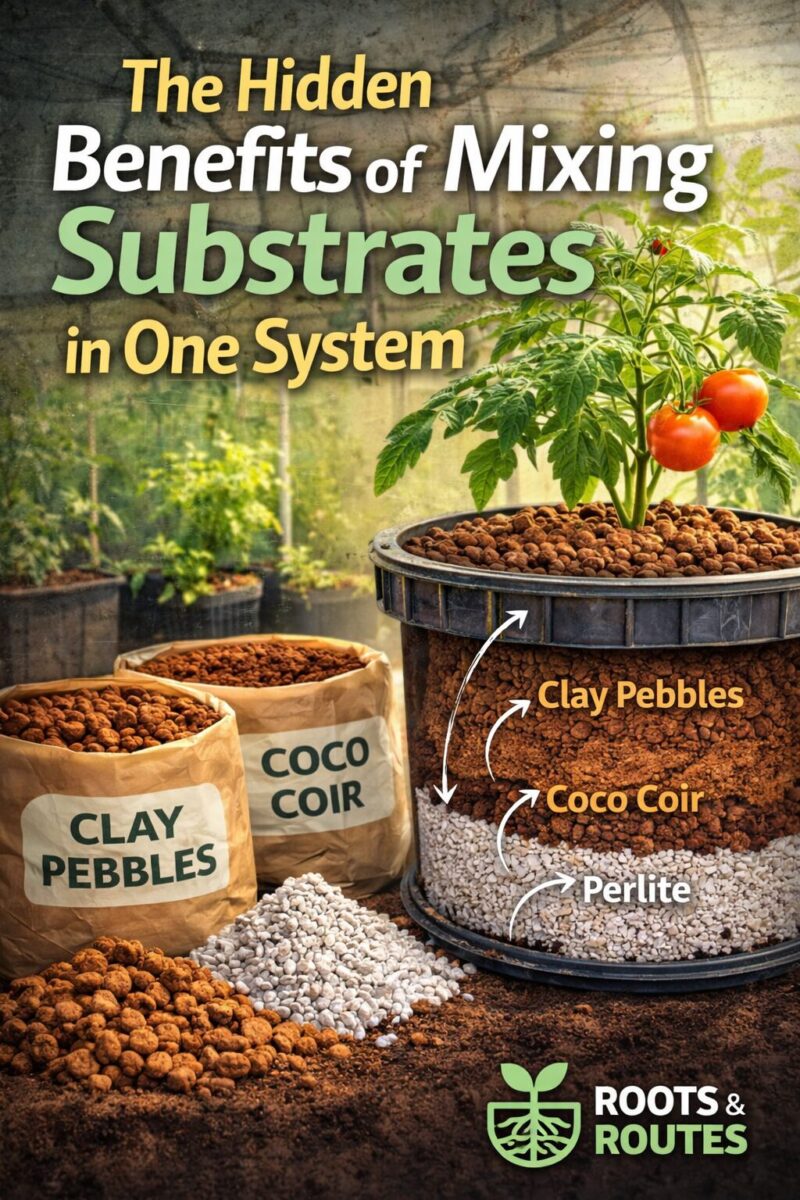
Why Mixing Substrates Can Improve Your Hydroponic System Most hydroponic growers are told to stick with a single growing medium like rockwool, clay pebbles, or coco coir. It keeps things simple and predictable. But mixing substrates can actually improve water retention, root aeration, and nutrient stability when done correctly. If you’ve spent any time reading…

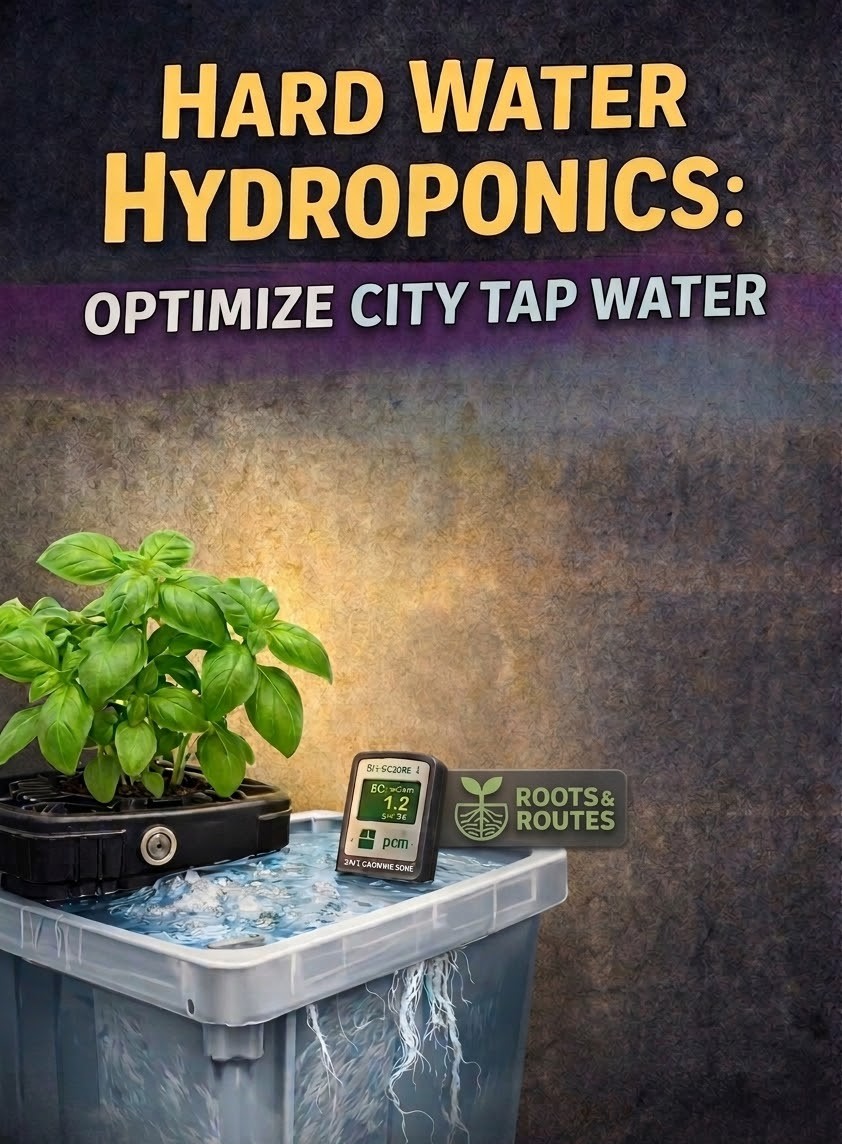
If you are struggling with hard water in hydroponics, you’ve probably noticed that white, crusty buildup on your net pots, or pH levels that bounce around like a rubber ball no matter how much “pH Down” you add. The truth is, most city tap water isn’t just H₂O. It’s a cocktail of chlorine, chloramines, and…

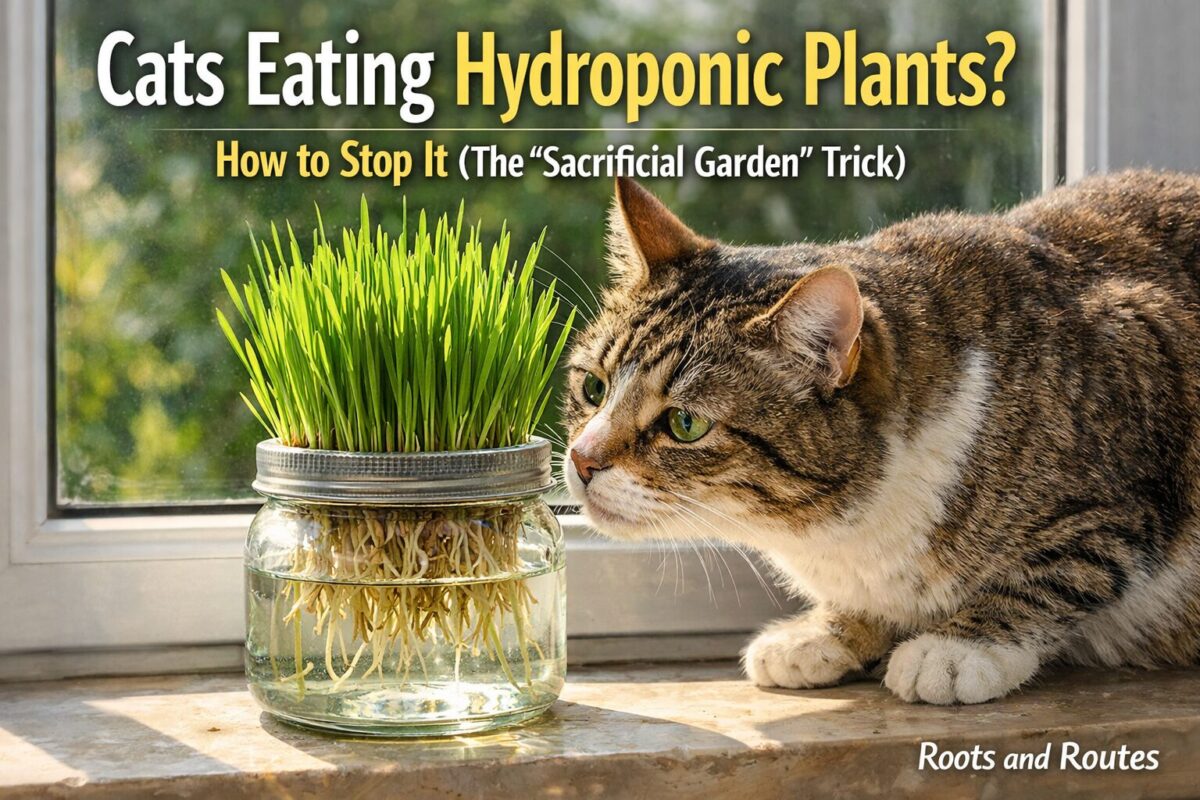
If you’ve ever had cats eating hydroponic plants, you know the frustration of seeing your carefully grown greens destroyed overnight. You spend weeks growing a perfect head of butterhead lettuce. The pH is dialed in, the nutrient levels are perfect, and the roots look like a fluffy white cloud. Then one morning you walk in…

Hydroponics has become one of the fastest growing ways to grow food indoors. You can conserve water, take control of nutrients, and grow fresh vegetables year-round. But with all the hype comes a pile of myths, widely repeated claims that can mislead beginners and even experienced growers. Believing them can slow your growth, frustrate you,…

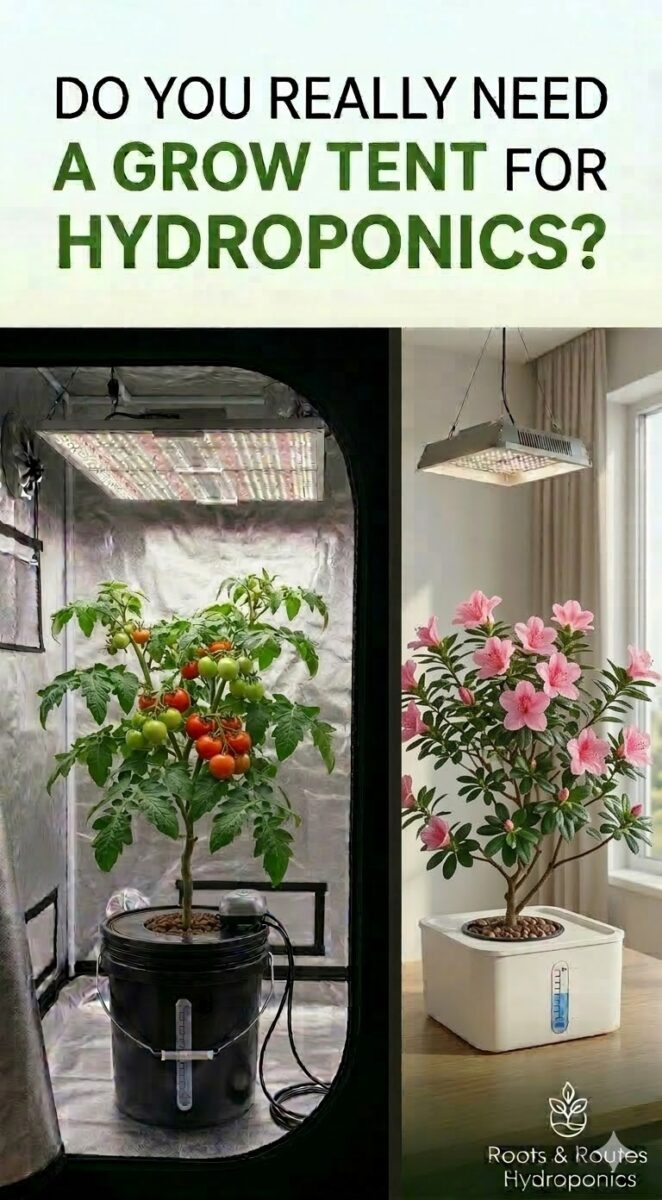
When diving into indoor gardening, one question beginners often ask is: “Do you really need a grow tent, or is it just a nice-to-have?” The answer depends on your system, your space, and how much control you want over your plants. While small systems can thrive in open air, larger setups or specific plant varieties…
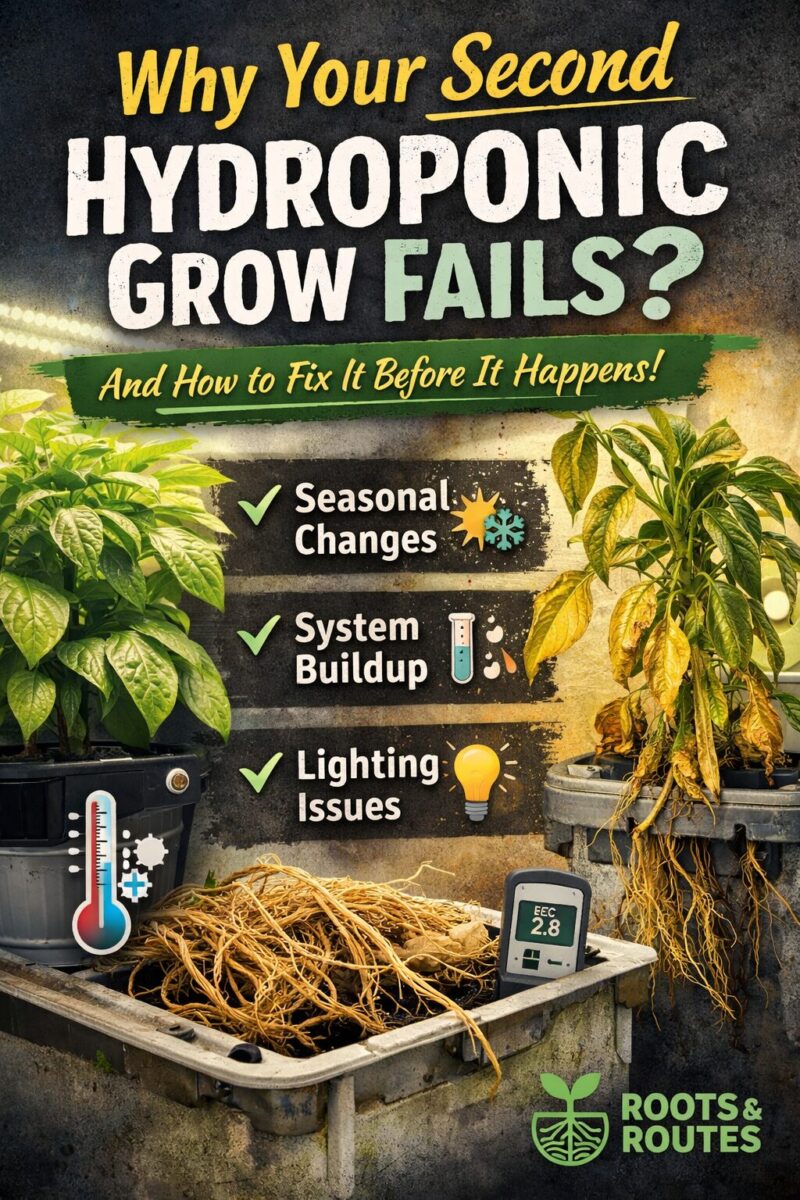
If you’re asking yourself why your second hydroponic grow fails, the short answer is this: even when your equipment stays the same, your environment and system conditions don’t. Small invisible changes — from leftover salt in the system to seasonal swings in humidity — can stress plants in ways you didn’t see the first time…
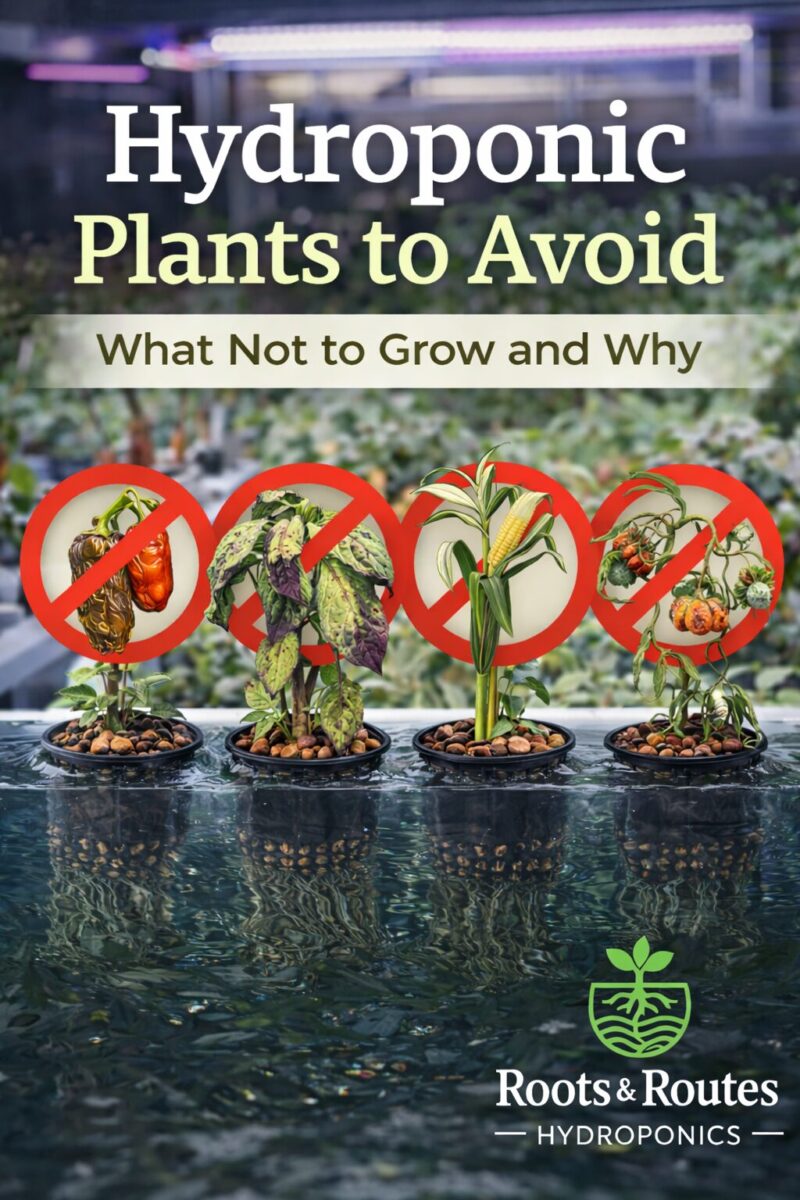
Hydroponic plants to avoid are usually crops that require excessive space, deep root systems, long growing seasons, or highly specific soil interactions that hydroponics cannot easily replicate. The short answer is this: while many plants can survive in hydroponics, not all of them grow efficiently, economically, or practically in a controlled indoor system. Some are…
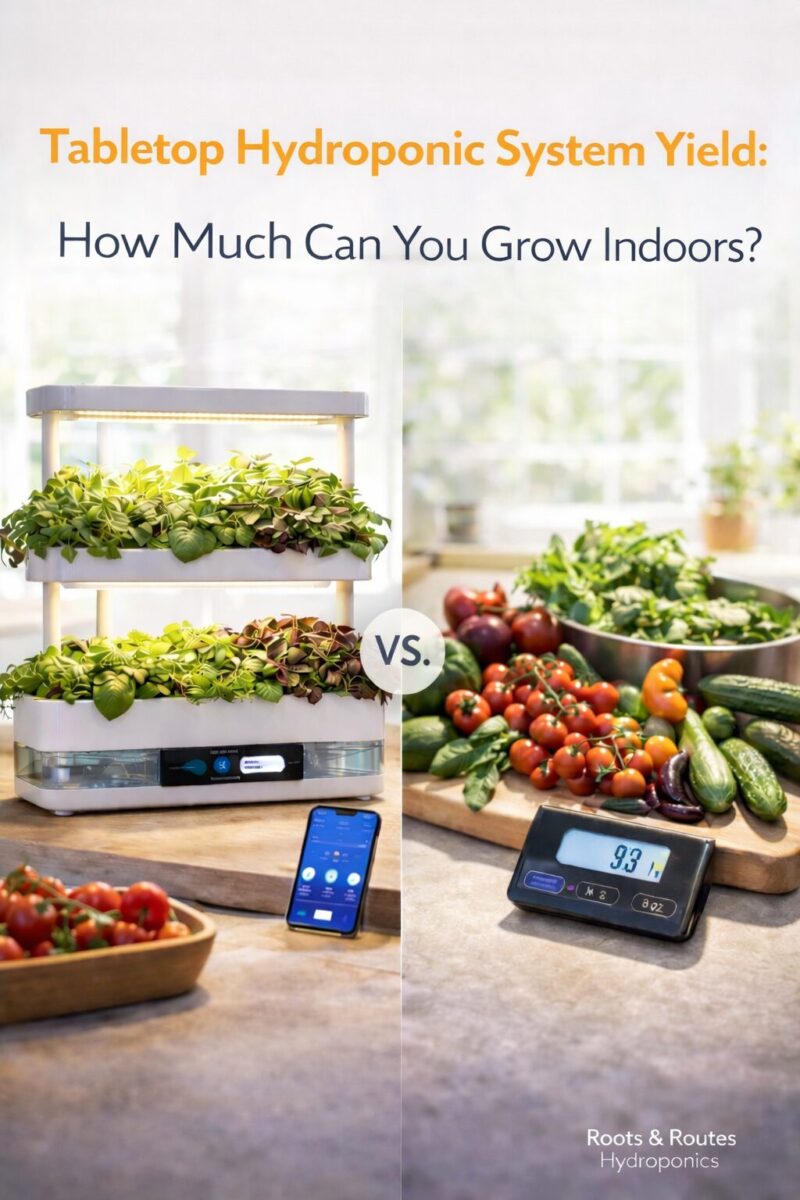
How much can a Tabletop Hydroponic System Yield ?Realistically, you can grow enough fresh herbs and leafy greens to supplement daily meals, not enough to replace grocery shopping or run a profitable operation. A tabletop system is best viewed as a consistent fresh food source, not a production farm. That distinction matters, because expectations are…
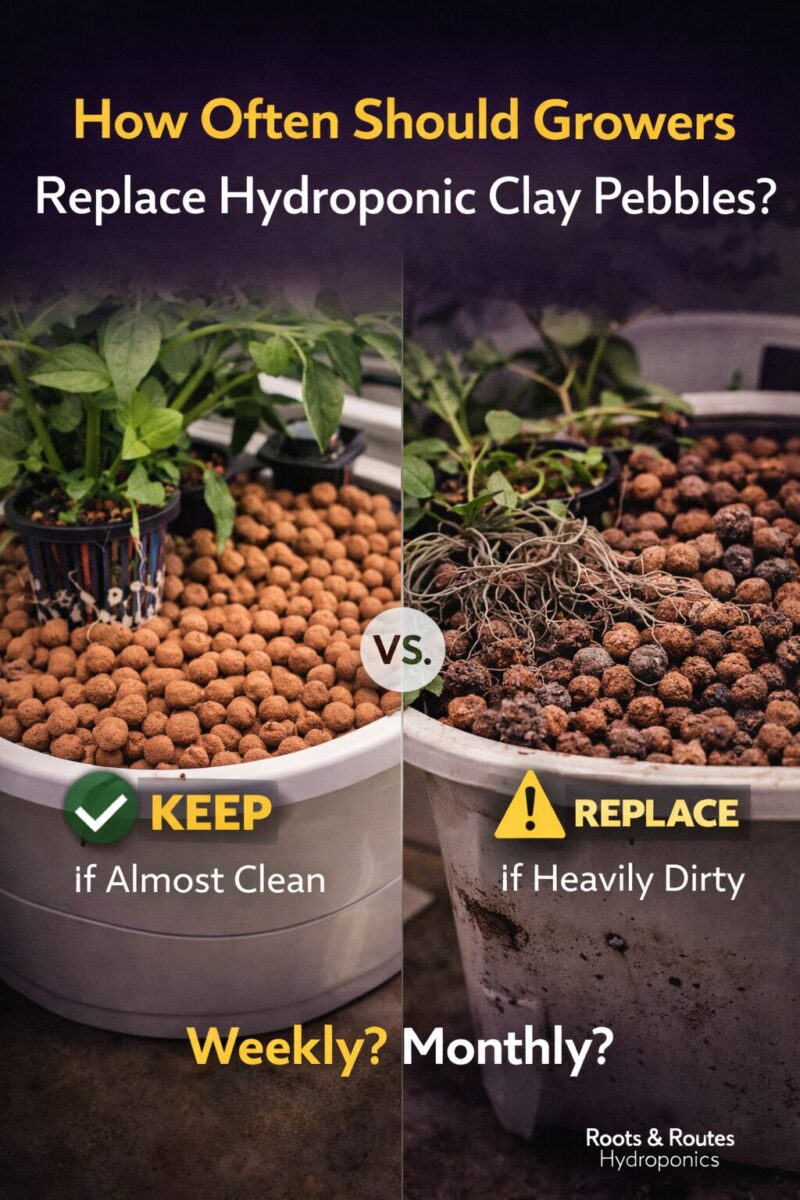
If you’re wondering when to replace hydroponic clay pebbles, the answer isn’t one-size-fits-all. The lifespan of your pebbles depends on how you use your system, the types of plants you grow, and how well you clean and maintain the media between crops. For most growers, clay pebbles last 12–24 months before replacement is necessary, but…