Hydroponics has become one of the fastest growing ways to grow food indoors. You can conserve water, take control of nutrients, and grow fresh vegetables year-round. But with all the hype comes a pile of myths, widely repeated claims that can mislead beginners and even experienced growers. Believing them can slow your growth, frustrate you, or even lead to crop failure. Let’s look at seven of the most common hydroponics myths and what you should actually know to grow successfully.
Myth 1: Hydroponic Produce Isn’t as Nutritious as Soil-Grown
A common assumption is that plants grown without soil are somehow inferior. The truth is that hydroponic crops can match or exceed soil-grown produce in nutrient content. Because you control exactly what nutrients your plants receive and when, you can optimize for mineral content, vitamins, and overall health. Of course, balance is key. Overfeeding or underfeeding can reduce quality, but with a properly maintained nutrient solution, your leafy greens, tomatoes, and peppers can be just as healthy, if not healthier, than anything grown in soil. For example, hydroponic lettuce can have higher levels of vitamin C than its soil-grown counterpart because it never experiences nutrient stress.
Myth 2: Hydroponics Uses More Water Than Soil Gardening
At first glance, a system full of flowing water might seem wasteful. In reality, hydroponics is extremely water efficient. Most systems recirculate water, keeping it in the system until the plants absorb it. In soil gardens, a large portion of water evaporates or drains away unused, especially in sandy or poorly managed soils. Hydroponic systems can use up to 90 percent less water. Even small apartment setups or countertop systems can make a meaningful difference, particularly in areas with limited water access.
Myth 3: Hydroponics Is Only for Large Farms or Greenhouses
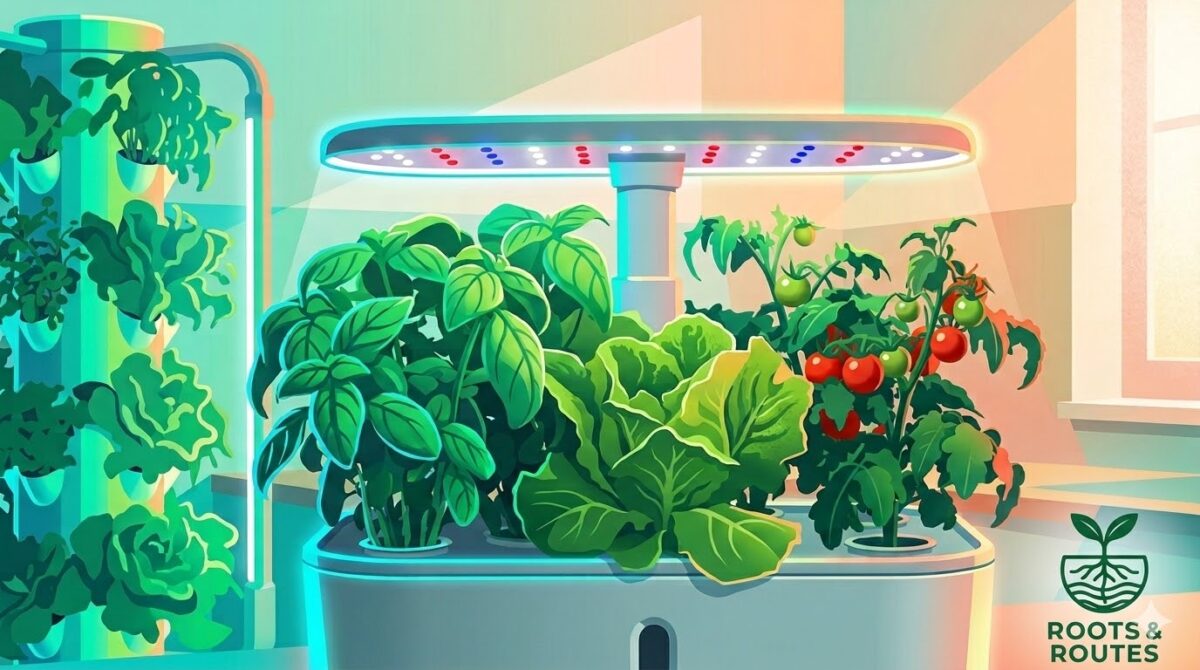
Many beginners assume hydroponics requires huge spaces or commercial equipment. That is not the case. Compact systems, tabletop gardens, and DIY setups allow people to grow significant amounts of food in apartments, closets, or on small balconies. Vertical stacking and modular systems multiply your growing area without increasing floor space. A single shelf with LED lights can produce enough herbs and greens to supplement a family’s meals, proving that hydroponics can thrive in small, unconventional spaces.
Myth 4: You Need Tons of Special Equipment
It’s easy to feel intimidated by hydroponics because of all the pumps, timers, sensors, and fancy grow lights people talk about. The reality is that beginners only need a reservoir, a basic pump, and some form of lighting to get started. Plants will grow without expensive automation. As your experience grows, you can add advanced tools like pH monitors, automated dosing, or high-tech lighting, but the core concept is simple: water, nutrients, air, and light. Start small, learn your system, and expand when you feel confident.
Myth 5: Hydroponics Is Unnatural or Artificial
Some critics say hydroponics is “not real gardening” and that plants grow best in soil. Hydroponics actually mimics what soil does naturally: it provides water, nutrients, oxygen, and structural support. By delivering these essentials directly to roots, hydroponics often reduces plant stress and accelerates growth. Plants respond naturally to an optimized root environment. Many growers notice faster germination, stronger roots, and higher yields compared to traditional soil setups because the system removes barriers like compacted soil or inconsistent watering.
Myth 6: Hydroponics Is Too Expensive for Beginners
It’s true that commercial systems can cost hundreds or thousands of dollars. However, beginners don’t need to invest that much. Simple systems built from buckets, recycled containers, or small tabletop units can produce tangible results. Over time, hydroponics often saves money compared to traditional gardening because you use less water, no soil, and harvest more consistently. Starting small allows you to experiment, learn, and gradually upgrade your setup without wasting money on gear you might not need.
Myth 7: Hydroponics Can’t Grow Fruiting Plants
Many people think hydroponics is only for lettuce and herbs and that fruiting plants like tomatoes or peppers won’t thrive indoors. That is not true. With proper light, support, and nutrient management, fruiting crops can flourish in hydroponic systems. Attention to growth cycles and environmental control is key. Cherry tomatoes, strawberries, peppers, and small cucumbers can produce steady, flavorful harvests indoors without a traditional garden plot. Even beginner-friendly tabletop systems can successfully grow these plants when they are pruned, supported, and monitored for nutrient needs.
Final Thoughts
Hydroponics is not magic. It requires observation, patience, and experimentation. Myths about nutrition, water use, space, equipment, cost, or plant selection can make the process seem harder than it is. By understanding these seven misconceptions and applying practical knowledge, you can grow productive, healthy crops indoors, all year round. Hydroponics allows you to maximize your space, control your nutrients, and enjoy fresh food in ways soil alone cannot. With realistic expectations and a willingness to learn, even beginners can achieve successful, rewarding indoor gardens.
Do you really need a grow tent for hydroponics? Find out Here
If you’re unsure what system will fit your space or how much you want to invest, our Hydroponic System Selector Tool can help. It guides you through sizes and types so you can find options that match your goals.
For deeper guidance on nutrients, lights, substrates, and other indoor hydroponics essentials, see our full resource page