
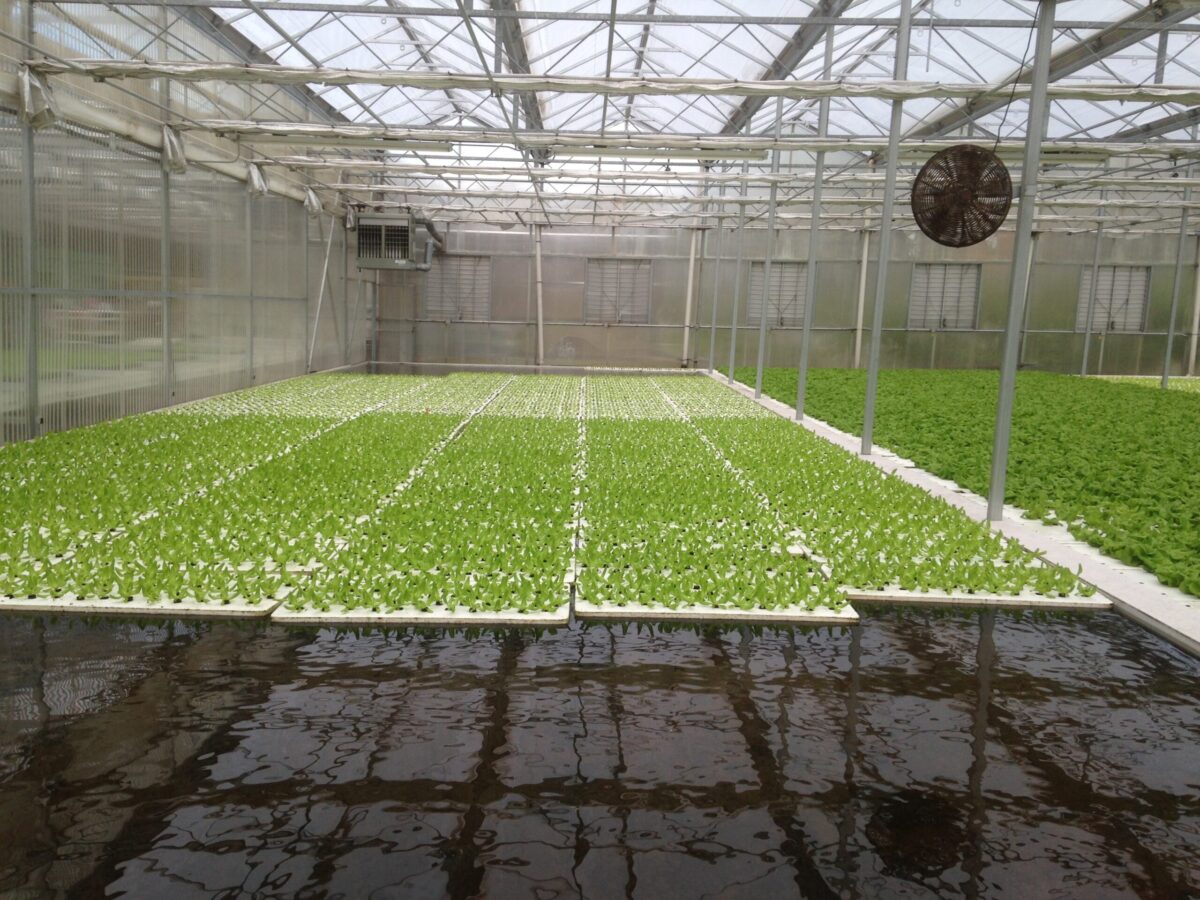
Deep water culture, or DWC, is one of the simplest hydroponic methods but also one of the most sensitive. Plants are suspended in nutrient-rich water with their roots constantly exposed, so every detail matters. Done correctly, it produces fast, clean growth and healthy roots. Done incorrectly, it can fail quickly.
What Makes Deep Water Culture Unique
In DWC, plant roots sit in a net pot just above the water line. Air stones pump oxygen directly into the nutrient solution, keeping roots healthy and promoting rapid growth. Unlike soil systems, plants do not waste energy expanding roots through media. This method is excellent for leafy greens, herbs, and other fast-growing plants.
Learn more about Hydroponic Systems <Here
Essential Equipment
- Food grade bucket or reservoir
- Net pots and lids
- Expanded clay pellets or other inert media
- Air pump with sufficient capacity
- Air stones and tubing
- PPM and pH meter
- Water thermometer
- Hydro nutrients formulated for water-based systems
Prevent light from entering the reservoir. Exposure encourages algae. Paint or wrap opaque if needed.
Oxygen Requirements
Oxygen is critical. The water must be fully aerated or roots can suffocate. A common mistake is using an underpowered pump. For safety, choose a pump rated for at least four times the volume of your reservoir. For example, a five-gallon bucket should use a pump rated for twenty gallons or more.
Temperature Guidelines
| Water Temperature | Result |
| 62–68 F | Optimal growth |
| 69–72 F | Still safe, monitor for algae |
| 73–75 F | Risk of bacterial growth |
| Above 75 F | High risk of root issues |
Nutrient Strengths
Because there is no media buffer, nutrients affect roots immediately. Start conservative and adjust as needed. Example ranges:
| Stage | PPM Range |
| Seedlings | 100–150 |
| Early Vegetative | 200–350 |
| Mid Vegetative | 400–500 |
| Early Bloom | 500–650 |
| Mid Bloom | 650–800 |
Water Changes and Maintenance
Water should be changed based on reservoir size:
- Small buckets (5 gallons): full change every 7–10 days; top off every 1–2 days
- Large reservoirs (20+ gallons): full change every 10–14 days; top off as needed
Check roots regularly. Healthy roots are white or cream colored and smell neutral. Brown, slimy, or foul-smelling roots indicate bacterial problems. Cold water and sufficient aeration solve most early issues.
Pros and Cons
Pros
- Rapid growth
- Simple construction
- Visible root monitoring
- Quick nutrient adjustments
- Clean system
Cons
- Heat is an enemy
- Small reservoirs fluctuate quickly
- Power outages impact plants immediately
- Water changes require attention
Best Plants for Deep Water Culture
- Leafy greens such as lettuce, kale, chard
- Herbs including basil, mint, parsley, cilantro
- Some dwarf fruiting varieties like small peppers
Final Thoughts
DWC can outperform soil in speed and cleanliness if maintained correctly. The system rewards consistent attention to oxygen, temperature, and nutrient strength. When balanced, plants thrive and growth is steady and predictable.
Free Hydroponics Tools to Dial In Your Grow
Don’t guess on the math. Use these free calculators to implement the exact tips from this guide, protect your root zone, and keep your reservoir balanced.
Hydroponic Calculators and Tools Page
- Nutrient Mixing Calculator — calculate exact nutrient dosing based on EC targets, reservoir size, and growth stage
- EC to PPM Converter— instantly convert EC readings into all major PPM scales (500, 650, 700)
- Reservoir Top Off Calculator — fix nutrient spikes by calculating exact dilution water needed
- Light Distance Calculator — find safe hanging distances for grow lights based on wattage, plant stage, and light type to avoid burn while maximizing growth.
- VPD Calculator — analyzes your temperature and humidity to calculate vapor pressure deficit based on your plant type and growth stage.
- pH Adjustment Calculator & Drift Analyzer — use this hydroponic pH calculator to estimate how much pH Up or pH Down to add, also analyzes long term pH drift patterns to help diagnose unstable reservoirs
- Hydroponic System Selector Tool — helps you choose the best hydroponic system for your space and goals with recommended setups.