Tag: indoor gardening
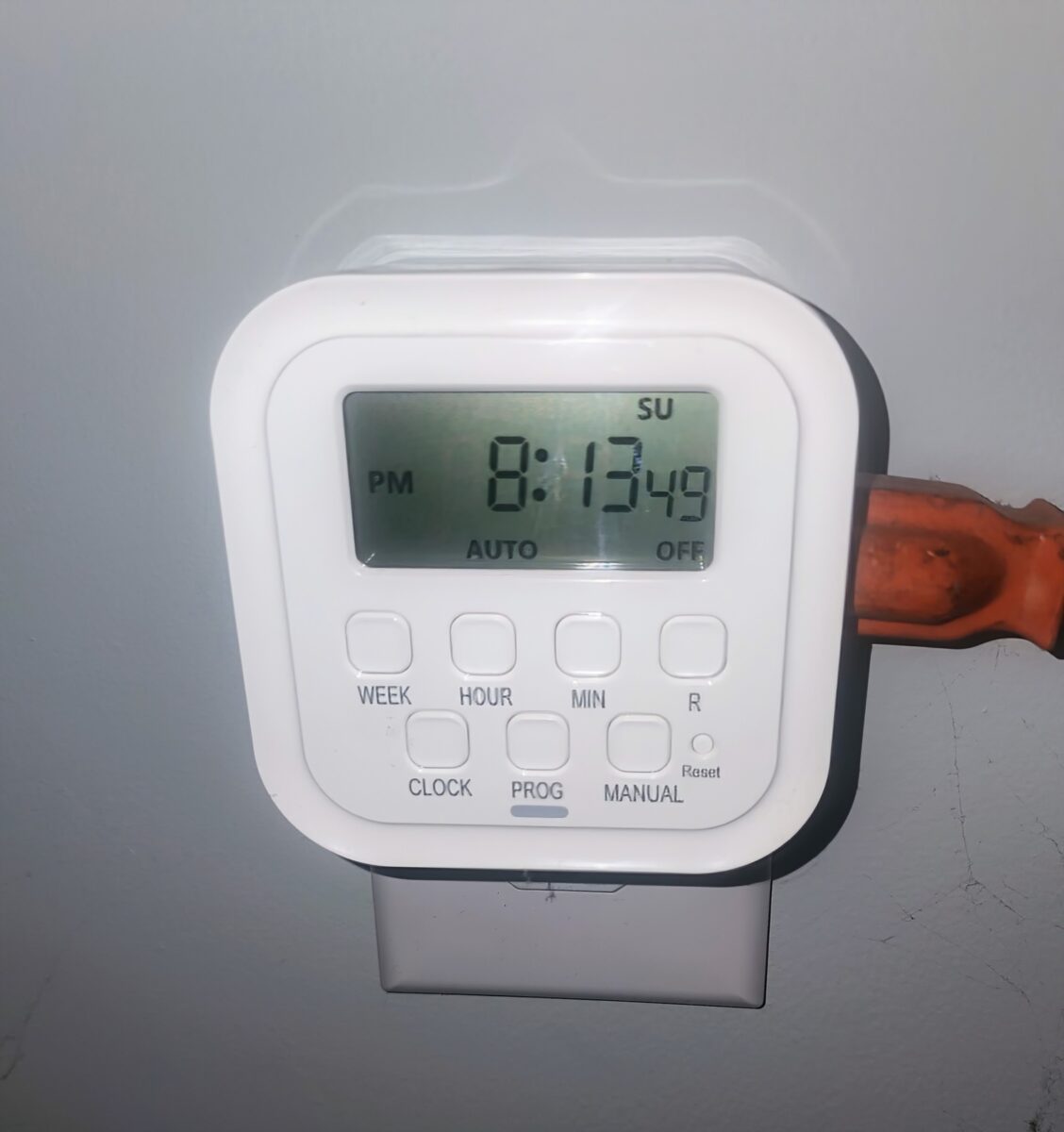
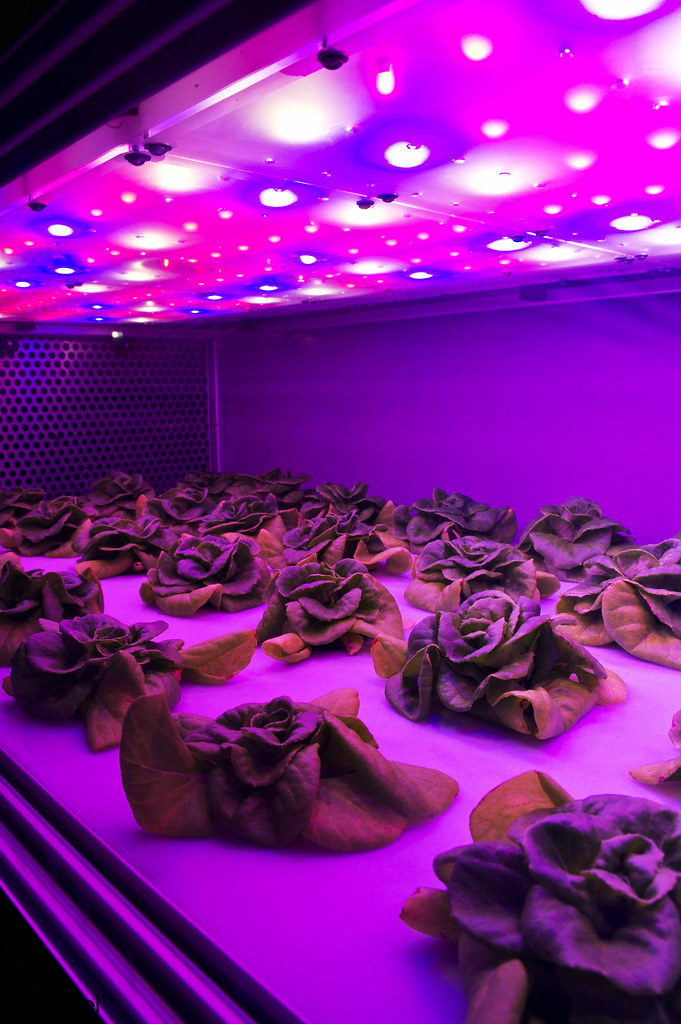
Proper light scheduling is one of the most important factors for successful hydroponic growth. Plants rely on light not just for photosynthesis but also to trigger specific growth stages. In indoor hydroponic gardens, controlling the duration and intensity of light can dramatically influence plant health, yield, and flowering. Understanding Photoperiods in Hydroponics Plants respond to…

Maintaining proper airflow and heat around your hydroponic grow lights is essential for healthy plant growth, consistent yields, and preventing common problems like mold, pests, or nutrient stress. Each type of grow light produces different amounts of heat, interacts differently with the environment, and requires specific strategies to keep your garden thriving. This guide explores…

Light is the engine that drives plant growth, and in hydroponics it becomes even more critical because plants rely entirely on controlled conditions. While artificial grow lights dominate most indoor setups, natural sunlight and proper light schedules still play an important role in many hydroponic gardens. Understanding how sunlight behaves, how plants respond to light…

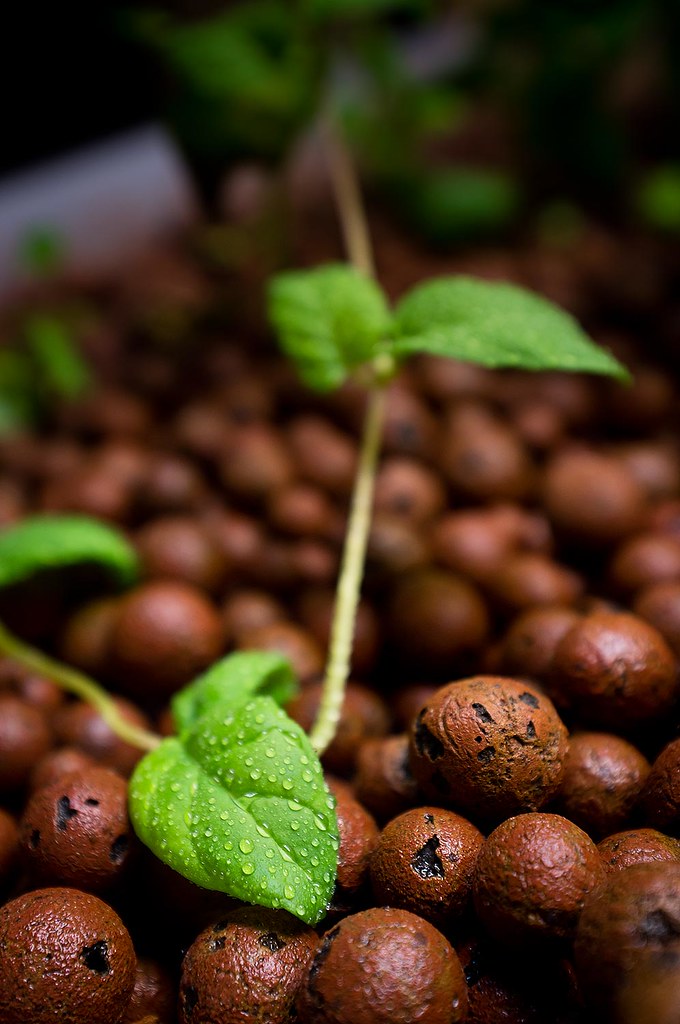
Clay pebbles, also known as Hydroton, are among the most widely used hydroponic growing mediums. Lightweight, porous, and chemically inert, they provide excellent aeration and drainage for roots while maintaining a neutral pH. Understanding how to use them effectively can make a significant difference in plant health, root development, and overall yield. For a comprehensive…

Setting up a hydroponic garden begins with a fundamental decision: should you build your system yourself or purchase a pre-built kit? Both approaches have unique benefits and challenges. Understanding these can help you design a system that matches your space, budget, and experience level. DIY Hydroponic Systems: Building Your Own DIY hydroponic systems provide the…

Aeroponics is one of the most innovative hydroponic systems available, allowing plants to grow with their roots suspended in air and periodically misted with nutrient-rich water. This method maximizes oxygen exposure to the roots, which can accelerate growth, increase yields, and improve nutrient absorption compared to traditional hydroponic systems like Ebb & Flow or DWC.…
The Ebb & Flow system, also called Flood & Drain, is one of the most popular hydroponic methods for both beginners and experienced growers. It works by periodically flooding plant roots with nutrient-rich water and then allowing the solution to drain back into a reservoir. This cycle gives roots plenty of oxygen while keeping nutrients…

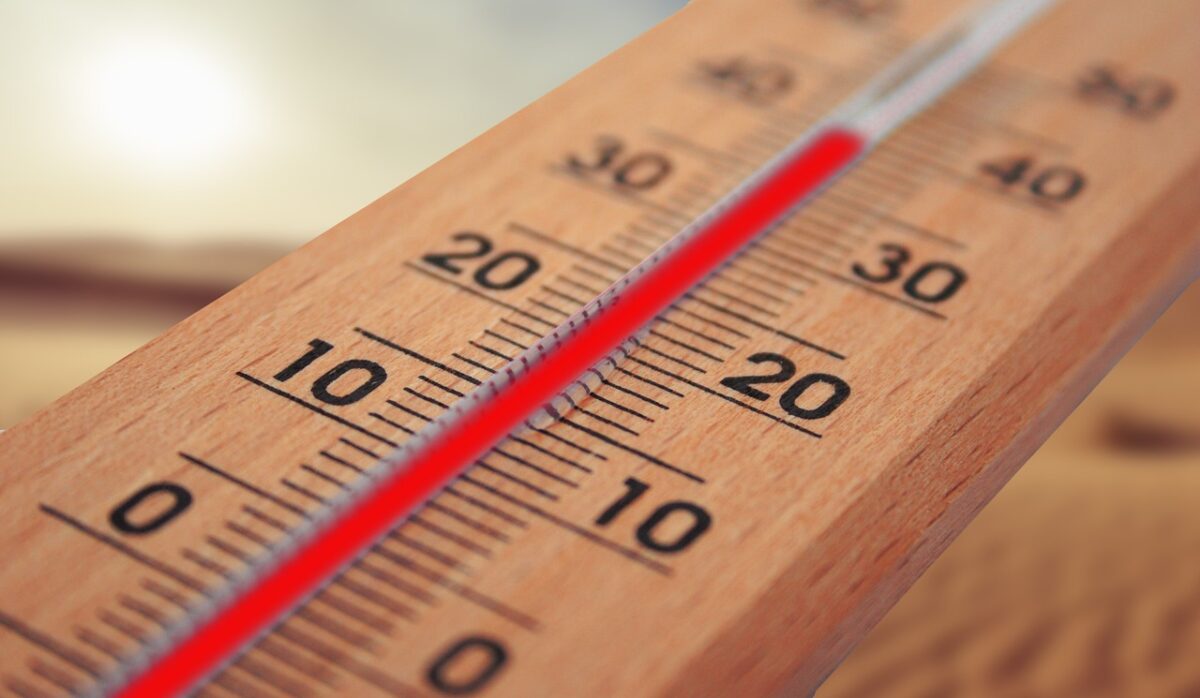
Keeping your hydroponic garden at the right temperature and humidity can make the difference between a thriving harvest and stressed, struggling plants. Plants rely on stable environmental conditions to absorb nutrients efficiently, develop strong roots, and grow vigorously. Too much heat or too little humidity can slow growth, while excessive moisture can invite mold or…

What is Coco Coir? Coco coir is a natural growing medium made from the fibrous husks of coconuts. It’s widely used in hydroponics as a soil substitute because it holds water well, provides excellent aeration, and is pH-neutral to slightly acidic—ideal for a variety of crops. Coco coir is renewable, sustainable, and a popular…
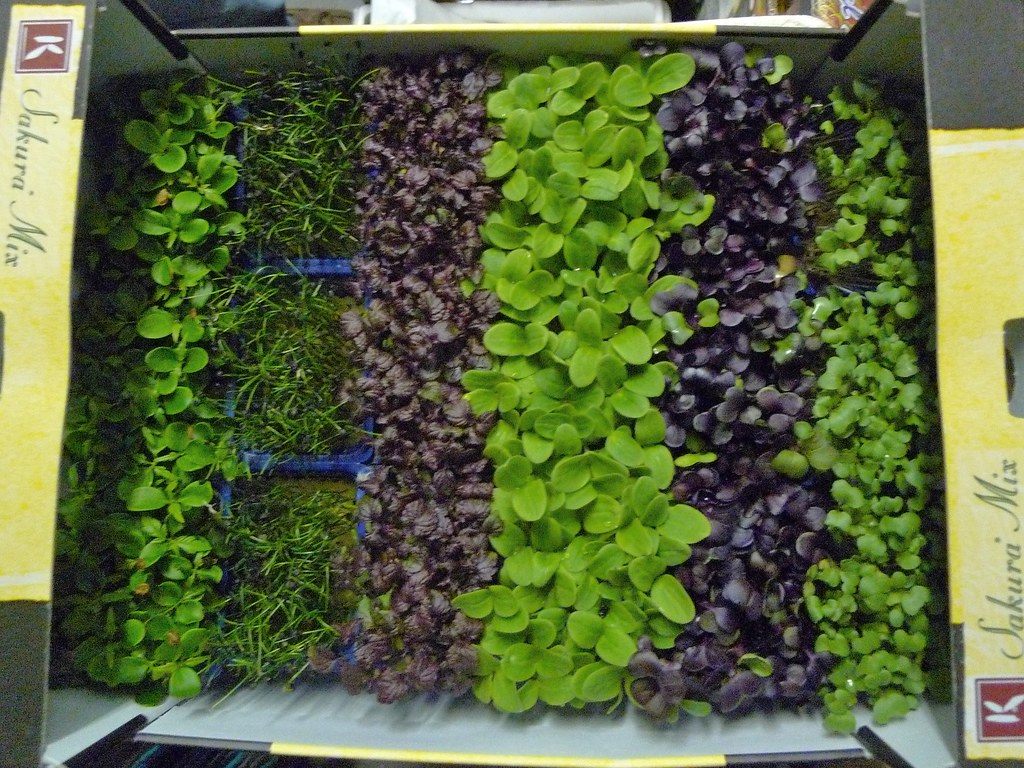
Leafy greens and microgreens are the backbone of many hydroponic gardens. They grow fast, stay compact, and reward you with consistent harvests. For beginners, they often deliver the highest success rate. For experienced growers, they offer reliable production with minimal overhead. This guide breaks down the best systems, lighting, nutrient targets, and practical steps for…