
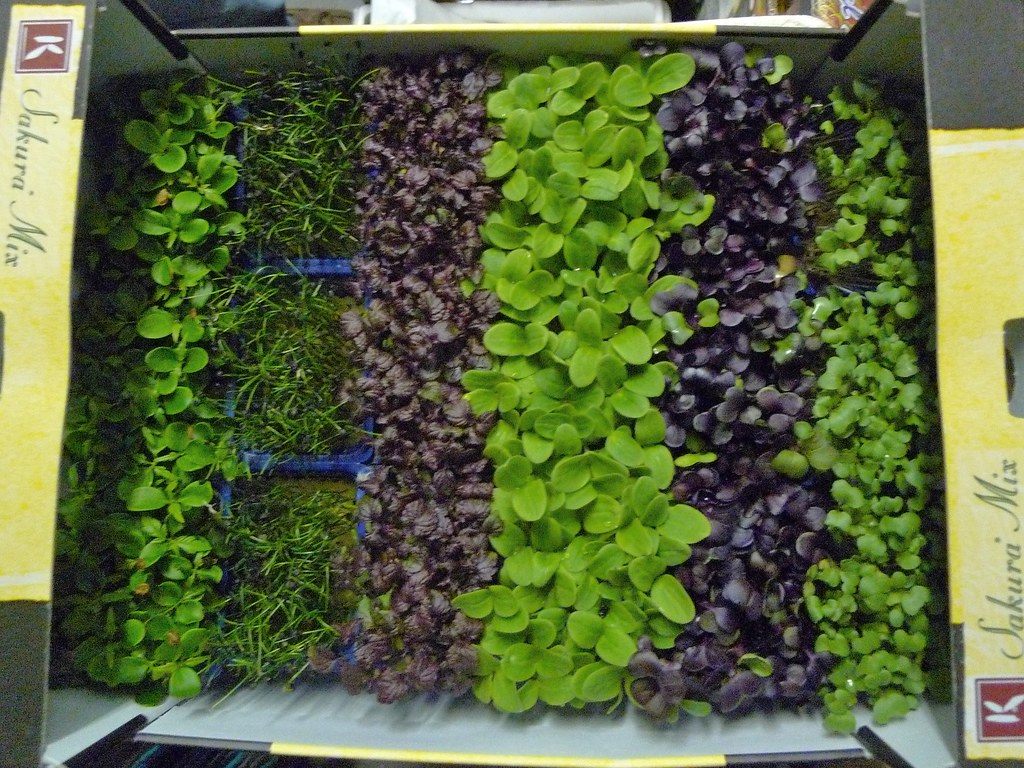
Leafy greens and microgreens are the backbone of many hydroponic gardens. They grow fast, stay compact, and reward you with consistent harvests. For beginners, they often deliver the highest success rate. For experienced growers, they offer reliable production with minimal overhead. This guide breaks down the best systems, lighting, nutrient targets, and practical steps for keeping these crops healthy from start to finish.
Why Leafy Greens and Microgreens Thrive in Hydroponics
These plants naturally grow shallow root systems and do not demand heavy nutrient loads. They respond quickly to adjustments and recover from small mistakes better than most other crops. Because they spend all their energy growing leaves instead of fruit, they are ideal for low heat lighting and compact environments.
Learn More about Plants <Here
Best Hydroponic Systems for Leafy Greens
Deep Water Culture
A simple choice for home growers. Greens stay stable in the reservoir and roots receive constant oxygen. Works well for lettuce, chard, kale, and similar crops.
See our other post: Deep Water Culture in Hydroponics
Nutrient Film Technique
Excellent for lighter crops with smaller root systems. The flowing water keeps nutrients fresh and oxygenated. This method produces consistent quality and is easy to scale.
Ebb and Flow Trays
Reliable for mixed plantings. Flood cycles cool roots and reset oxygen levels. Suitable for larger leafy varieties such as bok choy or large head lettuces.
Vertical Rack Systems
Used for commercial leafy production. Stacked channels or trays free up floor space and increase harvest density.
Lighting Requirements
Leafy greens do not require intense lighting. Their ideal light range prevents tip burn, heat stress, and nutrient uptake fluctuations.
| Crop Type | Daily Light Hours | Suggested Light Level |
| Greens | 12–16 hours | Moderate brightness |
| Microgreens | 12–14 hours | Low to moderate brightness |
Cool running lights such as fluorescents and modern LEDs work well. Strong lighting is not required for leafy development but can speed growth slightly when temperatures remain stable.
Ideal Nutrient Strengths
Greens and microgreens benefit from mild feeding. Excess nutrients usually show quickly as dark green leaves with burnt tips.
| Plant Type | PPM Range |
| Lettuce and leafy greens | 350–500 |
| Herbs grown as greens | 300–450 |
| Microgreens | 100–250 |
pH and Temperature Targets
- pH range: 5.8 to 6.2
- Water temperature: 62 to 70 F
- Air temperature: 65 to 75 F
These values keep nutrient uptake stable. Temperature swings create leaf issues that look similar to nutrient burn or deficiencies, so stable water temperature is important.
Best Crops for Leafy Production
- Lettuce varieties including romaine, butterhead, loose leaf
- Kale and Swiss chard
- Bok choy and tatsoi
- Arugula
- Basil grown as a leafy crop in early stages
Microgreens That Perform Well
- Broccoli
- Radish
- Mustard
- Sunflower (larger trays required)
- Pea shoots
- Kohlrabi
- Cabbage blends
Growing Microgreens Step by Step
1. Prepare trays
Use shallow trays with drainage holes. Line with a thin layer of inert medium such as coco mat or a fine mesh liner.
2. Sow seeds evenly
Dense planting is normal. Aim for complete seed coverage without overlapping piles.
3. Keep dark for the first two days
This triggers strong root development and results in upright stems.
4. Introduce light early
Once sprouted, move under mild light and avoid strong direct beams.
5. Harvest early
Most microgreens finish in seven to fourteen days. Harvest by cutting above the liner to avoid any root material.
Troubleshooting Leafy Greens and Microgreens
Slow growth
- Water is too warm
- Lighting too weak
- Insufficient oxygen in DWC systems
Leaf burn or yellowing
- Excessive nutrients
- Uneven lighting or high heat
- pH drift outside safe range
Leggy microgreens
- Light placed too high
- Overcrowded trays
- Too many days spent in darkness during early germination
Final Thoughts
Leafy greens and microgreens offer predictable growth, short turnaround times, and low requirements. Because they only need modest lighting and mild nutrient levels, they fit into nearly any hydroponic setup. For new growers they are the easiest entry point into hydroponic gardening. For experienced growers they are steady, dependable crops that can be harvested year round.