
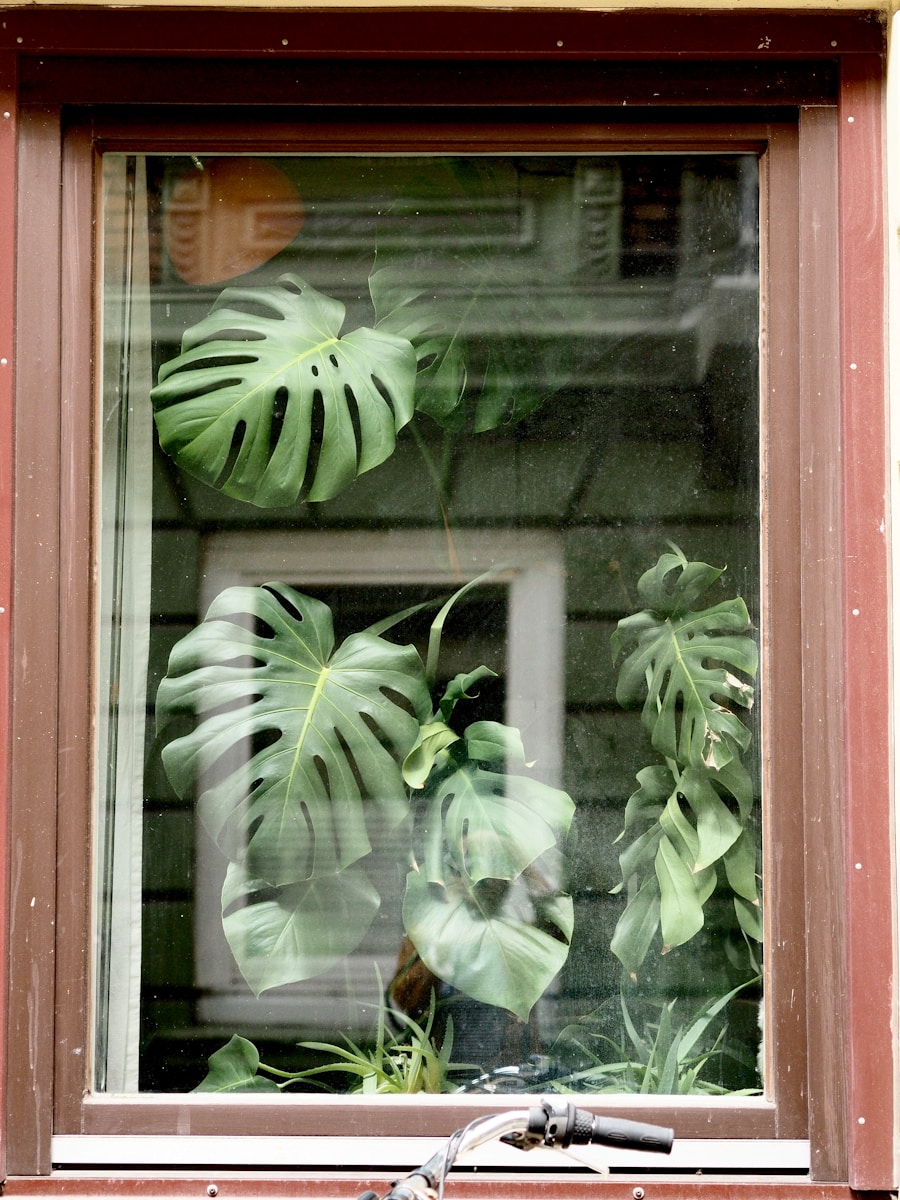
Not everyone has a spare room or a balcony for indoor gardening, but that doesn’t mean hydroponics is out of reach. Even a tiny apartment can host a thriving microgreens or herb setup using countertops, windowsills, or other underutilized spaces. With a little planning, the right containers, and careful system selection, beginners can enjoy year-round fresh produce without needing a dedicated gardening space.
Choosing the Right System for Small Spaces
Space-efficient hydroponic systems are key. For countertops and windowsills, consider:
| System Type | Typical Size | Advantages | Disadvantages |
|---|---|---|---|
| Kratky Tray | 1–2 ft wide, 6–8 inches deep | No pump required, low maintenance | Limited water volume, manual monitoring |
| Small DWC (Deep Water Culture) | 12–24 inch trays | Continuous nutrient solution, ideal for leafy greens | Needs occasional monitoring, small leaks can be messy |
| Mini NFT / PVC Channels | 2–3 ft long, 4–6 inches wide | Continuous flow, fast growth, scalable | Requires a small pump and proper leveling |
Choose a system that fits your space and maintenance preferences. Lightweight materials and compact designs help keep things manageable in tight areas.
For very tight spaces, a compact, automated system like the LetPot Max can make countertop or windowsill gardening even easier. Its small footprint fits neatly in confined areas, while automated water and nutrient delivery plus app-based monitoring reduce the daily hands-on maintenance. Even during short business trips or busy weeks, you can keep your microgreens and herbs healthy without constantly checking the system.
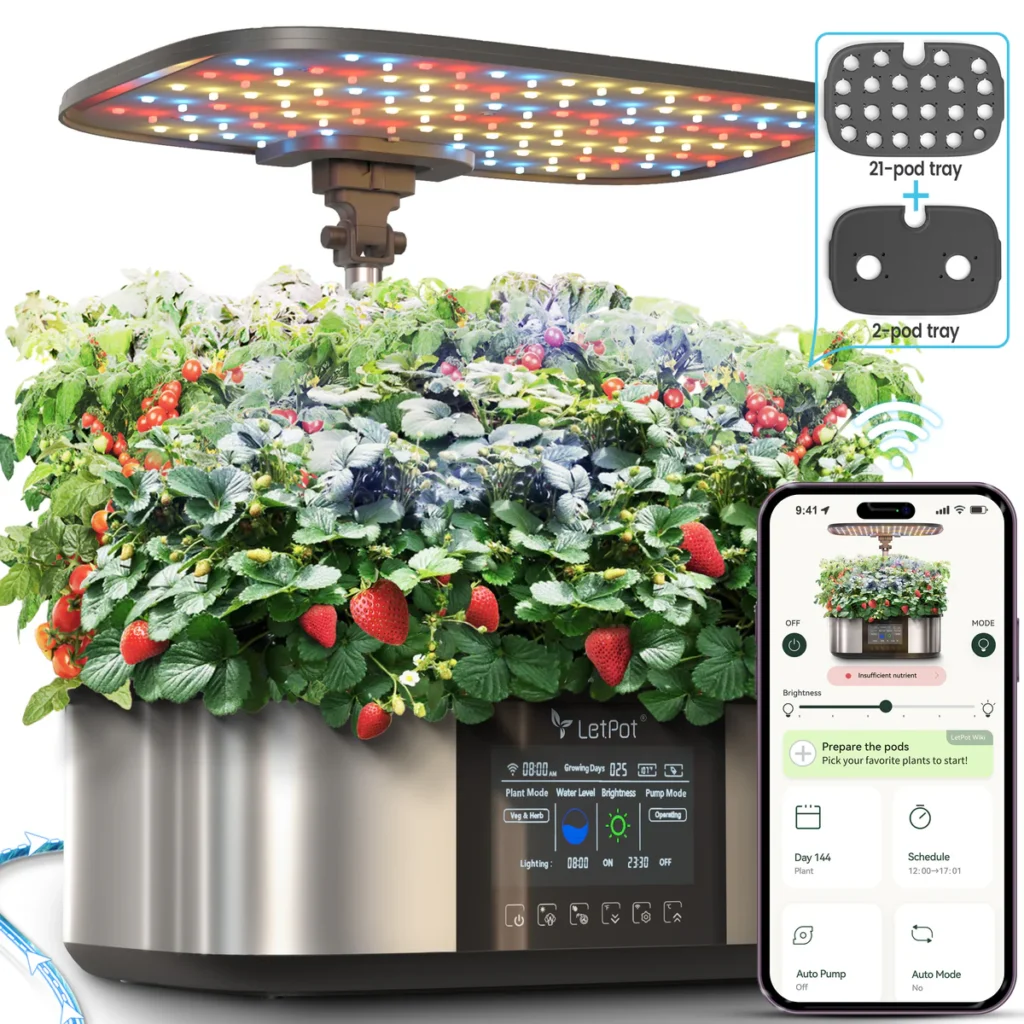
LetPot Max
- Auto Care & Nutrition: Automated water & nutrient delivery for steady, healthy growth.
- Capacity & Light: 21 pods + 36 W full-spectrum LED.
- Smart Control: Touchscreen + mobile app for easy monitoring.
Purchasing through this link supports the site at no extra cost.
Check out: Deep Water Culture in Hydroponics
Placement and Lighting Tips
Windowsills provide natural light, but don’t rely on them exclusively. If sunlight is inconsistent, supplement with compact LED grow lights. Place systems where they won’t block daily activity, and consider elevating them slightly to protect counters from water spills. Rotating plants occasionally ensures even growth and prevents leaves from leaning toward the light.
Water, Nutrients, and Maintenance
Even small systems need consistent monitoring. Keep nutrient solution levels steady, check pH regularly if possible, and change water every 1–2 weeks. Clean reservoirs and trays periodically to prevent algae buildup. Because you’re in a small space, spills can spread quickly, so always have a tray or waterproof mat underneath and use a small funnel when adding water or nutrients.
Tips for Maximizing Limited Space
– Stackable shelves can hold multiple systems vertically
– Use small modular containers for microgreens and herbs
– Label plants and rotate trays to optimize light and airflow
– Keep tools and nutrients nearby but out of reach of pets or children
See: Ventilation & Airflow in Indoor Hydroponic Gardens
These adjustments help even the tiniest countertop feel like a productive mini-garden.
Frequently Asked Questions
Can I grow hydroponics on a windowsill year-round?
Yes, as long as there’s enough light. During darker months, supplement with LED grow lights to maintain growth and yield.
Do I need special permission from my landlord?
Most small indoor setups don’t require permission, but always check your lease for water or electrical restrictions. Use portable, non-damaging systems to stay compliant.
Which plants grow best in small countertop systems?
Microgreens, herbs like basil and cilantro, and leafy greens such as lettuce and spinach are ideal for compact systems.
How often should I monitor small hydroponic setups?
Check water and nutrient levels at least 2–3 times per week, and perform a thorough cleaning and water change every 1–2 weeks.
Can I stack multiple systems in a small apartment?
Yes — using vertical shelves or tiered racks can maximize light exposure and save space while keeping systems manageable.