Herbs are an ideal category for indoor hydroponic growing because they are generally compact, fast-growing, and highly rewarding. Unlike fruiting plants, most herbs do not require extensive pollination or high light intensity, making them perfect for beginners and experienced growers alike. This guide covers the best herbs for hydroponics, system choices, nutrient management, environmental considerations, and common troubleshooting tips.
Popular Hydroponic Herbs
Some herbs thrive particularly well in hydroponic setups due to their growth habits and nutrient requirements. Recommended varieties include:
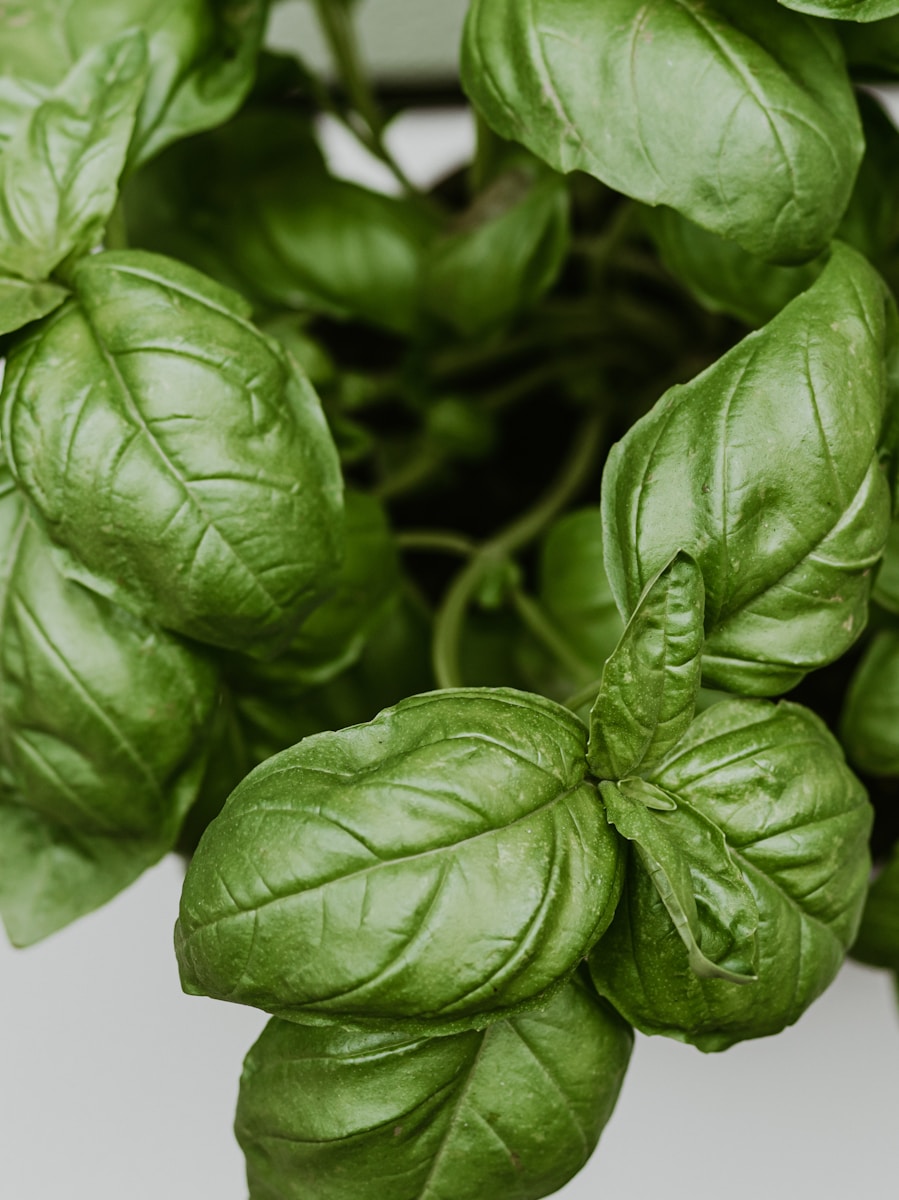
- Basil: Fast-growing, flavorful, and ideal for DWC or NFT systems. Requires consistent warmth and moderate humidity.
- Mint: Vigorous grower, best grown in a separate system to avoid crowding other herbs.
- Cilantro: Prefers cooler temperatures and moderate light; harvest regularly to encourage new growth.
- Parsley: Tolerates a range of conditions; grows well in NFT or small DWC setups.
- Thyme and Oregano: Slower-growing, require good airflow and moderate nutrients.
For general plant guidance, see our Plants page and Best Beginner Plants for Hydroponic Gardening post.
Hydroponic Systems for Herbs
Herbs are versatile and adapt well to several hydroponic systems, including:
- Deep Water Culture (DWC): Provides constant nutrient-rich water for robust growth. Best for larger herbs like basil and parsley. Reference: Deep Water Culture in Hydroponics.
- NFT (Nutrient Film Technique): Ideal for small-leaf herbs like cilantro, parsley, and thyme. Allows continuous nutrient flow over roots. Reference: NFT Systems: Complete Guide.
- Ebb & Flow / Flood & Drain: Suitable for mixed herb gardens; provides intermittent nutrient delivery to prevent waterlogging. See Ebb & Flow / Flood & Drain Systems.
For a full overview of hydroponic systems, visit the Hydroponic Systems pillar page.
Nutrient Requirements for Herbs
Herbs generally require balanced nutrients with moderate nitrogen for leafy growth, lower phosphorus and potassium compared to fruiting plants, and careful pH management (5.5–6.5). The table below shows approximate N-P-K ratios:
| Herb | N-P-K Ratio | Notes |
|---|---|---|
| Basil | 3-1-2 | Requires frequent harvesting to encourage bushy growth. |
| Mint | 2-1-2 | Fast grower; can become invasive, keep in separate containers. |
| Cilantro | 2-1-3 | Harvest leaves regularly; prefers cooler temperatures. |
| Parsley | 3-1-2 | Slow starter; maintain consistent water and nutrients. |
| Thyme / Oregano | 2-1-2 | Moderate nutrients and good airflow prevent mold. |
Monitor pH and EC regularly. See Common Water Problems & Fixes for guidance.
Lighting and Environmental Considerations
Most herbs prefer moderate light intensity and shorter photoperiods compared to fruiting plants:
- Light Intensity: 200–400 µmol/m²/s PPFD is sufficient for leafy herbs.
- Light Duration: 14–16 hours per day during vegetative growth.
- Temperature: 65–75°F for most herbs; cilantro prefers slightly cooler conditions.
- Humidity: 50–70% relative humidity to prevent fungal issues.
Check out Complete Guide to LED Hydroponic Grow Lights and Airflow & Heat Management for Grow Lights for detailed light setup advice.
Harvesting and Maintenance Tips
- Harvest leaves regularly to promote bushy growth and prevent flowering too early.
- Prune stems to control size and encourage new shoots.
- Clean systems and check for algae to maintain nutrient availability.
- Separate invasive herbs (like mint) to avoid crowding slower growers.
Common Issues and Troubleshooting
| Problem | Cause | Solution |
|---|---|---|
| Yellowing Leaves | Nitrogen deficiency or overwatering | Adjust nutrient solution, check pH, ensure proper oxygenation |
| Leggy Growth | Insufficient light | Increase light intensity or adjust light height |
| Fungal Issues | High humidity or poor airflow | Improve ventilation, lower humidity, prune crowded areas |
For more troubleshooting, see Mistakes That Kill Plants and Disease & Mold Prevention.
Q&A Section
Q: Can I grow multiple herbs in the same system?
A: Yes, as long as nutrient requirements and growth rates are compatible. Mint may need a separate container due to its vigor.
Q: How often should I adjust the nutrient solution?
A: Check EC and pH weekly; herbs are sensitive to over-fertilization.
Q: Do herbs need pollination indoors?
A: Most leafy herbs do not require pollination. Flowering herbs grown for seeds may need hand pollination.
Q: Which herbs are best for beginners?
A: Basil, parsley, and mint are forgiving and fast-growing, making them ideal for new hydroponic gardeners.
For foundational hydroponic knowledge, see What Is Hydroponics.