
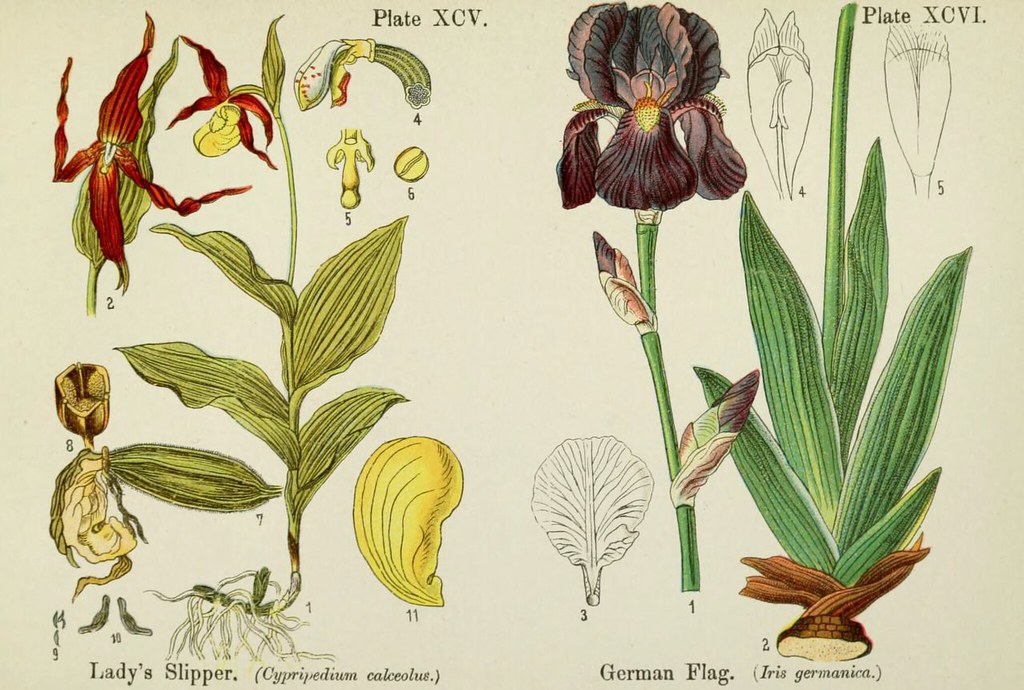
Flowering Plants for Hydroponics are a rewarding choice for indoor gardeners, offering vibrant blooms and a variety of growth experiences. Many flowering species can thrive indoors when provided with proper lighting, nutrients, and environmental conditions. This guide covers popular flowering plants for hydroponics, system selection, nutrient management, environmental needs, maintenance tips, and troubleshooting strategies.
Popular Hydroponic Flowering Plants
Several flowering plants perform exceptionally well in hydroponic systems, especially those with manageable sizes and relatively simple nutrient needs:
- Orchids: Require high humidity, bright indirect light, and careful nutrient management. Ideal for NFT or small DWC setups.
- Peace Lilies: Hardy, low-maintenance, and adaptable to NFT or ebb & flow systems.
- Geraniums: Fast-growing, colorful, and thrive in DWC or ebb & flow systems with consistent nutrients.
- Petunias: Compact and ideal for beginners; benefit from strong lighting and moderate nutrient solutions.
- Anthuriums: Tropical plants with striking flowers; require warm temperatures and well-oxygenated nutrient solutions.
For general plant guidance, see our Plants page and Best Beginner Plants for Hydroponic Gardening post.
Other Flowering Plants of Interest
In addition to common ornamental flowers, some hydroponic growers explore other flowering plants that may be of interest:
- Cannabis: A flowering plant commonly grown hydroponically. Requires specialized lighting, nutrients, and environmental conditions. This mention is informational only; readers should follow all local regulations.
- Lavender: Fragrant and attractive, lavender thrives in well-drained systems like NFT or ebb & flow, with moderate light and low to moderate nutrients.
- Marigolds: Compact, fast-flowering, and pest-resistant, making them a good companion in mixed hydroponic gardens.
- Chrysanthemums: Long-lasting blooms that prefer consistent nutrients and moderate light levels.
Hydroponic Systems for Flowering Plants
Flowering plants often require stable nutrient delivery and moderate root space. Common systems include:
- Deep Water Culture (DWC): Provides constant oxygen and nutrient-rich water, ideal for larger flowering plants. See Deep Water Culture in Hydroponics.
- NFT (Nutrient Film Technique): Works well for smaller flowering plants like orchids and petunias. Reference: NFT Systems: Complete Guide.
- Ebb & Flow / Flood & Drain: Suitable for mixed flower gardens; provides intermittent nutrient delivery, reducing waterlogging risk. See Ebb & Flow / Flood & Drain Systems.
For a full breakdown of hydroponic systems, visit the Hydroponic Systems pillar page.
Nutrient Requirements for Flowering Plants
Flowering plants need moderate nitrogen for healthy leaves, higher phosphorus for flower production, and adequate potassium for overall growth. The following table shows common N-P-K ratios for popular indoor flowering plants:
| Plant | Vegetative N-P-K | Flowering N-P-K | Notes |
|---|---|---|---|
| Orchids | 2-1-2 | 1-3-2 | Maintain high humidity; avoid waterlogged roots. |
| Peace Lilies | 3-1-2 | 2-3-2 | Ensure consistent moisture; sensitive to fluoride in water. |
| Geraniums | 3-1-2 | 2-3-3 | Regular pruning encourages more blooms. |
| Petunias | 3-1-2 | 1-3-2 | Provide high light intensity for maximum flower color. |
| Anthuriums | 2-1-2 | 1-3-3 | Tropical conditions required; avoid cold drafts. |
Monitor pH and EC regularly. See Common Water Problems & Fixes for guidance.
Lighting and Environmental Considerations
Flowering plants require appropriate light intensity, photoperiods, and environmental control to maximize blooms:
- Light Intensity: 300–600 µmol/m²/s depending on plant type; orchids prefer moderate, indirect light.
- Photoperiod: 12–16 hours of light for vegetative growth; shorter day-length or specific flowering triggers may be required for certain species.
- Temperature: Generally 65–75°F for most indoor flowering plants; tropical species may need warmer conditions.
- Humidity: Maintain 50–70% relative humidity; orchids prefer up to 80%.
- Airflow: Prevent fungal issues and strengthen stems. Reference: Ventilation & Airflow.
Check Complete Guide to LED Hydroponic Grow Lights for recommended lighting setups.
Maintenance and Care Tips
- Prune spent flowers to encourage new blooms and prevent disease.
- Rotate plants for even light exposure.
- Clean nutrient reservoirs regularly to prevent algae and pathogens.
- Use trellises or supports for taller flowering plants like geraniums or anthuriums.
Common Issues and Troubleshooting
| Problem | Cause | Solution |
|---|---|---|
| Bud Drop | Temperature stress or sudden light changes | Maintain stable temperature and consistent light cycles |
| Yellowing Leaves | Nutrient imbalance, overwatering, or low light | Adjust nutrients, monitor pH, and provide adequate light |
| Fungal or Mold Issues | High humidity or poor airflow | Increase ventilation, reduce humidity, prune crowded areas |
For more troubleshooting strategies, see Mistakes That Kill Plants and Disease & Mold Prevention.
Q&A Section
Q: Can I mix flowering plants with herbs or fruiting plants?
A: Yes, as long as environmental and nutrient requirements are compatible. Monitor growth rates and nutrient needs carefully.
Q: How often should I prune flowering plants?
A: Remove spent flowers weekly to encourage new blooms and prevent disease.
Q: Which flowering plants are best for beginners?
A: Peace lilies, petunias, and geraniums are forgiving and adaptable to hydroponic systems.
Q: Do flowering plants require pollination indoors?
A: Most ornamental flowering plants do not require pollination unless you want to harvest seeds.
For foundational hydroponic knowledge, see What Is Hydroponics.