Setting up a hydroponic garden begins with a fundamental decision: should you build your system yourself or purchase a pre-built kit? Both approaches have unique benefits and challenges. Understanding these can help you design a system that matches your space, budget, and experience level.
DIY Hydroponic Systems: Building Your Own
DIY hydroponic systems provide the ultimate customization. You can design a setup that perfectly fits your grow space, plant selection, and growth goals. For example, a small apartment might benefit from a vertical tower system with custom irrigation, while a larger grow room could support a multi-tiered Ebb & Flow or NFT setup. Builders can use accessible materials such as PVC pipes, net pots, reservoirs, and pumps, which allows flexibility and encourages creative problem-solving.
However, DIY systems demand careful planning. Poorly designed water flow, inadequate oxygenation, or improper pump placement can lead to root rot, uneven growth, or total system failure. Attention to detail is critical—understanding flow rates, reservoir sizes, and misting schedules is necessary to avoid mistakes. While upfront costs may be lower, they can increase with unexpected material needs, tools, or replacements. The time investment is also significant, as trial-and-error is often part of the process.
For those new to hydroponics, a DIY system can serve as a hands-on learning experience. It teaches the fundamentals of nutrient delivery, water monitoring, and environmental control. You can experiment with different system types, including Ebb & Flow, NFT, or DWC, modifying the setup to best fit your space and plants.
Pre-Built Hydroponic Systems: Convenience and Reliability
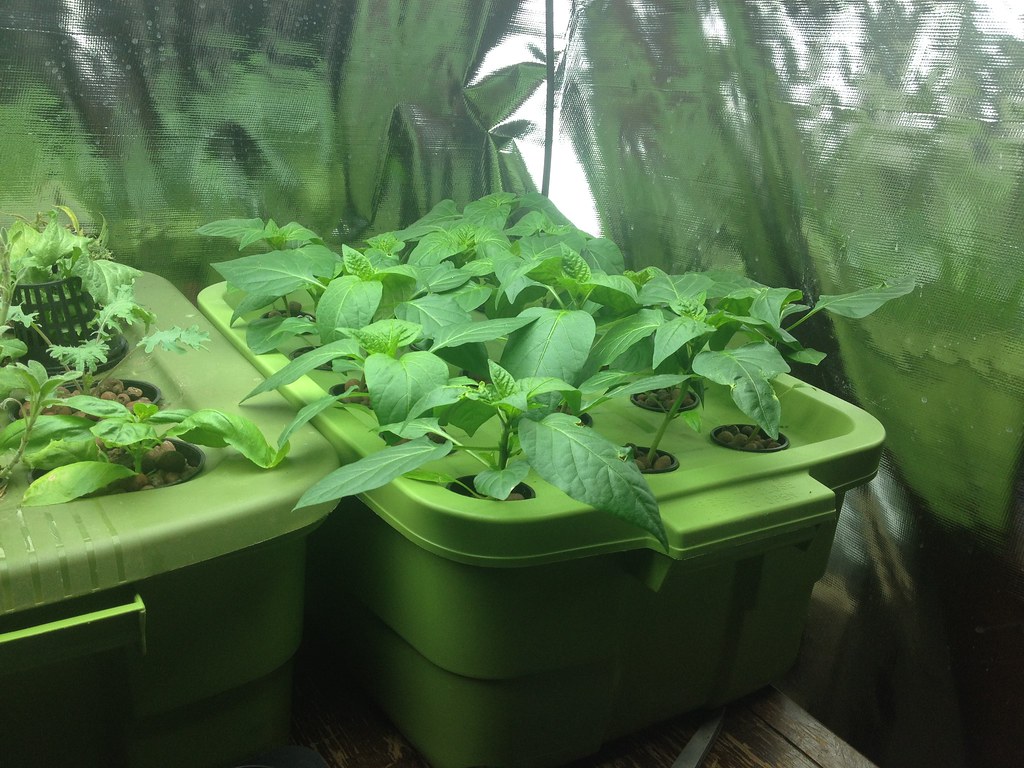
Pre-built systems provide convenience, reliability, and a faster path to harvest. These turnkey kits often include fully assembled reservoirs, pumps, timers, and sometimes grow lights. Automation features allow you to focus on plant health and nutrient management rather than assembly and troubleshooting.
While pre-built systems reduce setup errors, they are less flexible. Sizes and configurations are fixed, which may not perfectly match your available space. Higher-quality kits often come with higher upfront costs, but these expenses are offset by reduced mistakes, easier maintenance, and included support or warranties.
For beginner growers, pre-built systems are particularly advantageous. They allow new hydroponic gardeners to gain confidence and learn essential practices without the risk of critical setup errors. Features like integrated lighting, water pumps, and aeration systems simplify the learning curve, letting growers focus on understanding plant growth and nutrient management.
Hybrid Approaches: The Best of Both Worlds
Some growers combine DIY and pre-built systems for a hybrid approach. This allows the convenience of pre-assembled frameworks while enabling customization for lighting, CO₂ enrichment, or nutrient automation. For example, a grower might start with a pre-built compact system and later expand it with DIY nutrient lines, additional reservoirs, or alternate mediums like Coco Coir or Rockwool support collars.
Comparing DIY and Pre-Built Systems
| Criteria | DIY Systems | Pre-Built Systems |
|---|---|---|
| Customization | High; design everything to fit your space and plants | Limited; pre-set sizes and layouts |
| Cost | Variable; materials may be cheaper but hidden costs add up | Higher upfront; includes all essential components |
| Complexity | High; requires planning and technical understanding | Low; designed for easy setup and operation |
| Maintenance | Flexible; easy to modify components | Moderate; some parts may require manufacturer-specific replacements |
| Learning Experience | Hands-on; teaches system design and troubleshooting | Good for beginners; focuses on plant growth and nutrient management |
| Scalability | High; can expand or alter design as needed | Moderate; some kits allow expansions, but limited by manufacturer design |
| System Types Compatibility | Ebb & Flow, DWC, NFT, Aeroponics | Mostly Ebb & Flow, DWC; some advanced Aeroponics kits |
Cost and Time Considerations
DIY systems require time and planning. A small NFT or Ebb & Flow system can take several days to construct, test, and optimize. Costs for PVC, pumps, reservoirs, timers, and medium can be lower than pre-built kits, but mistakes or replacements increase expenses. Pre-built systems save setup time, reduce errors, and often include support, but cost more upfront. Growers must weigh time, skill, and reliability against initial expenses.
Maintenance and Troubleshooting
Regardless of your choice, ongoing maintenance is crucial. Monitor pump operation, nutrient solution pH, EC, and root health regularly. DIY systems may require more frequent adjustments, especially after modifications. Pre-built systems usually include easy-to-access reservoirs and integrated timers, but you still need to watch for clogging, algae growth, or uneven nutrient distribution.
Summary
Choosing between DIY and pre-built hydroponic systems depends on your goals, experience, space, and budget. DIY systems excel in customization, flexibility, and learning opportunities but require careful planning and technical skill. Pre-built systems offer convenience, reliability, and support, making them ideal for beginners or those seeking a low-risk setup. Hybrid approaches allow combining the strengths of both.
For further guidance on specific system types, check our detailed guides on Ebb & Flow, NFT, DWC, and Aeroponics.
Questions & Answers
Q: Which is better for beginners, DIY or pre-built?
A: Pre-built systems are generally easier and less prone to setup errors, making them ideal for beginners.
Q: Can DIY systems be scaled up?
A: Yes, DIY setups are highly flexible and can be expanded or modified as your space and goals change.
Q: Do pre-built systems allow customization?
A: Some kits allow adding lighting, extra tiers, or CO₂ enrichment, but major modifications are limited.
Q: How do costs compare?
A: DIY may cost less initially but can become expensive with trial-and-error; pre-built systems cost more upfront but reduce errors and save time.
Q: Which system type works best with DIY or pre-built setups?
A: Ebb & Flow, DWC, NFT, and Aeroponics can all be adapted to either DIY or pre-built formats, but complex systems like Aeroponics often benefit from professional kits.