Category: Foundation
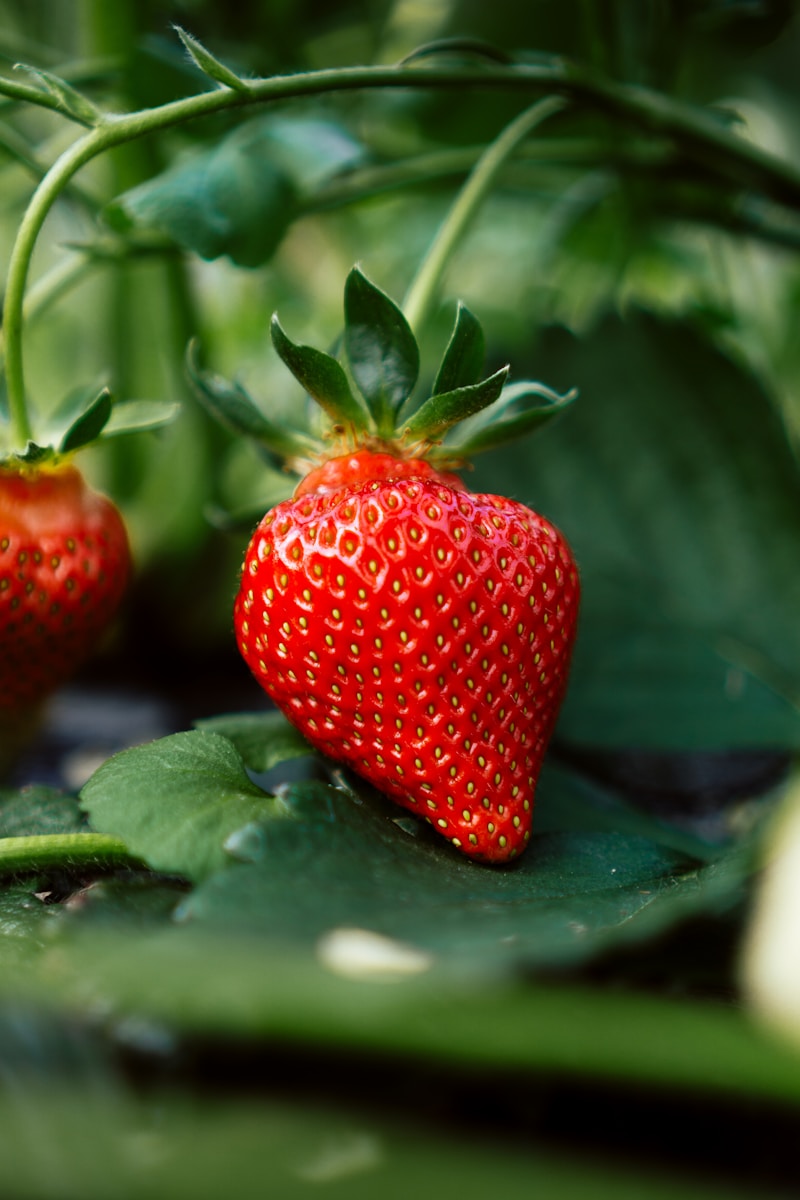
Fruiting plants are a rewarding yet more demanding category for hydroponic growers. Unlike leafy greens or microgreens, fruiting plants such as tomatoes, peppers, and strawberries require precise nutrient management, light schedules, and environmental control to produce high yields and flavorful fruit. This guide will walk you through the essential factors for successfully growing fruiting plants…

Growing plants hydroponically offers incredible speed and control, but it also creates conditions where diseases and molds can thrive if you’re not careful. Preventing these issues requires understanding how pathogens develop, maintaining ideal environmental conditions, and monitoring plant health closely. For beginners, start with the What Is Hydroponics post for foundational knowledge. For more in-depth…

Hydroponic growing gives you precise control over your plants’ environment, but water and nutrients can still cause major issues if not managed correctly. From pH imbalances to nutrient deficiencies, even experienced growers run into common challenges that stunt growth, reduce yields, or harm plant health. This guide covers the essential strategies, common problems, and verified…

Choosing the right nutrient source is one of the most important decisions for hydroponic growers. While both organic and synthetic nutrients can support healthy growth, understanding the differences, benefits, and limitations of each approach ensures optimal plant performance and efficient use of your hydroponic system. For a deeper overview of water and nutrient management in…

Proper nutrient management is the backbone of successful hydroponic gardening. Plants in a hydroponic system rely entirely on the nutrients you provide, so understanding when and how to feed them at different growth stages can make the difference between a thriving garden and a disappointing harvest. Understanding Plant Growth Stages Hydroponic plants go through distinct…

Not everyone has a dedicated grow room, spare basement, or large tent. Many hydroponic growers start in apartments, spare closets, kitchens, or even on a windowsill. Compact hydroponic systems exist for this exact reason. With the right approach, small spaces can still produce healthy plants, steady yields, and reliable results. Small space hydroponics focuses…

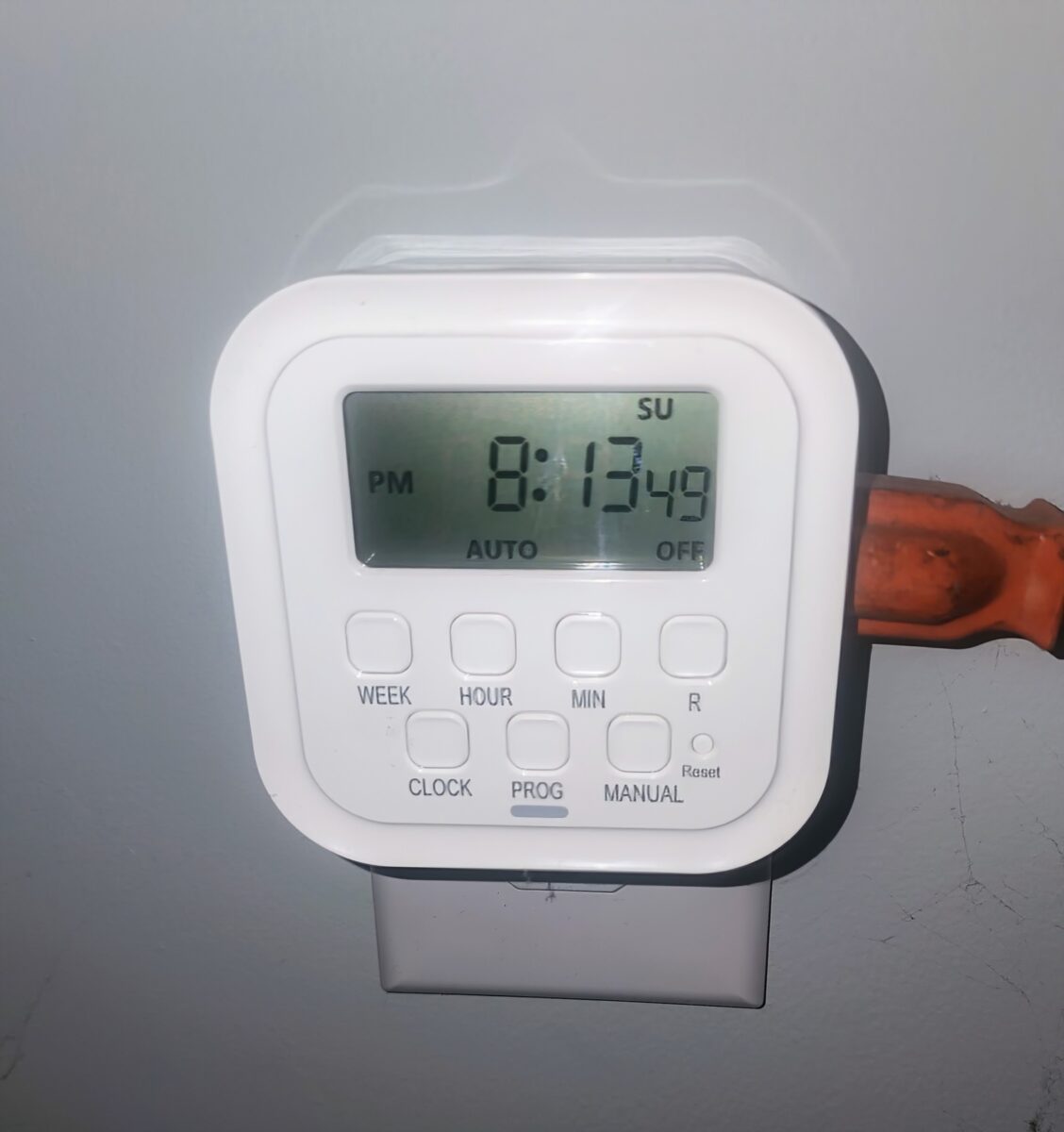
Proper light scheduling is one of the most important factors for successful hydroponic growth. Plants rely on light not just for photosynthesis but also to trigger specific growth stages. In indoor hydroponic gardens, controlling the duration and intensity of light can dramatically influence plant health, yield, and flowering. Understanding Photoperiods in Hydroponics Plants respond to…

Maintaining proper airflow and heat around your hydroponic grow lights is essential for healthy plant growth, consistent yields, and preventing common problems like mold, pests, or nutrient stress. Each type of grow light produces different amounts of heat, interacts differently with the environment, and requires specific strategies to keep your garden thriving. This guide explores…

Light is the engine that drives plant growth, and in hydroponics it becomes even more critical because plants rely entirely on controlled conditions. While artificial grow lights dominate most indoor setups, natural sunlight and proper light schedules still play an important role in many hydroponic gardens. Understanding how sunlight behaves, how plants respond to light…

Not all hydroponic systems rely on traditional growing mediums. In water-only and Deep Water Culture (DWC) systems, plant roots spend most or all of their time submerged in a nutrient-rich solution. Because of this, the role of a “growing medium” changes significantly. Instead of providing nutrients or water retention, substrates in these systems are mainly…