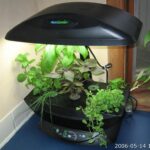
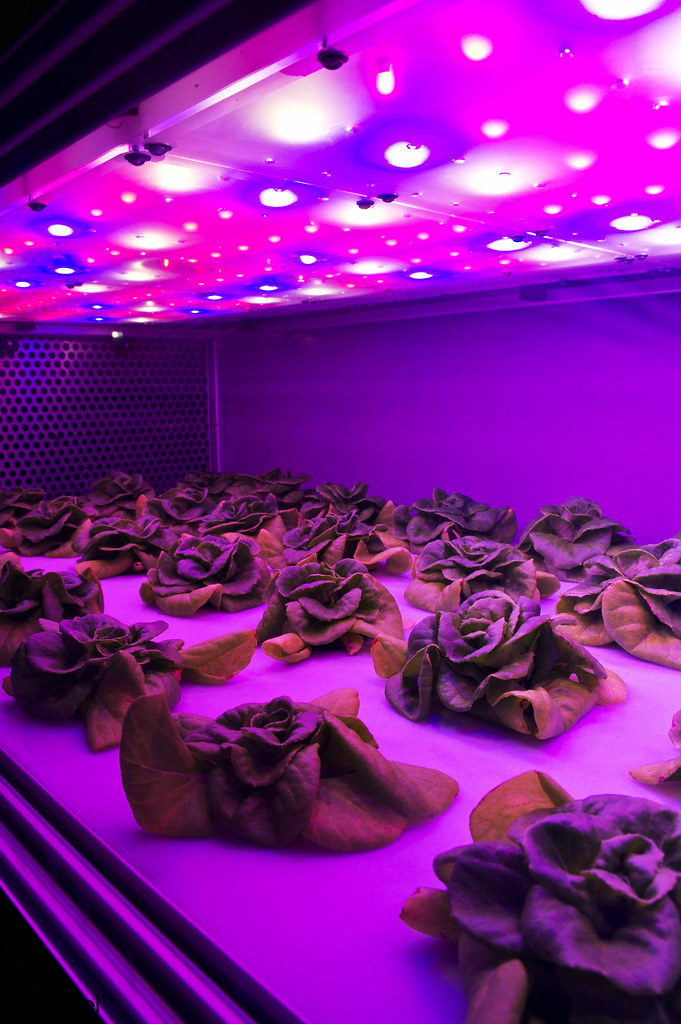
Aeroponics is one of the most innovative hydroponic systems available, allowing plants to grow with their roots suspended in air and periodically misted with nutrient-rich water. This method maximizes oxygen exposure to the roots, which can accelerate growth, increase yields, and improve nutrient absorption compared to traditional hydroponic systems like Ebb & Flow or DWC.
For an overview of hydroponic systems, check our Hydroponic Systems page. You may also want to review NFT and DWC systems to compare approaches.
How Aeroponics Works
In an aeroponic system, plant roots are suspended in a chamber where they are regularly misted with a fine spray of nutrient solution. The key elements include:
- Root chamber: A closed container that holds the roots suspended in air.
- Misting system: High-pressure nozzles or low-pressure drip mist that delivers nutrients.
- Reservoir: Stores the nutrient solution.
- Pump and timer/controller: Automates misting cycles.
- Lights and environment control: Maintains optimal conditions for photosynthesis and growth.
Optimal Growth Conditions
| Parameter | Recommended Range | Notes |
|---|---|---|
| Root chamber RH | 65–75% | Prevents roots from drying out between mists |
| Temperature | 65–78°F (18–25°C) | Air and nutrient solution temperatures should be consistent |
| Mist frequency | Every 5–15 minutes | Adjust based on plant size and growth stage |
| Solution pH | 5.5–6.5 | Check daily for stability |
| EC / PPM | Vegetative: 0.8–1.2 / Flowering: 1.2–1.8 | Depends on plant species and stage |
Benefits of Aeroponics
- Maximum oxygenation: Roots are exposed to more oxygen, which encourages rapid growth.
- Efficient nutrient use: Fine mist ensures even nutrient coverage and minimal waste.
- Space-saving: Vertical designs and suspended roots make it ideal for small grow spaces.
- Faster growth: Plants often mature 30–50% faster than in conventional hydroponics.
- Early disease detection: Exposed roots allow easy monitoring for rot or nutrient issues.
Challenges and Considerations
- Pump or nozzle failure: Roots can dry out quickly; backups and redundancy are recommended.
- Complex setup: High-pressure misting requires precise equipment and maintenance.
- Cost: Aeroponics is typically more expensive than Ebb & Flow or DWC.
- Environmental sensitivity: Requires stable temperature, humidity, and nutrient solution.
Tips for Small Space Aeroponics
- Consider low-pressure systems if high-pressure equipment is too costly.
- Stackable towers save floor space while maintaining root exposure.
- Monitor nutrient solution closely; small reservoirs heat faster.
- Use timers to maintain misting cycles without manual intervention.
- Keep the system clean to prevent algae and root disease.
Comparison with Other Hydroponic Systems
| System | Pros | Cons |
|---|---|---|
| Aeroponics | Maximum oxygenation, fast growth, easy root monitoring | Expensive, complex setup, pump/nozzle sensitive |
| Ebb & Flow | Simple, versatile, low-cost | Less oxygenation, pump-dependent, medium sensitive |
| DWC | Continuous nutrient access, simple design | Constant root submersion, oxygen critical |
Maintenance & Monitoring
- Check pumps and nozzles daily to ensure consistent misting.
- Maintain nutrient solution temperature and pH.
- Flush the system weekly to prevent residue buildup.
- Inspect roots regularly for signs of stress or disease.
- Adjust mist frequency as plants grow larger.
Summary
Aeroponics provides a highly efficient, oxygen-rich environment for hydroponic plants, ideal for growers seeking maximum growth in limited space. While it requires careful monitoring and higher initial investment, the faster growth rates and increased yields often justify the effort. Beginners can start with compact low-pressure systems, while experienced growers may implement high-pressure misting with automation. Always compare with systems like NFT and DWC to determine which method best suits your space and goals.
Questions & Answers
Q: How often should roots be misted in aeroponics?
A: Typically every 5–15 minutes, depending on plant size, stage, and humidity.
Q: Can aeroponics be used in small apartments?
A: Yes, compact towers or low-pressure systems save space while providing full oxygenation.
Q: What happens if a pump fails?
A: Roots can dry quickly; always have a backup plan or alarms in place.
Q: Is aeroponics more productive than Ebb & Flow?
A: Generally yes, due to higher oxygen exposure and efficient nutrient delivery.
Q: Which medium is best for aeroponics?
A: Medium is optional since roots are suspended, but support collars or net pots often use rockwool or clay pebbles.