
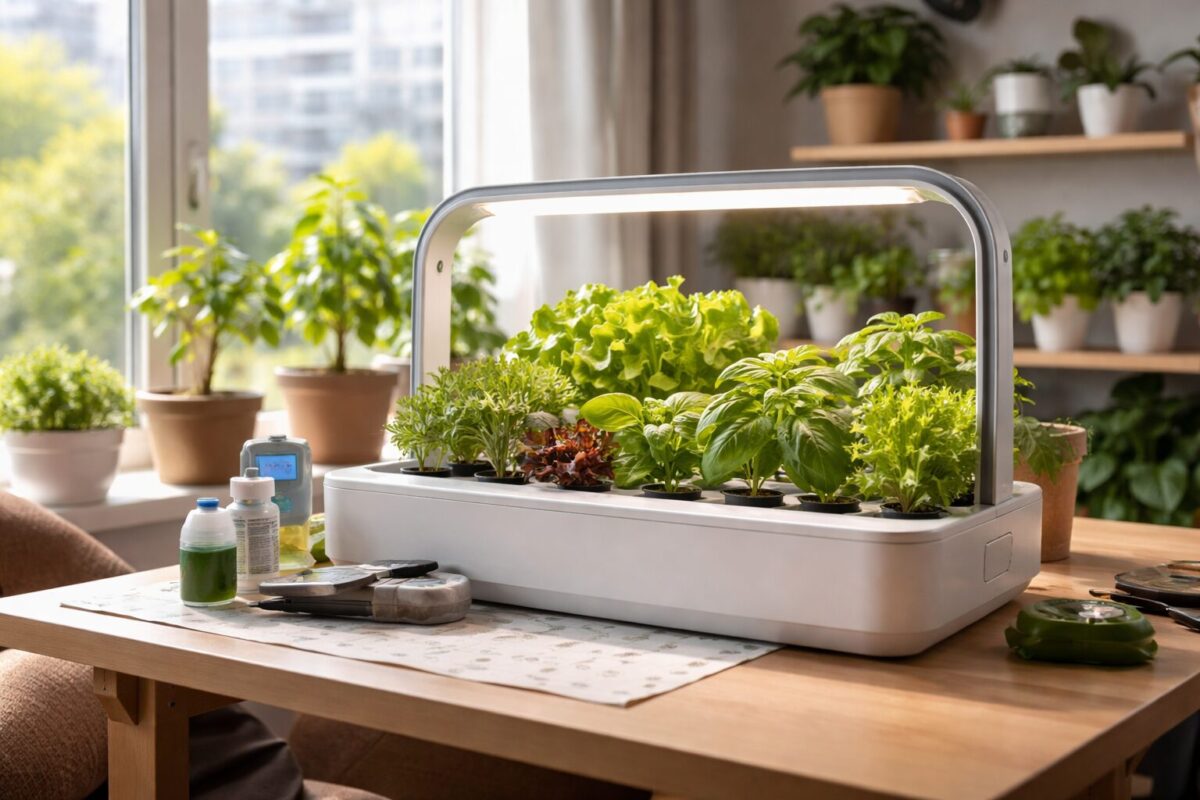
Yes, apartment hydroponic setups fail all the time — but not because renters are careless, lazy, or incapable. They fail because most advice is written for garages, basements, or homeowners with space, power, and tolerance for trial and error. In apartments, the margin for error is thinner. When you account for space limits, electrical reality, noise, heat, and landlord risk, a lot of popular setups simply do not fit real life. The good news is this: failure is predictable, and predictable problems can be designed around.
The Core Problem No One Likes to Say Out Loud
Most hydroponic advice assumes you can “just adjust later.”
In apartments, you usually cannot.
You cannot:
- Drill extra holes
- Add another circuit
- Vent heat wherever you want
- Ignore noise overnight
- Flood a room once and learn from it
That doesn’t make apartment growers fragile. It makes the setup requirements stricter. When a system fails in an apartment, it is usually because the setup was never compatible with the environment, not because the grower did something unreasonable.
Failure Point #1: Too Much System, Too Soon
One of the fastest ways apartment hydroponic setups fail is overbuilding on day one.
Large reservoirs, multi-site systems, stacked grow towers, high-powered lights — these all sound efficient. In practice, they compound risk.
Here is what happens:
- One leak becomes a serious problem
- One pump failure affects everything
- One mistake ruins multiple plants
- Maintenance becomes something you put off instead of handle
In small spaces, simple systems outperform complex ones because they stay manageable when life interrupts you.
What actually works:
- Single-reservoir systems
- Fewer plants, not more
- Designs where every part is visible and reachable
- Systems you can fully drain and clean without moving furniture
If you can’t service the entire system calmly on a weeknight, it’s too big.
Failure Point #2: Underestimating Heat and Humidity
This one catches even careful people.
Lights create heat. Water increases humidity. Apartments trap both.
A setup that runs “cool enough” in a garage can quietly push a bedroom or spare room into constant dampness. That leads to:
- Mold anxiety
- Window condensation
- Uncomfortable sleeping conditions
- Pressure to shut the system down early
What actually works:
- Lower wattage LED lighting matched to plant needs, not max yield
- Fewer light hours instead of more power
- Open-air systems instead of sealed tents when possible
- Accepting slower growth in exchange for stability
In apartments, consistency beats intensity every time.
Failure Point #3: Electrical Reality Checks
Many apartment hydroponic setups fail because the math was never done.
A grow light, air pump, water pump, fan, heater, and timer might each seem small. Together, they can:
- Overload a shared circuit
- Trip breakers unpredictably
- Force you to reroute extension cords
- Create a setup you no longer trust
What actually works:
- One major electrical load per circuit
- Systems that stay well below breaker limits
- Fewer devices running continuously
- Passive solutions before powered ones
If you feel nervous every time you flip the light on, the system is wrong.
Failure Point #4: Noise That Slowly Drives You Crazy
Noise is rarely mentioned honestly in hydroponic guides.
Air pumps hum. Water moves. Fans vibrate. Even “quiet” equipment becomes noticeable at 2 a.m.
In apartments, constant low-level noise:
- Disrupts sleep
- Raises stress
- Makes you resent the setup
- Leads to rushed shutdowns
What actually works:
- Gravity-fed or low-flow systems
- Quality pumps sized correctly, not oversized
- Isolation pads under equipment
- Fewer moving parts overall
Silence is not a luxury in apartments. It is a requirement.
Failure Point #5: Maintenance That Doesn’t Match Real Life
Many apartment hydroponic setups fail slowly.
Not from one mistake, but from missed small tasks:
- Topping off water
- Checking pH
- Cleaning intakes
- Watching roots
When maintenance feels heavy, it gets delayed. Delays compound.
What actually works:
- Smaller reservoirs you can refresh often
- Systems where problems are visible immediately
- Routines that take minutes, not hours
- Designs that tolerate imperfect schedules
If maintenance feels like a chore instead of a habit, the setup won’t last.
Failure Point #6: Ignoring the “Exit Plan”
This is rarely discussed, but it matters.
In apartments, situations change:
- Inspections
- Guests
- Travel
- Lease renewals
- Life stress
A setup without an exit plan becomes a liability.
What actually works:
- Systems that can be shut down quickly
- No permanent modifications
- Modular designs you can break down in an hour
- Plants you can harvest early if needed
Peace of mind is part of sustainability.
What Successful Apartment Hydroponic Setups Have in Common
Across renters, apartments, and small urban spaces, the setups that last share a few traits:
- Conservative electrical use
- Simple water paths
- Low noise
- Manageable scale
- Forgiving maintenance
- Easy shutdown
They are not flashy. They are calm.
And calm systems survive longer than ambitious ones.
A More Useful Way to Think About “Success”
Success in apartment hydroponics is not max yield per square foot.
It is:
- Plants staying alive without stress
- A system you trust to run while you sleep
- Growth that fits your space, schedule, and tolerance
- Confidence instead of constant tweaking
When those conditions are met, yield follows naturally.
Where This Leaves You
If your past setup failed, that does not mean hydroponics “isn’t for you.”
It usually means:
- The system was designed for a different environment
- The advice you followed ignored renter constraints
- The risks were stacked too early
Apartment hydroponics works — but only when the design starts with reality, not aspiration.
If you’re unsure which type of setup actually fits your space, budget, and tolerance level, it’s worth stepping back before buying more gear. Choosing the right scale upfront prevents almost every failure described above.
Not sure which type of hydroponic system actually fits your space?
If you’re feeling stuck between system types or unsure what size makes sense for an apartment, the Hydroponic System Selector Tool can help narrow things down. It’s designed to point you toward realistic setups based on space and use case — whether you’re still deciding or already know what you want and are looking for options.
Looking for deeper guides and reference material?
You can find in-depth articles, general info and growing references in one place on the Resources Page, organized by topic so it’s easier to explore without digging through the blog.