Hydroponics is the practice of growing plants without traditional soil, using nutrient-rich water solutions instead. This innovative method allows gardeners to grow crops efficiently indoors or in controlled environments, often producing faster growth, higher yields, and healthier plants compared to conventional soil gardening.
Learn All about Hydroponics from our Resources Page <Here
How Hydroponics Works
At its core, hydroponics delivers all essential nutrients directly to the plant roots through water. Instead of relying on soil to supply minerals, hydroponic systems carefully measure and maintain nutrients, pH, and water levels, creating an ideal growing environment for a variety of plants.
Key Components of a Hydroponic System
- Growing Medium: While soil isn’t used, plants often need support from inert media such as Rockwool, clay pebbles, perlite, or coco coir.
- Nutrient Solution: Water enriched with essential minerals and nutrients tailored to plant type and growth stage.
- Light: Adequate light, whether natural sunlight or artificial grow lights (LED, MH, HPS), is critical for photosynthesis.
- Water Delivery: Hydroponic systems may use wicks, pumps, or nutrient film techniques to ensure roots receive consistent hydration.
- Air/Oxygen: Oxygenation of water is key—healthy roots need both water and oxygen to thrive.
Benefits of Hydroponics
Hydroponics offers several advantages for gardeners and commercial growers alike:
- Faster Growth: Nutrient solutions are directly accessible to roots, accelerating plant growth.
- Higher Yields: Optimized conditions mean more produce per square foot than traditional soil methods.
- Space Efficiency: Hydroponics can be done in vertical systems, closets, basements, or urban apartments where soil gardening isn’t feasible.
- Water Conservation: Hydroponic systems recycle water, often using up to 90% less water than soil gardening.
- Fewer Pests and Diseases: Growing without soil reduces exposure to soil-borne pests and pathogens.
Types of Hydroponic Systems
There are several popular hydroponic system designs, each with unique advantages:
Nutrient Film Technique (NFT)
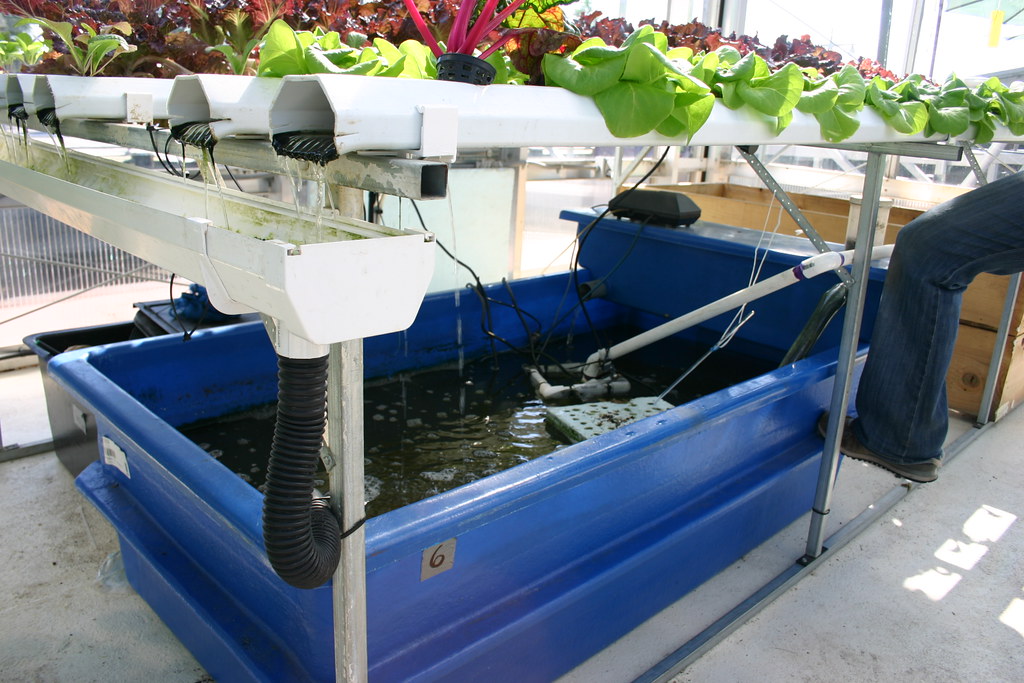
A thin stream of nutrient solution flows over the roots, which are suspended in a channel. Best for small, fast-growing plants like leafy greens.
Deep Water Culture (DWC)
Plants’ roots hang directly in oxygenated nutrient-rich water. Ideal for larger, leafy, or fruiting crops.
Drip Systems
Automated drippers supply nutrient solution to each plant. Great for larger plants and commercial setups, allowing precise water control.
Ebb and Flow (Flood and Drain)
Growing beds are periodically flooded with nutrient solution and then drained. This ensures roots receive water and oxygen at regular intervals.
Wick Systems
Passive hydroponic systems where wicks draw nutrient solution to plant roots. Simple and low-maintenance but better suited for smaller plants.
Common Hydroponic Plants
Many plants thrive in hydroponic setups, especially those that respond well to controlled nutrient and light conditions:
- Leafy greens: Lettuce, spinach, kale, arugula
- Herbs: Basil, mint, parsley, cilantro
- Fruit crops: Tomatoes, peppers, strawberries
- Microgreens: Radish, broccoli, sunflower shoots
Getting Started with Hydroponics
Starting hydroponics requires careful planning, but beginners can start small and scale up:
- Choose a System: Determine which system fits your space and plant goals.
- Select Plants: Start with fast-growing, forgiving crops like leafy greens or herbs. -Start Here
- Provide Light: Ensure sufficient natural light or invest in grow lights if indoors. -Start Here
- Mix Nutrients: Use a hydroponic nutrient formula suitable for your plant type. -Start Here
- Monitor pH and Water Levels: Maintain ideal pH (usually 5.5–6.5) and keep roots properly hydrated. -Start Here
- Observe and Adjust: Monitor plant growth, check for pests, and tweak nutrient ratios as needed. -Start Here
Common Mistakes to Avoid
- Ignoring pH levels – incorrect pH can lock out nutrients.
- Infrequent observation – even hydroponic systems need careful monitoring.
- Poor ventilation – heat and humidity must be controlled for healthy growth.
- Neglecting nutrient balance – plants require all macro- and micro-nutrients in proper amounts.
Conclusion
Hydroponics is a highly efficient, space-saving, and productive way to grow plants without soil. By understanding the key components, benefits, system types, and common mistakes, you can create a thriving hydroponic garden in virtually any indoor or controlled environment. Whether you’re growing fresh greens in your kitchen or running a larger indoor farm, hydroponics gives you full control over plant growth and maximizes yields while conserving resources.
Interested in finding which hydroponic system fits your space and goals? Try our Hydroponic System Selector tool below!