
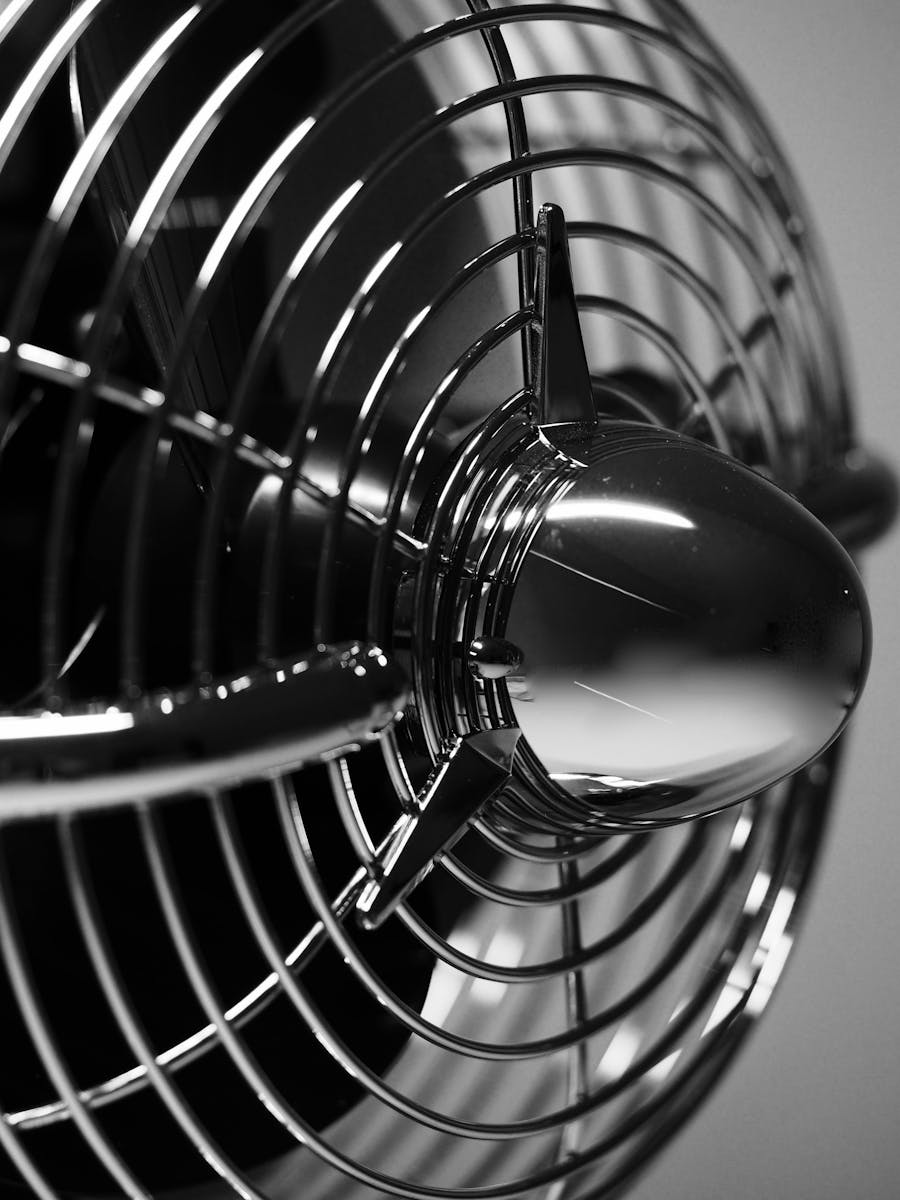
Proper ventilation and airflow is one of the most critical but often overlooked components of a hydroponic setup. Air isn’t just about keeping your space cool — it distributes CO₂, regulates humidity, strengthens stems, and prevents mold, mildew, and stagnant pockets that stress plants.
Learn More about Plant Environments <Here
Why Airflow Matters
- Strengthens Plants: Moving air encourages thicker stems and stronger branches.
- Distributes CO₂: Even airflow ensures CO₂ is available to all leaves for optimal photosynthesis.
- Controls Temperature: Prevents hot spots under lights, especially in high-wattage HID or LED setups.
- Reduces Humidity Risks: Helps prevent mold, powdery mildew, and other moisture-related issues.
- Improves Nutrient Uptake: Even temperature and humidity mean roots can operate efficiently in hydro systems.
Types of Airflow in Hydroponics
Horizontal Circulation
Fans blowing across the canopy create uniform air movement. Horizontal airflow prevents pockets of stagnant CO₂ and heat.
See our post: CO² Enrichment
Vertical Circulation
Air moving from floor to ceiling ensures temperature layering doesn’t occur. Heat rises naturally, so a vertical airflow system helps balance temperatures throughout the room.
Exhaust-Driven Airflow
Intake and exhaust fans move fresh air in and push hot, stale air out. This is critical in sealed grow tents or rooms to maintain optimal CO₂ and humidity levels.
Choosing Fans and Placement
Fans are the heart of circulation. Consider:
- Oscillating Fans: Distribute air without blowing directly on plants. Ideal for canopy-wide movement.
- Clip-On Fans: Small, directional fans for targeted airflow, especially in tight spots or smaller tents.
- Inline Fans: Connect to ducting for controlled intake/exhaust. Often paired with carbon filters for odor management.
Fan Placement Tips
- Position fans to create gentle cross-currents, not high-speed blasts that stress leaves.
- Keep at canopy height for best air circulation across leaves.
- Rotate fans or adjust angles every few weeks as the canopy grows.
Humidity and Temperature Management
Airflow directly impacts RH (relative humidity) and temperature:
| Issue | Impact | Airflow Solution |
|---|---|---|
| High humidity & mold risk | Powdery mildew, root rot, leaf diseases | Increase horizontal circulation, add intake/exhaust fans, maintain gentle breeze across leaves |
| Temperature hotspots | Heat stress, slowed growth, leaf curl | Use vertical airflow, circulate air around lights, adjust fan angles |
| Stale CO₂ zones | Lower photosynthesis efficiency, uneven growth | Ensure intake brings fresh air, use oscillating fans to distribute CO₂ |
Common Mistakes in Airflow Setup
- Fans blowing directly on plants constantly — stress and drying.
- Insufficient horizontal airflow — leaves in corners stagnate, increasing disease risk.
- Exhaust only without proper intake — negative pressure can slow CO₂ replenishment.
- No vertical circulation — heat builds at the canopy top, lower leaves underperform.
- Ignoring noise and vibration — fans too close to structures can vibrate and stress plants.
Troubleshooting Tips
- Leaves curl or dry unevenly → adjust fan strength and angle.
- Lower canopy yellowing → check stagnant zones, add more circulation.
- High RH in tent → add exhaust fan or open vents, increase horizontal airflow.
- Heat spikes → raise fans, improve vertical air movement, or reduce light intensity temporarily.
Internal Linking Opportunities for Long-Tail Posts
- Best oscillating fans for hydroponic gardens → link to detailed fan reviews
- Calculating proper intake/exhaust CFM → leads naturally to ducting & exhaust pillar
- DIY small-tent airflow hacks → useful for beginners and small growers
- Humidity management strategies → connects to water & nutrient pillars
Final Thoughts
Good ventilation and airflow are the unsung heroes of indoor hydroponics. Even if you have perfect nutrients, lights, and water, stagnant or poorly circulated air will stunt growth, reduce yields, and increase risk of disease. Focus first on creating even horizontal and vertical circulation, supplement with intake/exhaust fans as needed, and always monitor temperature and RH. A few strategically placed fans can pay off more than increasing wattage or adding extra lights.