Light isn’t just brightness — it’s a range of wavelengths that plants respond to very differently. For hydroponic growers, knowing the usable light spectrum and how it affects plant physiology is essential to maximizing growth, optimizing energy use, and selecting the right lighting solutions. This article breaks down the science of light for plants, explains how different spectrum bands impact plant life stages, connects spectrum to common grow light technologies, and shows why wattage alone doesn’t tell the full story. For more on plant types and growth habits, see our Plants page.
What Is Light Spectrum?
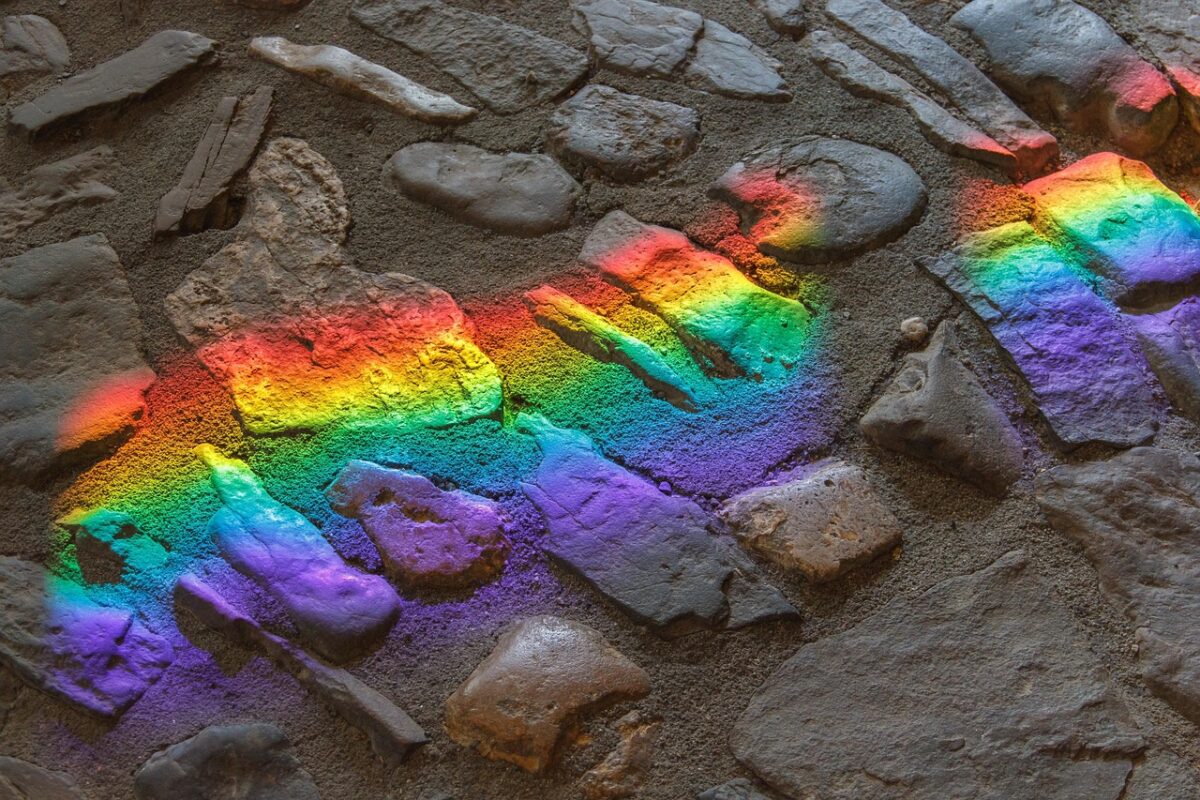
Visible light is a portion of the electromagnetic spectrum that human eyes can see — roughly 380 nm to 780 nm. Plants, however, can absorb and use light both within and just outside this range. Light is measured in nanometers (nm), and each wavelength corresponds to a “color” or energy band.
Light beyond the visible range includes:
- Ultraviolet (UV): ~100–380 nm (invisible)
- Visible Spectrum: 380–780 nm
- Far-red & Infrared (IR): ~700–1,000+ nm (invisible)
Plants don’t use every wavelength equally — some are more effective at driving photosynthesis and other growth processes than others. Understanding this variation is key to optimizing your hydroponic lighting strategy.
Usable Spectrum for Plants (PAR)
The portion of light that plants can use for photosynthesis is called Photosynthetically Active Radiation (PAR). PAR spans roughly 400–700 nm and includes colors from violet/blue through green to red. Within PAR, plants respond differently depending on their growth phase:
| Wavelength Range | Color / Band | Plant Use |
|---|---|---|
| 380–450 nm | Violet to Blue | Vegetative growth, leaf development, stomatal opening |
| 450–500 nm | Blue to Cyan | Balanced growth across plant canopy |
| 500–600 nm | Green | Less absorbed, but contributes to canopy penetration |
| 600–700 nm | Orange to Red | Flowering and fruiting, photosynthesis peak |
Notice that blue and red wavelengths are especially significant for plant growth — blue for vegetative structure and red for flowering and fruit production. Green light is less efficiently used for photosynthesis, but it penetrates deeper into the canopy, helping lower leaves contribute to growth.
Invisible Light & Its Role
Light outside the PAR range — such as ultraviolet (UV) and far-red/infrared (FR/IR) — doesn’t drive photosynthesis directly, but it influences plant biology in other ways:
- UV-A / UV-B (100–380 nm): Stimulates protective compounds, leaf thickness, pigmentation, and some defense mechanisms.
- Far-red (700–780 nm): Affects plant morphology by triggering shade avoidance responses — plants may stretch stems in response to higher FR.
- Infrared (>780 nm): Adds heat but isn’t directly used in photosynthesis.
Some advanced LED arrays include controlled amounts of UV and far-red to mimic natural sunlight dynamics and improve plant quality traits such as aroma or branching.
Growth Phases & Spectrum Needs
Plants don’t use the same light spectrum equally throughout their life cycle. Matching spectrum to the growth phase improves efficiency and outcomes:
- Seedling / Cloning: Prefers cooler, higher-blue ratios (400–500 nm) to develop compact, sturdy roots and leaves.
- Vegetative Growth: A balanced spectrum with dominant blue wavelengths encourages leafy growth and strong structure.
- Flowering / Fruiting: Red wavelengths (600–700 nm) become more important to stimulate flowering genes and maximize yields.
Some LED lights allow you to shift the spectrum programmatically as plants move from vegetative to flowering stages, increasing efficiency and tailoring the light recipe for each phase.
Spectrum & Different Lighting Technologies
Grow lights differ significantly in the spectrum they emit. Here’s a detailed comparison:
| Light Type | Spectral Characteristics | Best Use |
|---|---|---|
| LED (Full Spectrum) | Customizable PAR output; can focus on 400–700 nm with optional UV/FAR; minimal energy wasted on heat or non-usable bands | Seedlings to flowering; tunable spectrum for all growth phases; highly energy-efficient |
| Metal Halide (MH) | Heavier in blue wavelengths (~400–500 nm), lower red (~600–700 nm); broad spectrum | Vegetative growth; may need supplemental red for flowering |
| High-Pressure Sodium (HPS) | Strong red/orange (600–700 nm), low blue; emits heat; inefficient in vegetative blue range | Flowering/fruiting; excellent for fruiting plants but not ideal alone for vegetative growth |
| Fluorescent (CFL/T5) | Cool-white has blue dominance; warm-white adds red; low intensity; broad but shallow canopy penetration | Seedlings, clones, herbs; not suited for high-yield flowering without supplementation |
Modern LEDs are built to maximize PAR output. For example, a cheaper 300 W light may emit mostly non-PAR wavelengths, effectively giving 180 W of usable light. A newer 250 W LED designed for plant PAR may deliver nearly all 250 W to usable wavelengths, making it far more efficient.
Why Spectrum Matters More Than Wattage
Wattage indicates electricity use, not usable light for plants. For hydroponics, focus on:
- PPF (Photosynthetic Photon Flux): Total usable photons emitted per second.
- PPFD (Photosynthetic Photon Flux Density): Photon flux per unit area, telling how much usable light reaches leaves.
High PAR efficiency ensures more energy goes directly into plant growth rather than heat or wasted bands.
Beyond the Spectrum: Blue and red wavelengths are only half the battle; the inverse square law of light means every inch you move your light away, you lose massive amounts of energy. To make sure your specific spectrum is actually reaching the canopy, Calculate your Precision Hanging Height based on your light’s actual wattage and your plant’s current growth stage with our interactive tool!
Practical Spectrum Tips for Growers
- Seedlings/clones: blue-rich light for compact, healthy growth.
- Vegetative: balanced spectrum with blue dominance for structure.
- Flowering: red-rich light to stimulate blooms and fruiting.
- Include some green light for canopy penetration and lower leaf photosynthesis.
- Adjust spectrum dynamically with LEDs for maximum efficiency.
Q&A Section
Q: Do plants use green light?
A: Yes, it penetrates deeper into the canopy and aids lower leaves in photosynthesis.
Q: Why do LED lights advertise “full spectrum”?
A: They cover most of the PAR range (400–700 nm), sometimes with UV or far-red for secondary plant benefits. Quality varies by design.
Q: Is more light always better?
A: No — excessive light can cause photoinhibition or stress. Match intensity to plant needs.
Q: How does spectrum affect indoor grow cycles?
A: Blue-rich light supports vegetative growth; red-rich triggers flowering and fruiting.
For detailed LED guidance and setup optimization, see our Complete Guide to LED Hydroponic Grow Lights and review spectral strategies for different plant stages.