
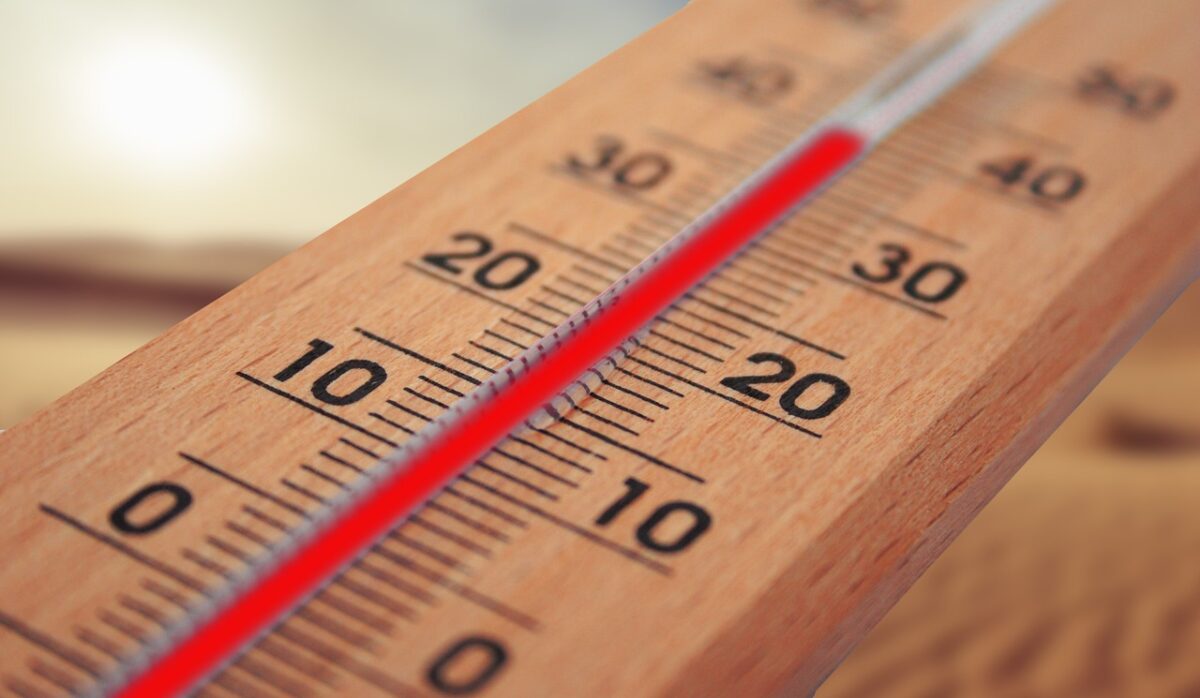
Keeping your hydroponic garden at the right temperature and humidity can make the difference between a thriving harvest and stressed, struggling plants. Plants rely on stable environmental conditions to absorb nutrients efficiently, develop strong roots, and grow vigorously. Too much heat or too little humidity can slow growth, while excessive moisture can invite mold or pests.
Whether you’re just starting out or already running a full grow room, understanding how temperature and humidity affect your plants is crucial. For more on indoor environmental strategies, check out our Environment pillar page.
Why Temperature Matters
Temperature affects photosynthesis, respiration, and root activity. Every stage of growth has an ideal temperature range. Staying within that range ensures plants absorb nutrients efficiently and avoid stress.
| Growth Stage | Ideal Temp (°F) | Ideal Temp (°C) | What Happens If Off |
|---|---|---|---|
| Seedlings & Clones | 72–78 | 22–26 | Roots grow slowly if too cold; leaves curl if too hot |
| Vegetative | 70–80 | 21–27 | Strong leaf and stem growth; excessive heat can lock out nutrients |
| Flowering / Fruiting | 65–75 | 18–24 | Ideal sugar and fruit development; too hot reduces quality |
Tips to Keep Temps Stable
- Place thermometers at the canopy and root zone for accurate readings.
- Use heaters or air conditioning to maintain steady temperatures.
- In shallow trays, shade roots or increase water flow to prevent heat stress.
- Fans help circulate air and even out temperature across the canopy.
Humidity and Plant Health
Relative humidity (RH) affects how plants transpire, take up nutrients, and resist disease. Too low RH can dry plants out, while too high can encourage mold or mildew.
| Stage | Recommended RH (%) | Risks if Off | Adjustment Tips |
|---|---|---|---|
| Seedlings & Clones | 65–75 | Slow root growth if too dry; mold if too wet | Use a propagation dome or small humidifier, plus gentle airflow |
| Vegetative | 50–70 | Leaf curling, reduced growth | Adjust vents and fans; check daily |
| Flowering / Fruiting | 40–50 | Bud rot or mildew if too humid; drying if too low | Use dehumidifiers and fans; avoid overcrowding |
Humidity Overview
| Stage | Seedlings & Clones | Vegetative | Flowering / Fruiting |
|---|---|---|---|
| RH (%) | 70 | 60 | 45 |
Tools for Temperature & Humidity Control
- Fans & Ventilation (Ventilation & Airflow) – Moves air to prevent hot spots and moisture buildup.
- Heaters / AC units – Keep your grow space within target temperature ranges.
- Humidifiers / Dehumidifiers – Fine-tune RH depending on the plant stage.
- Thermo-hygrometers – Track temperature and RH at multiple levels.
- Automated controllers – Combine fans, humidifiers, and heaters for hands-off precision.
Placement Tips
- Keep sensors away from direct light or misting to avoid false readings.
- Check both canopy and root zones for accuracy.
- Use data logging to spot patterns and anticipate issues.
- Consider plant density to prevent microclimate hotspots.
Managing Light Heat & CO₂
Lights can raise temperatures in your grow space, especially HPS and MH bulbs. LEDs produce less heat, but in tight tents they can still cause hotspots. Reflective surfaces help distribute light evenly.
- Keep an eye on canopy and root temperatures separately.
- Integrate CO₂ (CO₂ Enrichment) carefully. CO₂ boosts growth but also increases heat and humidity demands.
- Adjust light timers to avoid excess heat during dark periods.
For example, in a 4×4 tent with two strong LEDs, canopy temperature can jump 10–15°F above ambient. Using a small dehumidifier, inline fan, and accurate sensors keeps conditions safe.
Adjusting for Different Systems
- Small tents: Portable fans, mini humidifiers, and thermometers are usually enough.
- Medium to large rooms: Automated climate control, AC, and larger dehumidifiers provide consistent conditions.
- Vertical farms: Watch lower tiers for airflow; ducting helps distribute heat and humidity evenly.
- Plant grouping: Keep plants with similar RH and temperature needs together to avoid stress.
Troubleshooting Environmental Issues
| Problem | Cause | Quick Fix |
|---|---|---|
| Leaves curling | High temperature | Raise lights, increase airflow |
| Wilting | Fluctuating RH | Stabilize RH, check water |
| Bud rot / mildew | High humidity | Ventilate, dehumidify |
| Slow root growth | Low temperature | Gently heat root zone |
| Yellow leaves | Combined temp & RH stress | Adjust environment gradually |
| Stunted growth | Rapid temp/RH swings | Use automated monitoring and logging |
Summary
Keeping temperature and humidity under control is a cornerstone of hydroponic success. Consistent conditions help plants absorb nutrients, grow stronger, and resist disease. Start by monitoring conditions at multiple points, adjust fans, heaters, and humidifiers as needed, and observe your plants for stress signs. Beginners can check out What Is Hydroponics, and growers looking for deeper strategies can reference our Environment pillar page.
- Log temperature and RH daily.
- Keep each growth stage within its ideal range.
- Use fans, reflective surfaces, and proper airflow to prevent hotspots.
- Automate where possible for larger systems.
- Adjust gradually and observe plant responses.
Questions & Answers
Q: How do I measure humidity accurately?
A: Use calibrated thermo-hygrometers at canopy and root levels, and monitor multiple points.
Q: My LEDs are heating the tent. What can I do?
A: Increase airflow, add reflective surfaces, or use a small AC unit.
Q: Can seedlings use the same RH as mature plants?
A: No. Seedlings need 65–75% RH.
Q: What day/night temperature difference is safe?
A: 5–10°F (2–5°C). Larger swings can stress plants.
Q: How to prevent bud rot during flowering?
A: Keep RH below 50%, increase airflow, and avoid overcrowding buds.
Q: Can I use the same setup for compact vs large systems?
A: Adjust equipment scale, but keep RH and temperature within recommended ranges for each growth stage.
Q: Signs of environmental stress?
A: Curling leaves, yellowing, stunted growth, wilting, or mold.