Tag: indoor gardening
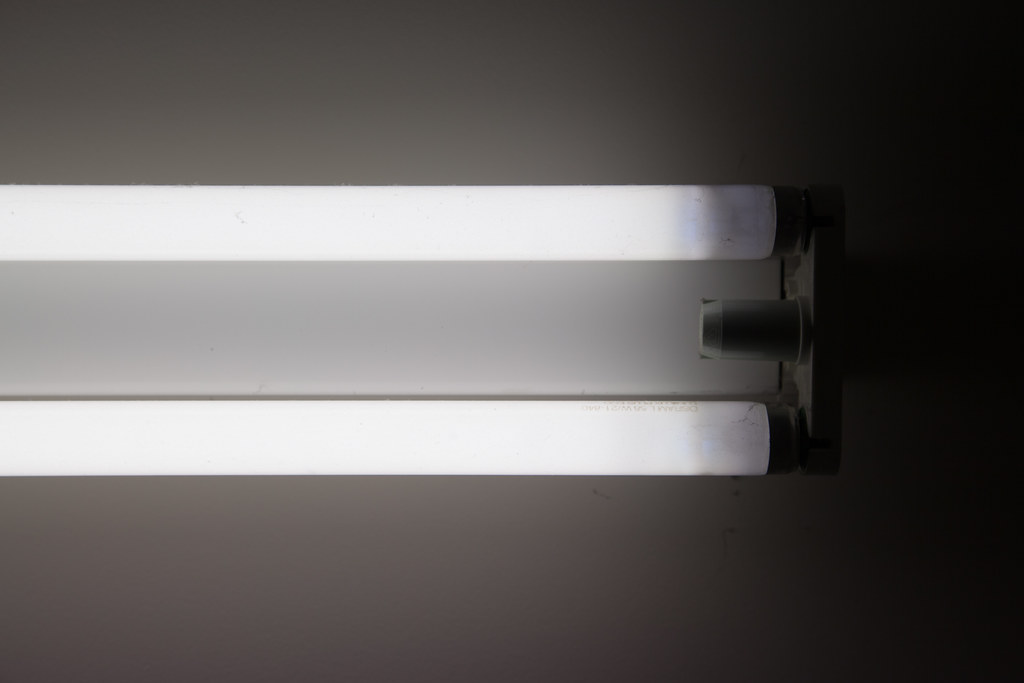
Fluorescent lights aren’t the industry standard anymore, but they haven’t been pushed into extinction. In the right applications, they’re still one of the most reliable, low risk lighting options you can use in a hydroponic garden. They provide even coverage, gentle heat, and a forgiving intensity that’s perfect for growers who need consistency without…

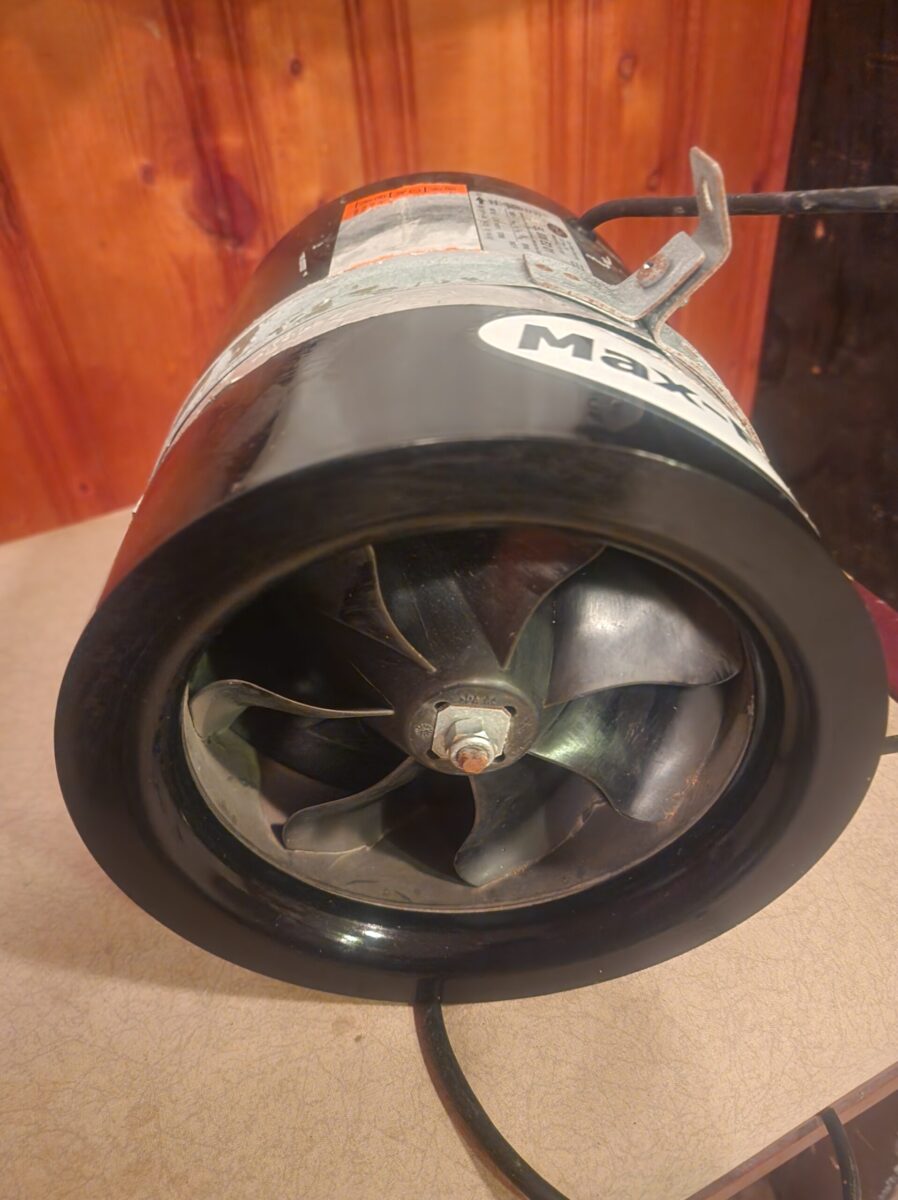
Efficient airflow is critical in hydroponic gardens. Inline ducting and exhaust systems control temperature, humidity, CO₂ distribution, and odor. A properly designed system keeps plants healthy, reduces stress, and ensures even growth across the canopy. Learn More about Environments <Here Pro Tip: Oversize your inline fan slightly to account for carbon filters, duct bends, and…

Proper ventilation and airflow is one of the most critical but often overlooked components of a hydroponic setup. Air isn’t just about keeping your space cool — it distributes CO₂, regulates humidity, strengthens stems, and prevents mold, mildew, and stagnant pockets that stress plants. Learn More about Plant Environments <Here Pro Tip: Good airflow is…

CO₂ enrichment is one of the most powerful environmental tweaks you can make in an indoor hydroponic garden — when it’s done right. This guide explains how CO₂ helps plants, the practical systems people use (from tanks to fermentation), safety and timing, how CO₂ can affect pests, and exactly how to set up and troubleshoot…

Hydroponic gardening comes in many flavors, but one of the most popular for leafy greens and fast-growing plants is the Nutrient Film Technique (NFT). NFT systems are efficient, space-saving, and excellent for beginners and advanced growers alike. This guide explains what NFT systems are, how they work, when they’re a good choice, and practical tips…

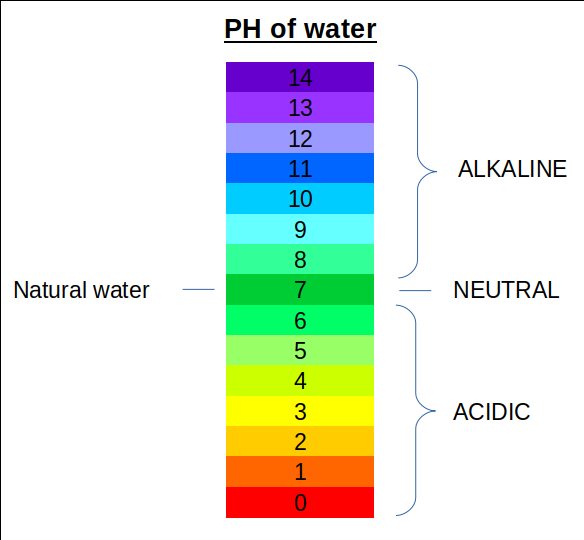
Water quality is one of the most critical factors for a successful hydroponic garden. Even with the right nutrients and lighting, plants can suffer if the pH or nutrient concentration is off. In this guide, we’ll cover how to measure and adjust pH and PPM (parts per million) to keep your hydroponic plants healthy and…

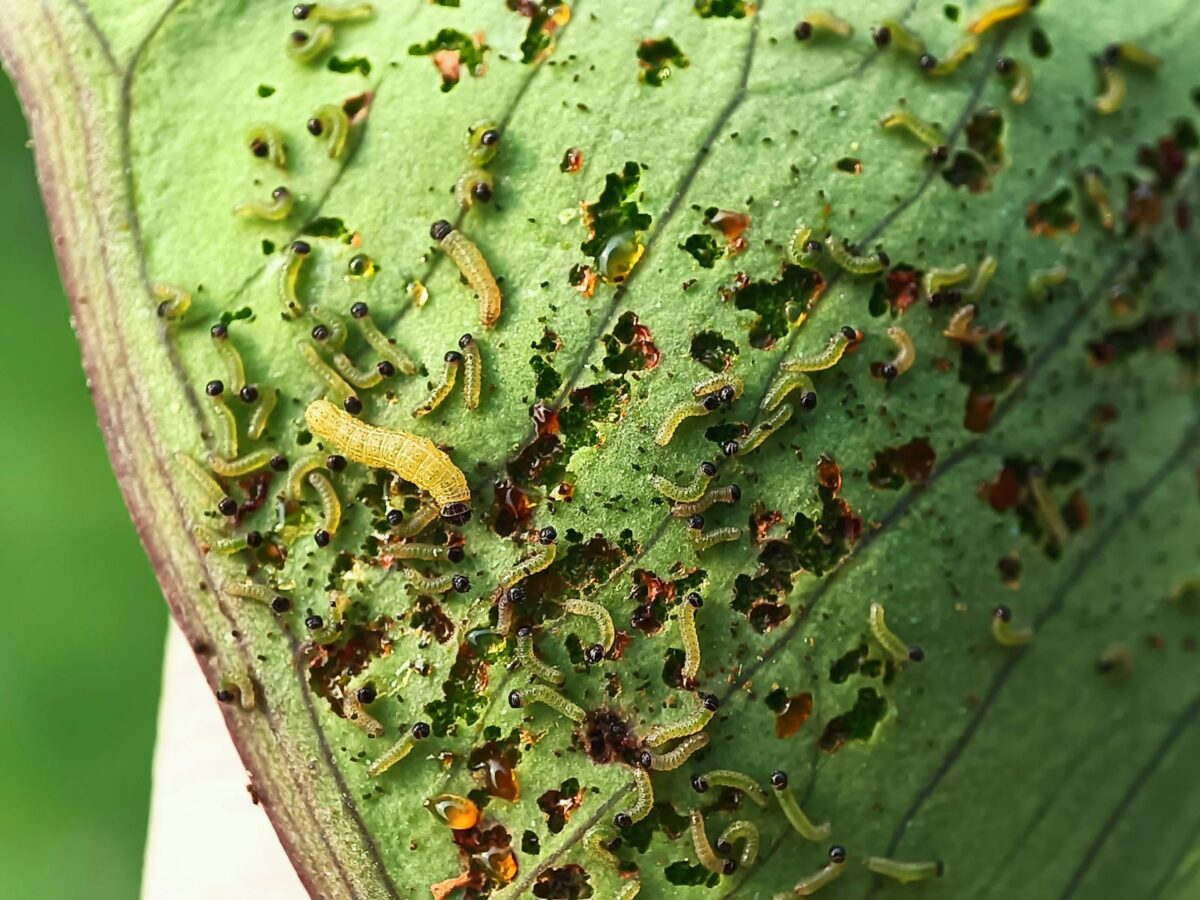
Indoor hydroponic gardens offer a controlled environment for growing plants, but pests can still pose a significant challenge. Understanding the common pests, their life cycles, preferred environments, and effective treatments is essential for maintaining healthy plants. This guide covers identification, prevention, and control strategies, including using natural predators to fight infestations. Learn More about TroubleShooting…

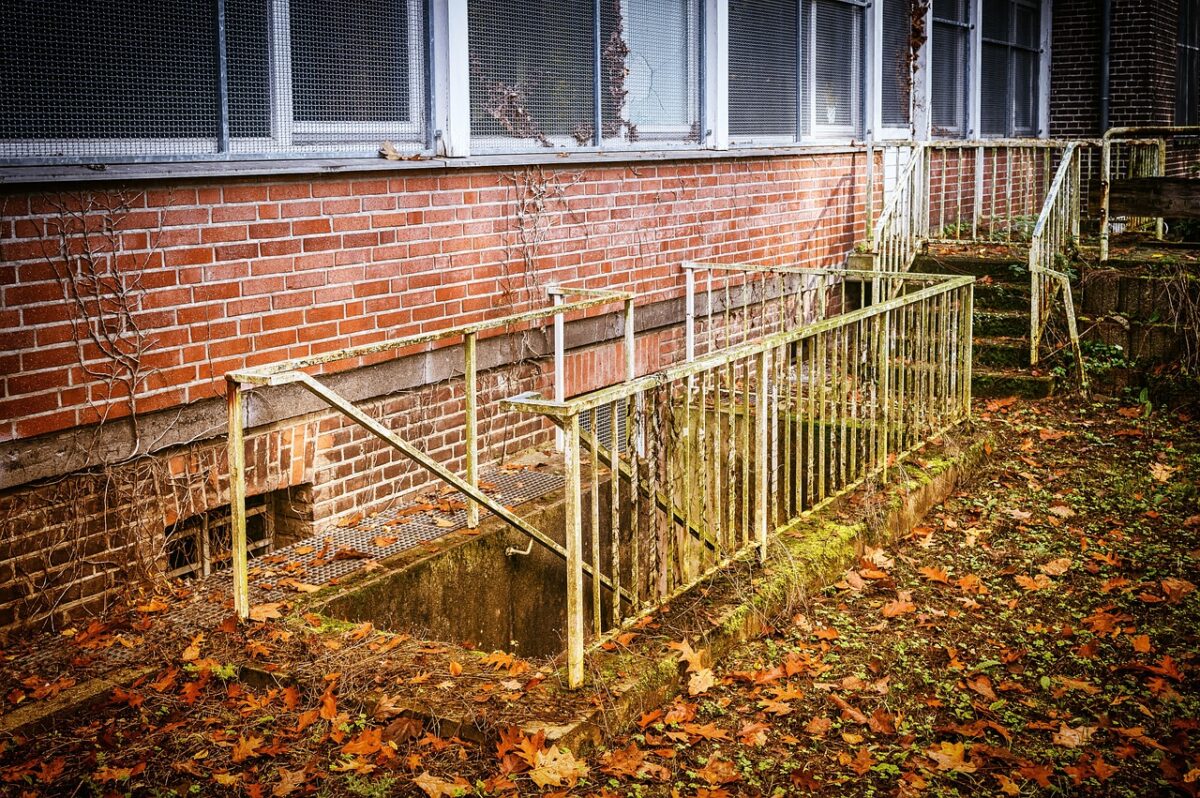
Basements often get a bad rap as dark, damp, and unused spaces. But if you’re a beginner looking to dive into hydroponics, a basement could be your secret weapon. With stable temperatures, fewer disturbances, and total control over lighting, it’s a surprisingly ideal place for a thriving indoor garden. Of course, there are a…

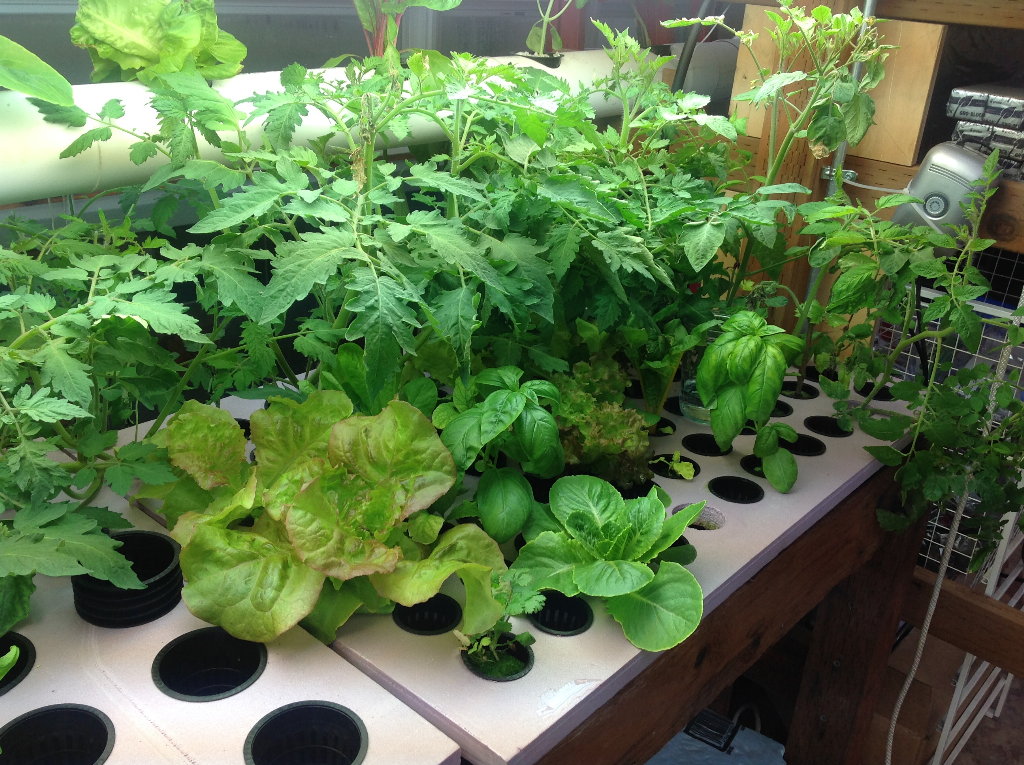
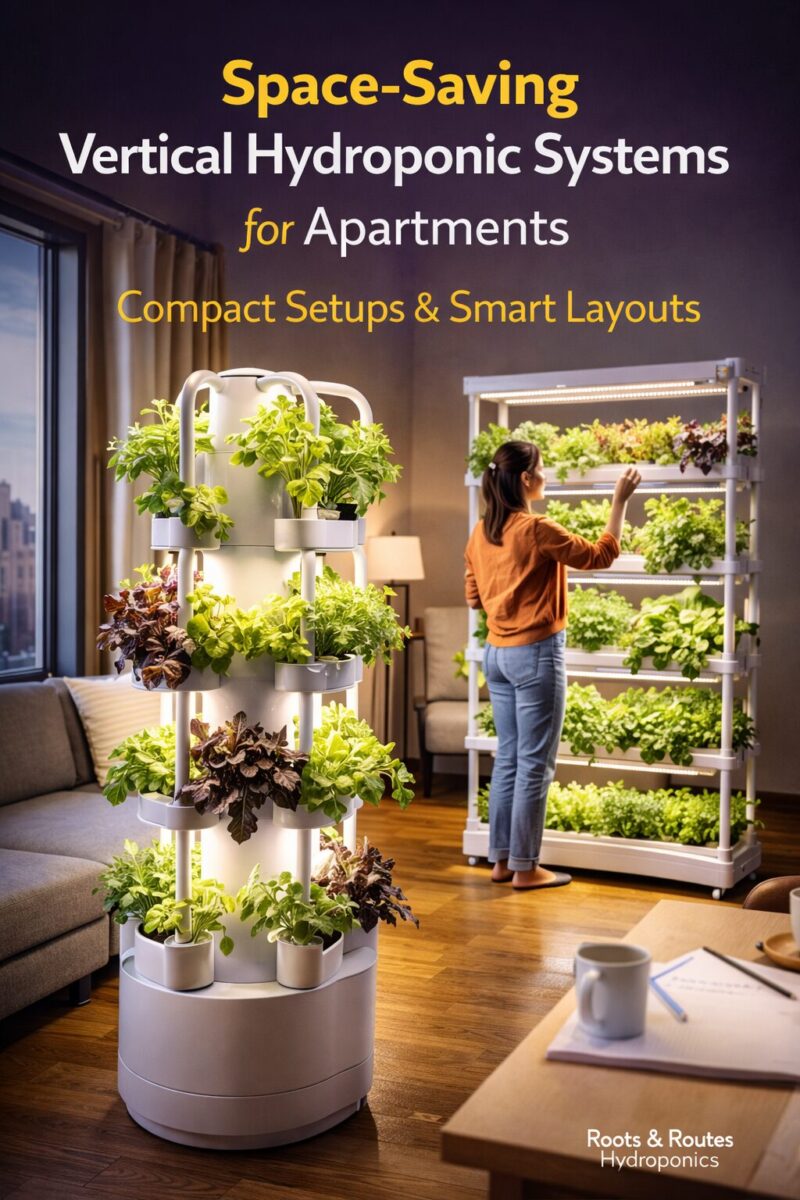
Indoor hydroponics doesn’t have to take over your living room. With the right vertical and space-saving setups, even small apartments can support a thriving garden of leafy greens, herbs, and compact fruiting plants. In this guide, we’ll explore practical vertical hydroponic systems, their advantages and disadvantages, typical sizes, placement strategies, and tips for maximizing…
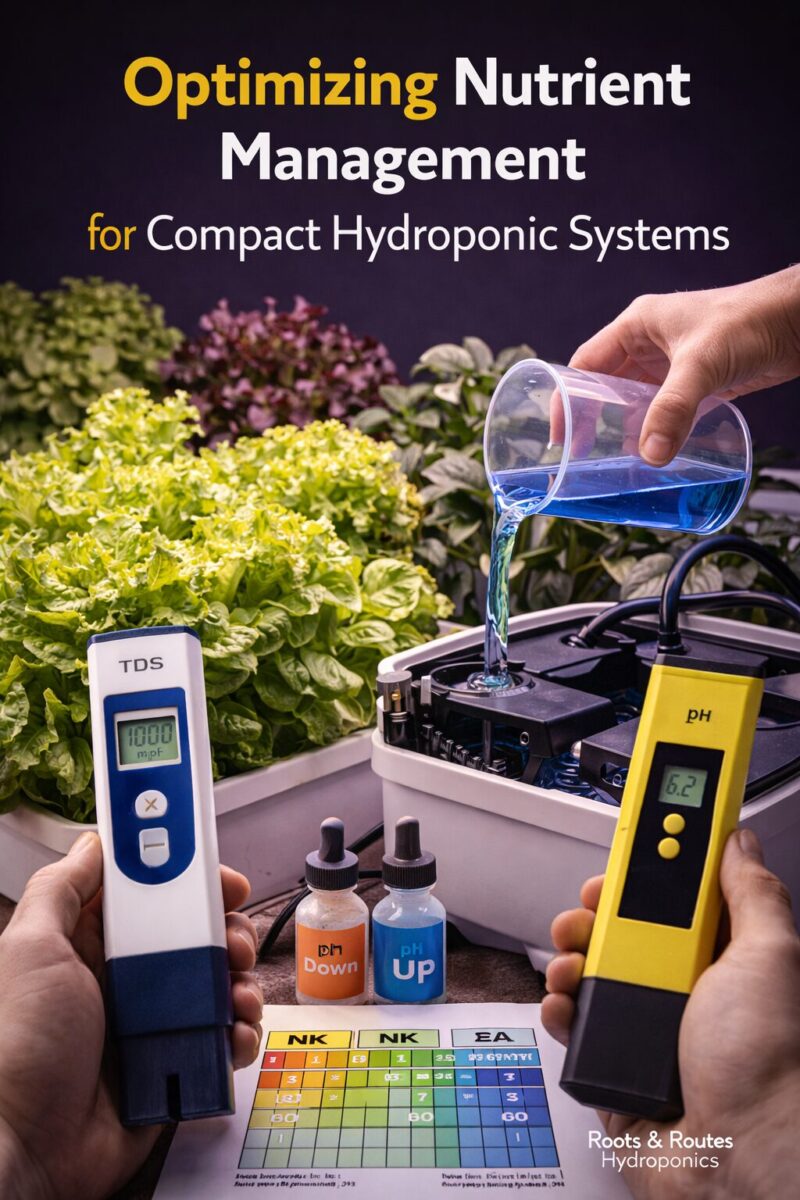
Managing nutrients correctly is one of the most important factors in maximizing growth and yield in compact hydroponic setups. Small mistakes in pH, EC, or feeding frequency can significantly reduce harvests. In this guide, we’ll show practical, low-cost ways to optimize nutrient delivery for leafy greens, herbs, and small fruiting plants without expensive equipment.…