Tag: hydroponics
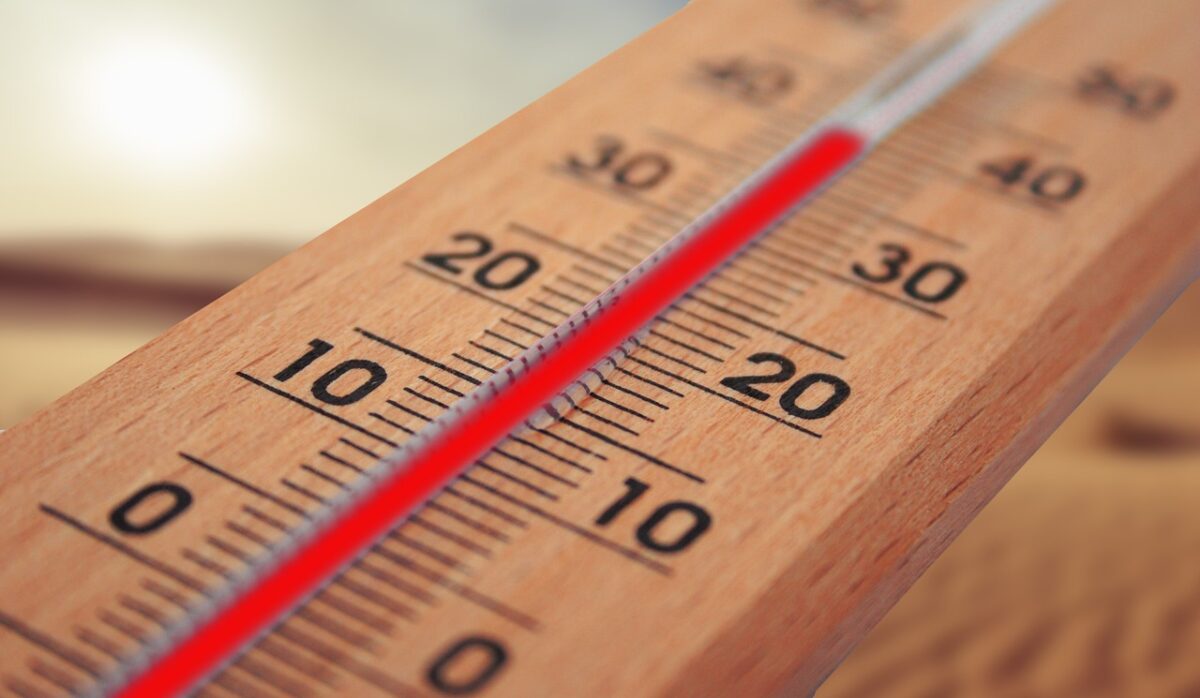
Keeping your hydroponic garden at the right temperature and humidity can make the difference between a thriving harvest and stressed, struggling plants. Plants rely on stable environmental conditions to absorb nutrients efficiently, develop strong roots, and grow vigorously. Too much heat or too little humidity can slow growth, while excessive moisture can invite mold or…

What is Coco Coir? Coco coir is a natural growing medium made from the fibrous husks of coconuts. It’s widely used in hydroponics as a soil substitute because it holds water well, provides excellent aeration, and is pH-neutral to slightly acidic—ideal for a variety of crops. Coco coir is renewable, sustainable, and a popular…

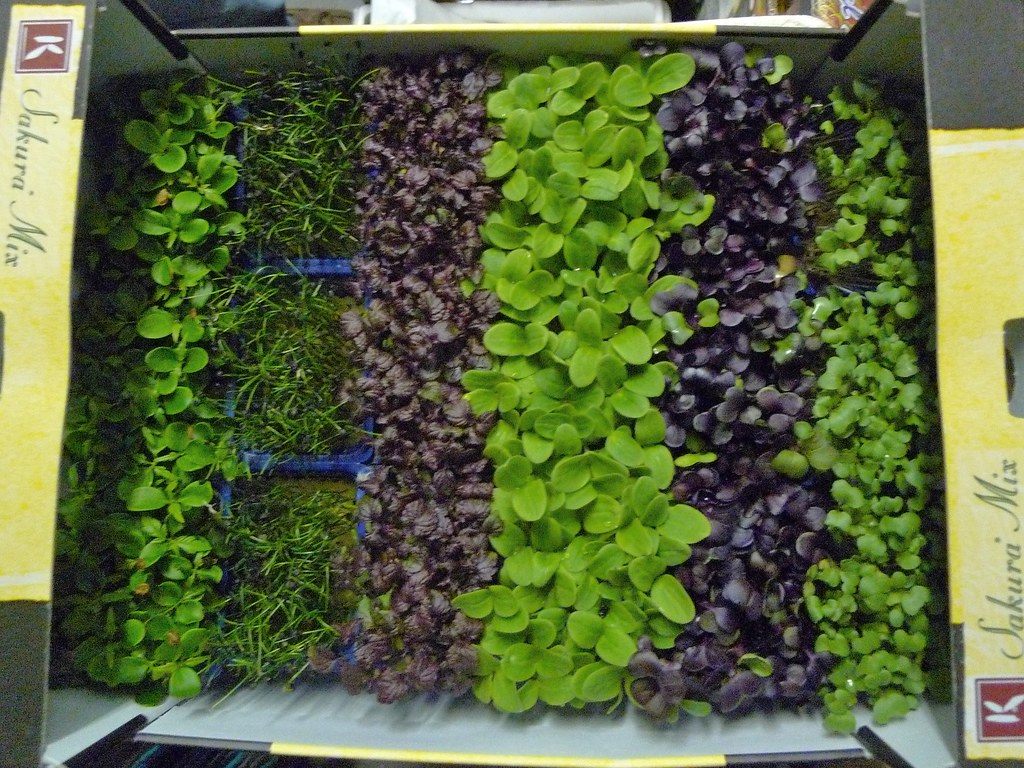
Leafy greens and microgreens are the backbone of many hydroponic gardens. They grow fast, stay compact, and reward you with consistent harvests. For beginners, they often deliver the highest success rate. For experienced growers, they offer reliable production with minimal overhead. This guide breaks down the best systems, lighting, nutrient targets, and practical steps for…

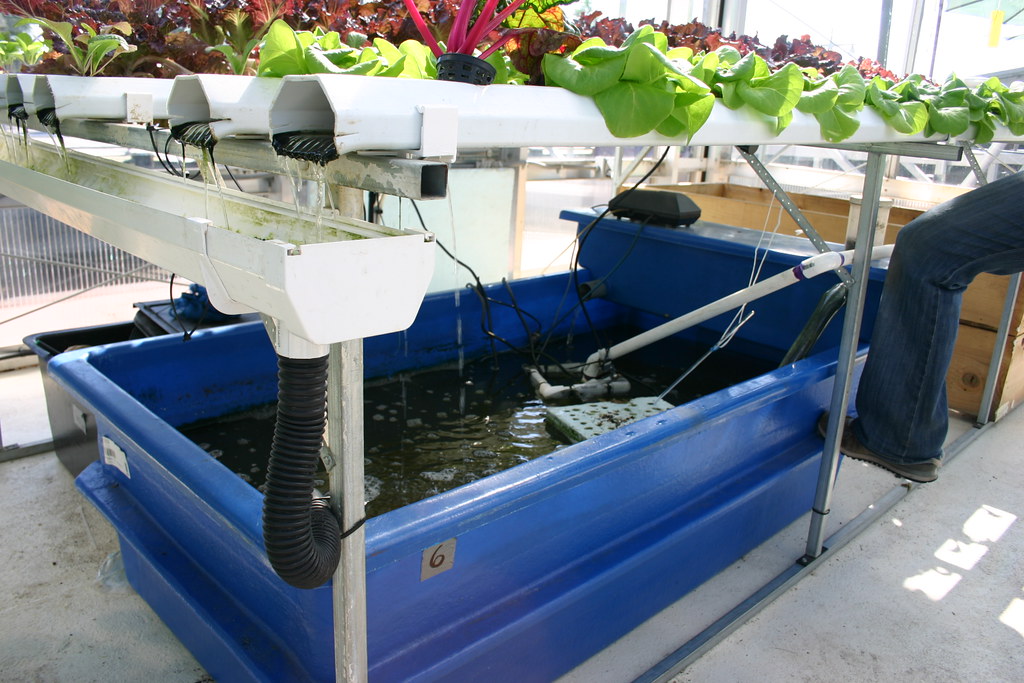
Hydroponics is the practice of growing plants without traditional soil, using nutrient-rich water solutions instead. This innovative method allows gardeners to grow crops efficiently indoors or in controlled environments, often producing faster growth, higher yields, and healthier plants compared to conventional soil gardening. Learn All about Hydroponics from our Resources Page <Here How Hydroponics…

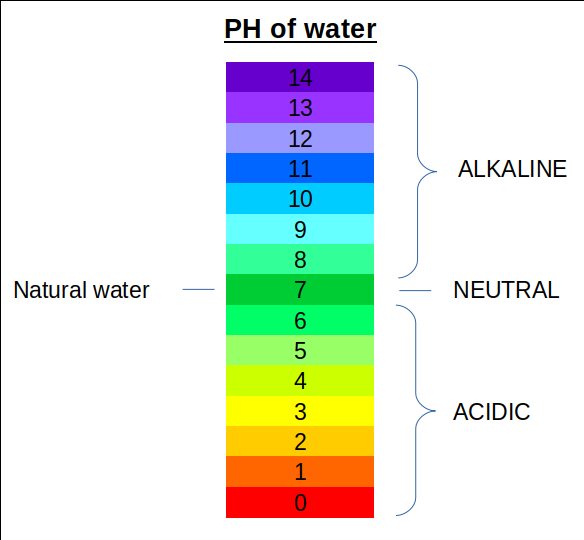
Water quality is one of the most critical factors for a successful hydroponic garden. Even with the right nutrients and lighting, plants can suffer if the pH or nutrient concentration is off. In this guide, we’ll cover how to measure and adjust pH and PPM (parts per million) to keep your hydroponic plants healthy and…

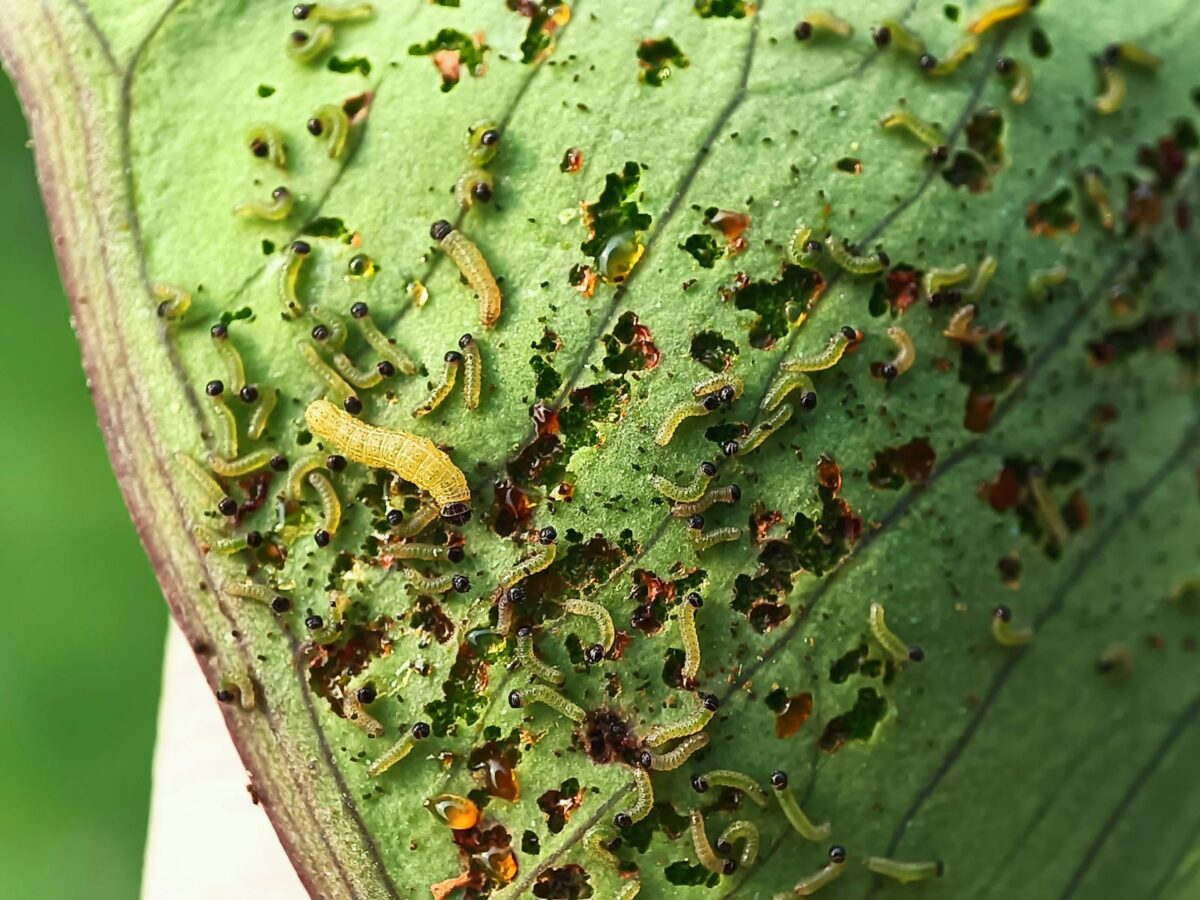
Indoor hydroponic gardens offer a controlled environment for growing plants, but pests can still pose a significant challenge. Understanding the common pests, their life cycles, preferred environments, and effective treatments is essential for maintaining healthy plants. This guide covers identification, prevention, and control strategies, including using natural predators to fight infestations. Learn More about TroubleShooting…

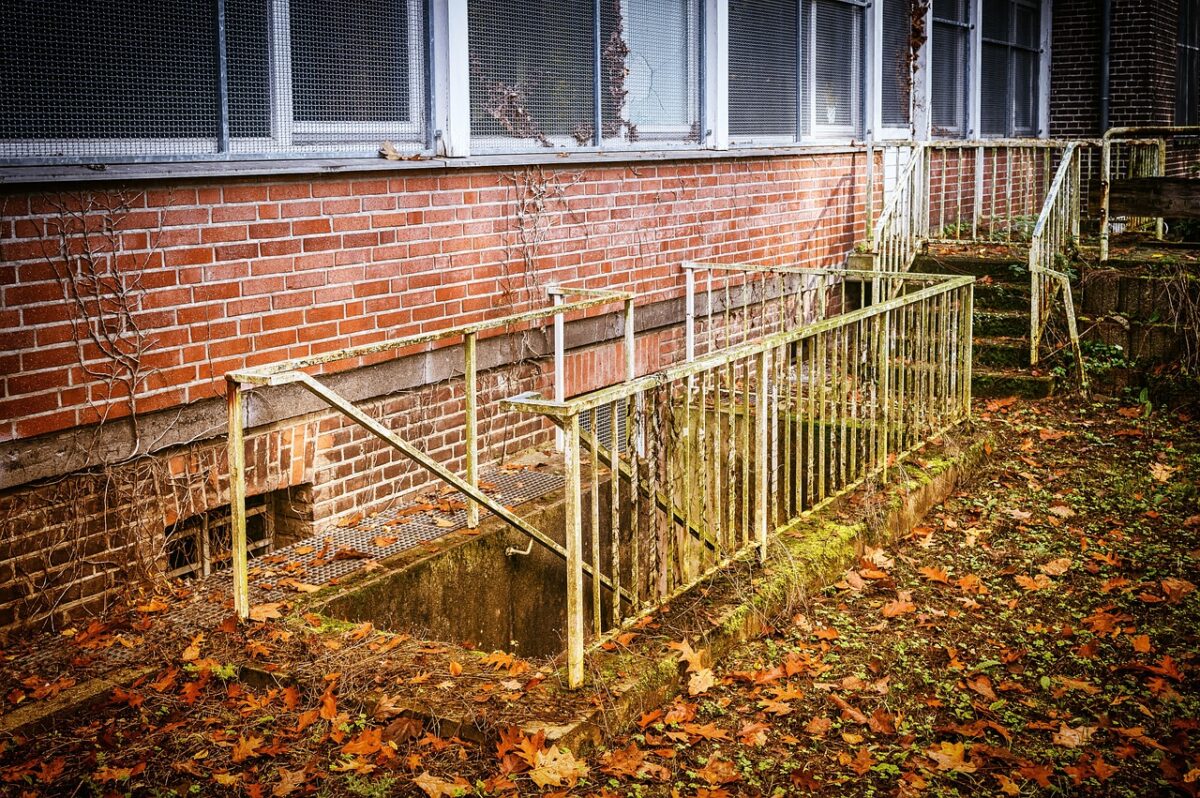
Basements often get a bad rap as dark, damp, and unused spaces. But if you’re a beginner looking to dive into hydroponics, a basement could be your secret weapon. With stable temperatures, fewer disturbances, and total control over lighting, it’s a surprisingly ideal place for a thriving indoor garden. Of course, there are a…