Tag: hydroponics
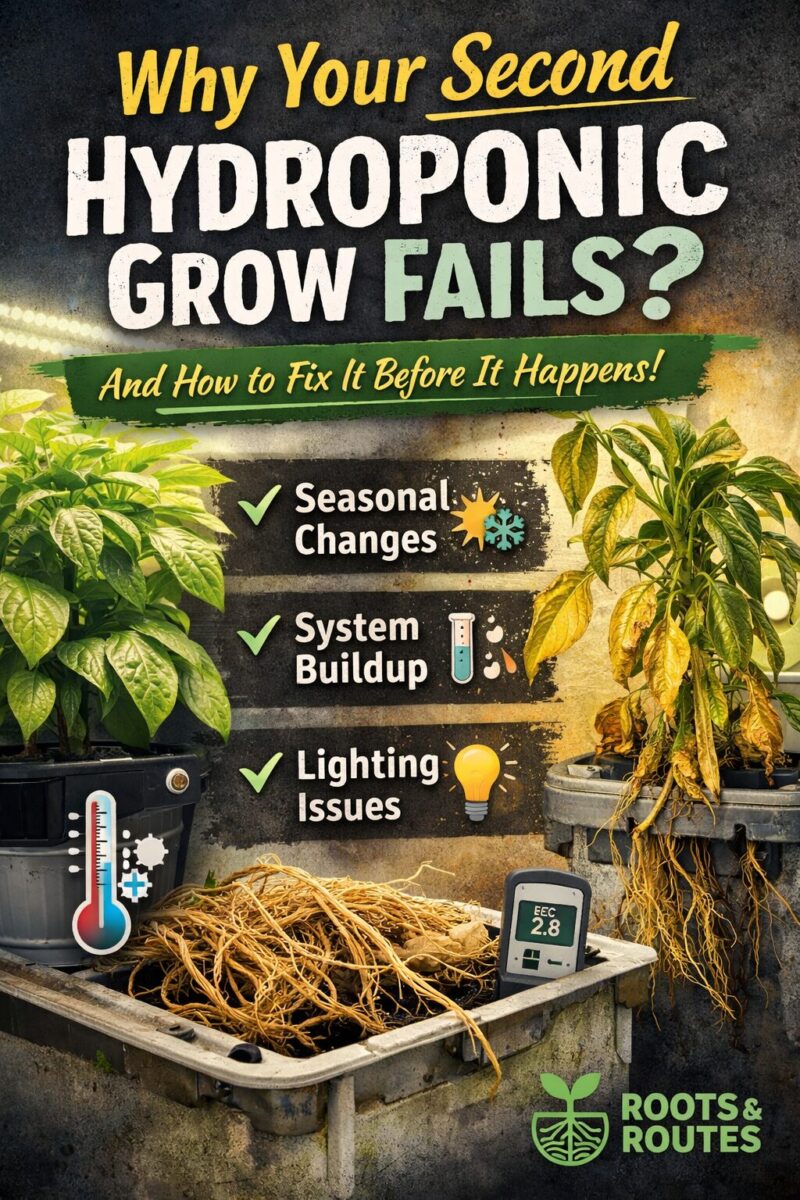
If you’re asking yourself why your second hydroponic grow fails, the short answer is this: even when your equipment stays the same, your environment and system conditions don’t. Small invisible changes — from leftover salt in the system to seasonal swings in humidity — can stress plants in ways you didn’t see the first time…

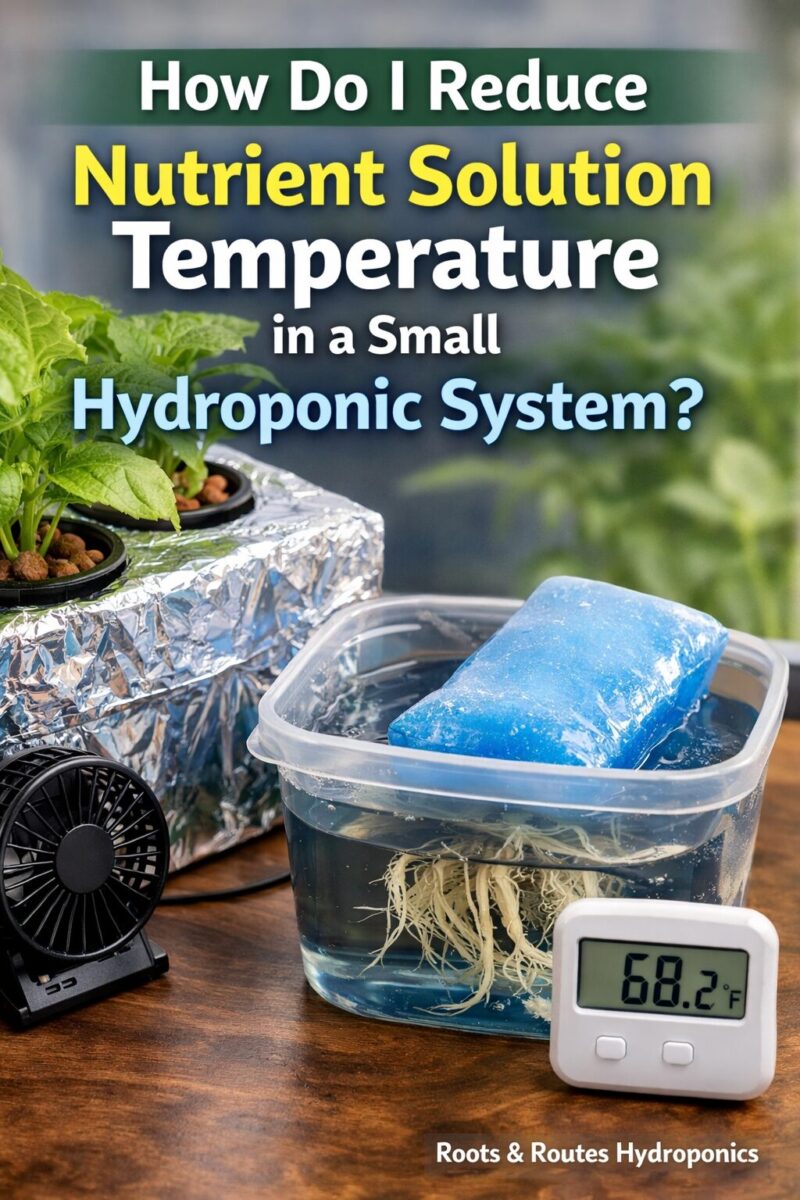
Even in a tiny countertop or windowsill hydroponic setup, nutrient solution temperature can make or break your plants. To keep your water cool, place your system out of direct heat, use insulation, chill the water before adding it, and consider passive cooling or a small chiller. These simple adjustments help roots stay healthy and…
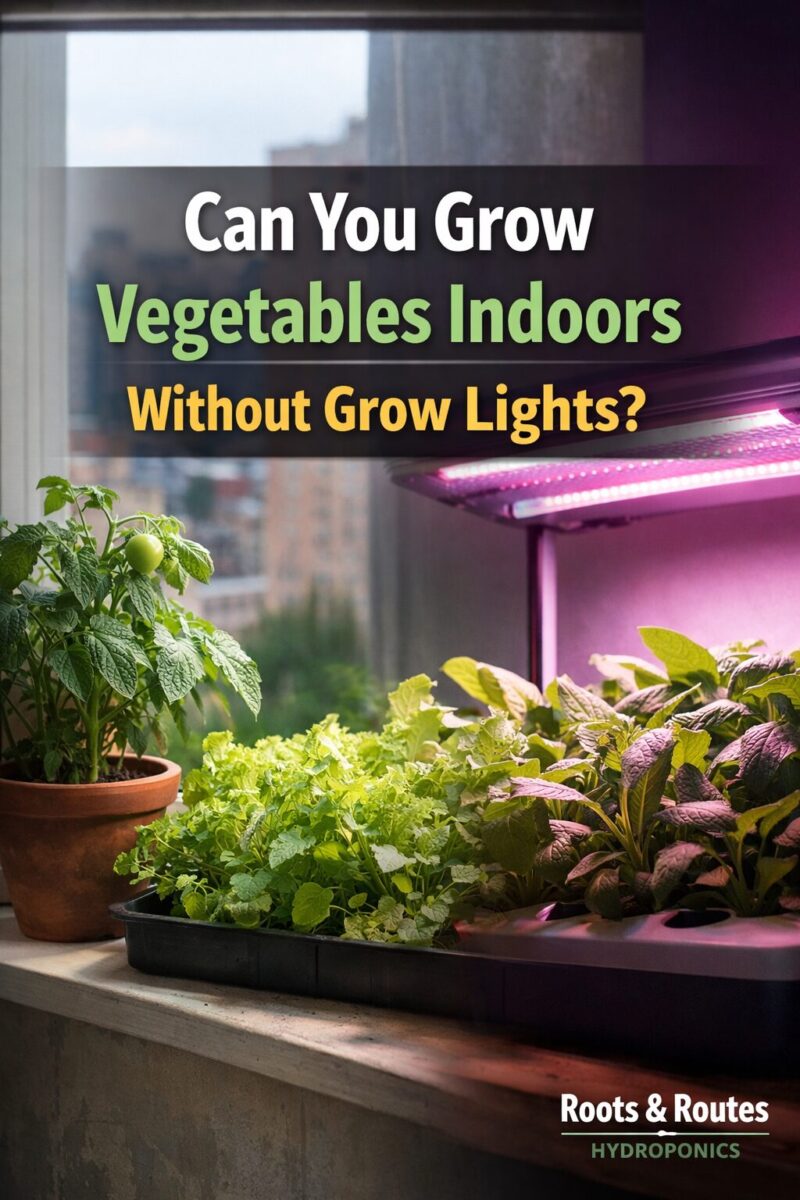
Short answer: yes, but not the way most people hope. I’m not saying that to be negative. I’m saying it because I’ve watched a lot of people waste time, money, and enthusiasm chasing an idea that only half works. If you live in an apartment, rent your place, or just don’t want your home glowing…

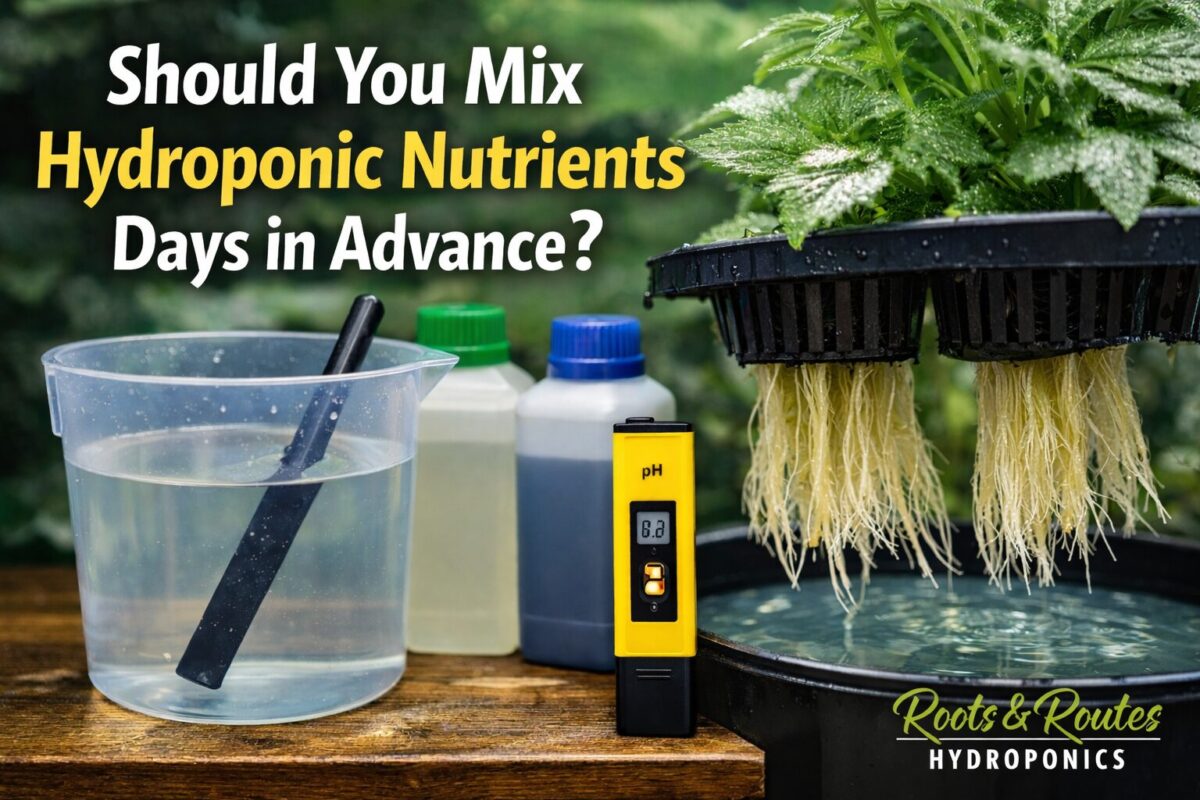
If you’ve ever wondered whether it’s okay to mix hydroponic nutrients days in advance, you’re not alone. A lot of growers do it intentionally, usually because they want the water to warm up, the pH to settle, or the solution to be “ready to go” when it’s time for a change. The problem is that…
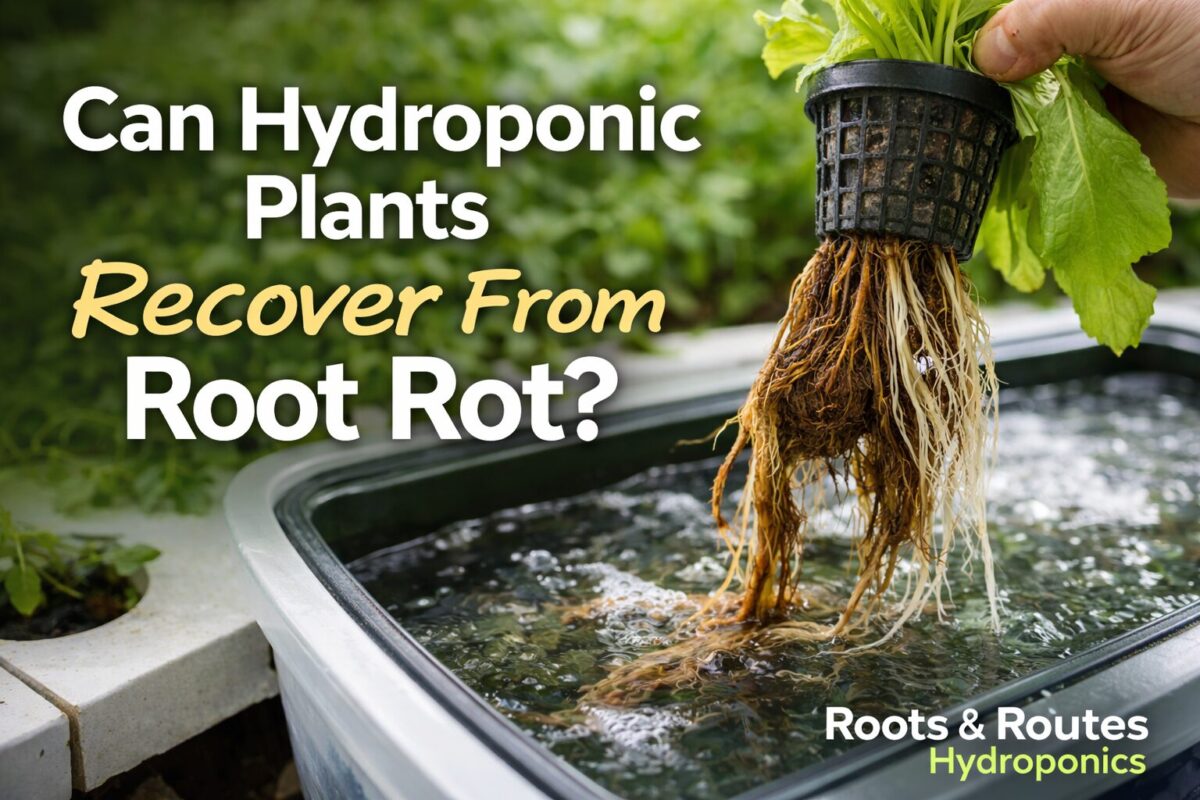
Can hydroponic plants recover from root rot? Yes — sometimes. But recovery depends far less on what product you add and far more on how early you catch it and how stable the system becomes afterward. Root rot is one of those problems that feels sudden, but in reality it builds quietly. By the time…
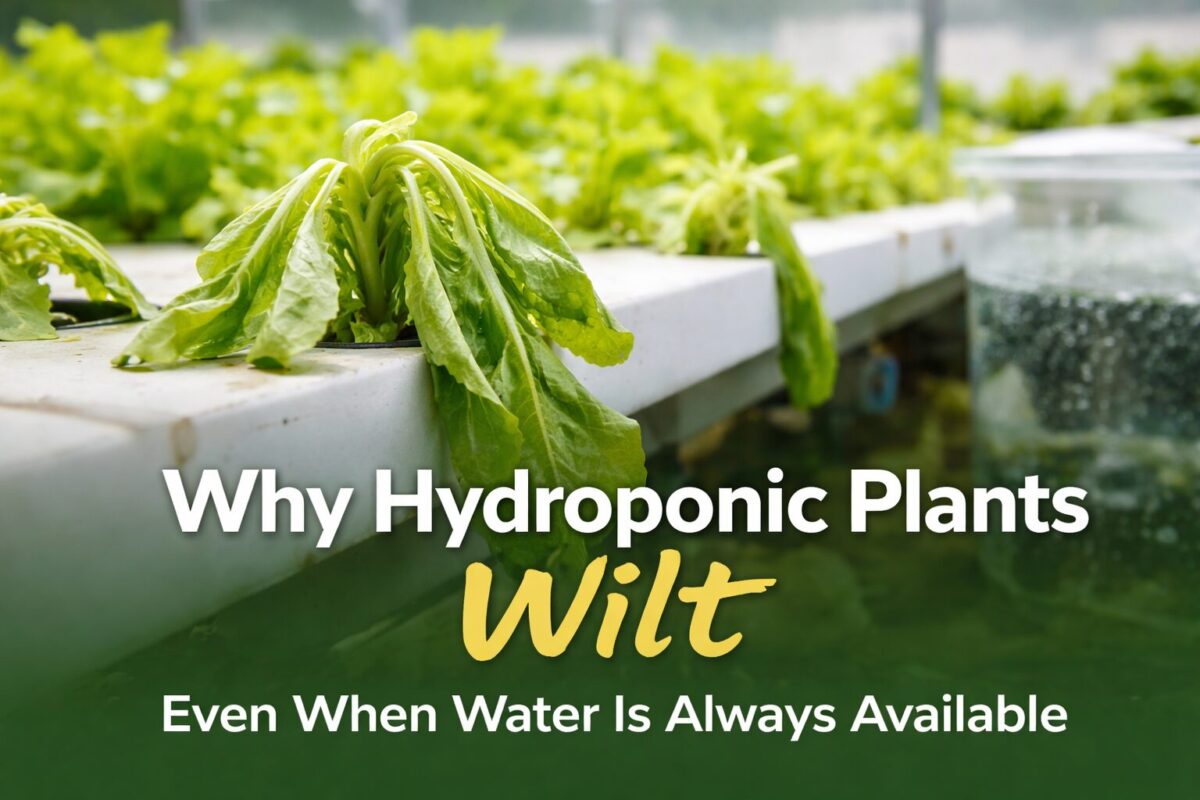
Hydroponic plants can wilt despite constant access to water and that feels backwards at first. You look at the reservoir, everything’s full, pumps are running, and yet the plant looks like it hasn’t had a drink in days. When this happens, the issue is almost never a lack of water. It’s usually that the roots…

If your hydroponic plants growing slowly are starting to test your patience, you’re not alone. Slow growth is one of the most common issues indoor and hydroponic growers run into, and it’s usually caused by one or two small setup problems rather than a total system failure. The key is figuring out which factor is…

Hydroponic systems rely on a variety of equipment to maintain nutrient delivery, lighting, airflow, and overall plant health. Malfunctions in pumps, lights, controllers, or reservoirs can disrupt growth and reduce yields. This guide covers common equipment failures, troubleshooting steps, and preventative maintenance strategies for hydroponic growers. Pumps (Water and Nutrient Pumps) Pumps are critical for…
Companion planting in hydroponics is the practice of growing plants together that mutually benefit each other, whether through pest prevention, nutrient sharing, growth support, or maximizing space. In indoor hydroponic systems, careful pairing of plants can improve yields, reduce stress, and enhance overall plant health. This guide explores the principles of companion planting, plant compatibility,…

Flowering Plants for Hydroponics are a rewarding choice for indoor gardeners, offering vibrant blooms and a variety of growth experiences. Many flowering species can thrive indoors when provided with proper lighting, nutrients, and environmental conditions. This guide covers popular flowering plants for hydroponics, system selection, nutrient management, environmental needs, maintenance tips, and troubleshooting strategies. Popular…