
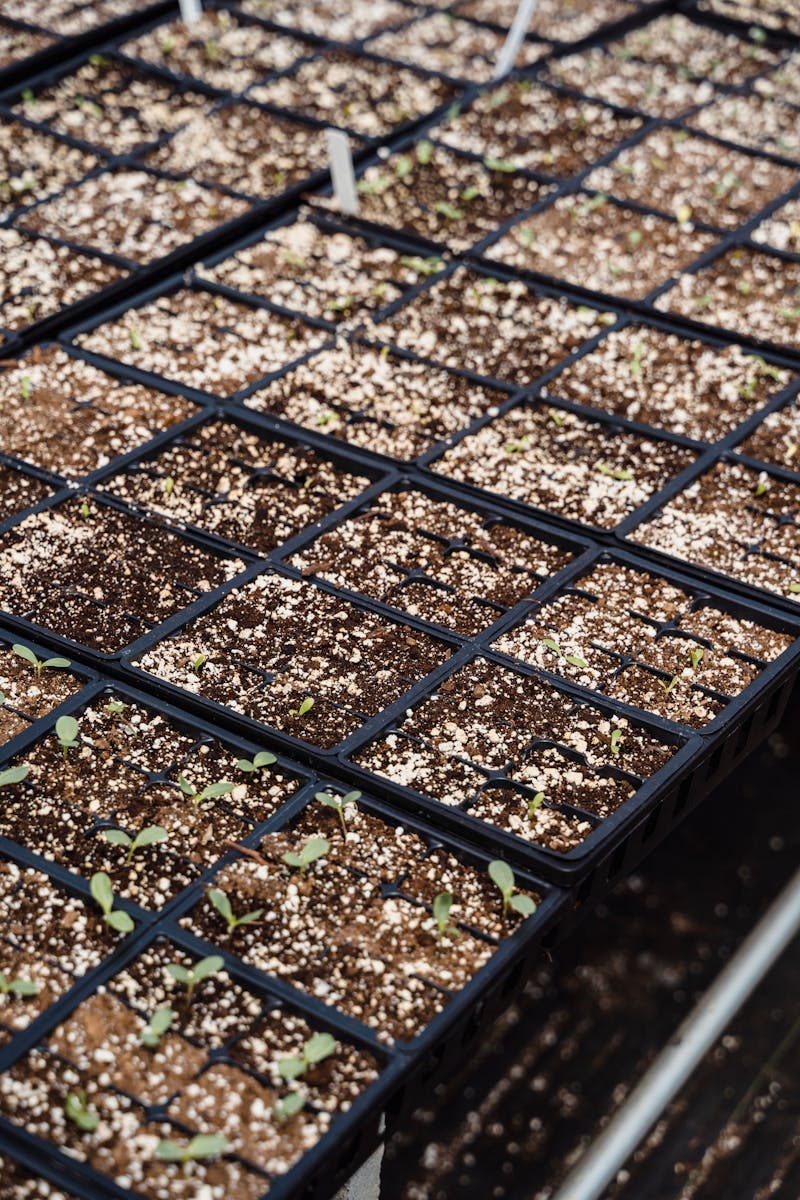
Perlite and vermiculite are two essential hydroponic growing mediums that offer unique benefits for plant growth and root health. While they are often mentioned together, each medium has its own characteristics, making them suitable for different stages of plant development, hydroponic systems, and environmental conditions. Understanding their properties and how to use them effectively can help maximize yield and overall plant health.
For a full overview of hydroponic substrates, visit our Growing Mediums page.
Perlite: Lightweight and Aerated
Perlite is a naturally occurring volcanic glass that is heated to extremely high temperatures, causing it to expand into lightweight, porous granules. Its structure allows for excellent drainage and aeration, making it ideal for hydroponic systems where roots need both oxygen and moisture. Perlite is chemically inert and neutral in pH, so it won’t interfere with your nutrient solution.
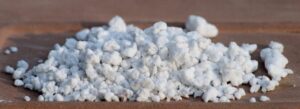
Advantages of perlite include:
- Exceptional drainage to prevent root rot.
- High aeration for healthy root oxygenation.
- Neutral pH for stable nutrient uptake.
- Lightweight and easy to handle, especially in small-space hydroponics.
- Reusable after proper cleaning and sterilization.
Perlite is often combined with other mediums such as Coco Coir or Clay Pebbles (Hydroton) to balance water retention and aeration. Using perlite alone may cause rapid drying in some systems, so monitoring moisture is important, especially in Ebb & Flow setups.
Vermiculite: Moisture and Nutrient Retention
Vermiculite is a naturally occurring mineral that expands when heated, forming sponge-like granules that retain water and nutrients. This property makes it excellent for seedlings, propagation, and plants that require consistent moisture. Unlike perlite, vermiculite can hold nutrients within its structure and release them slowly, providing a stable feeding environment for roots.
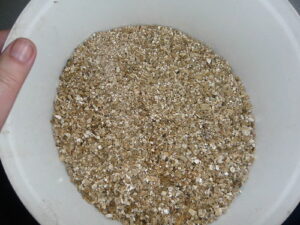
Benefits of vermiculite include:
- High water retention to keep roots hydrated consistently.
- Excellent nutrient-holding capacity for steady growth.
- Lightweight, sterile, and easy to manage.
- Supports root development in young plants and seedlings.
Vermiculite works well when mixed with other mediums like perlite or coco coir to create a balanced environment that combines aeration with moisture retention. In propagation trays or small-space hydroponics, it can prevent water stress and improve seedling success.
Side-by-Side Comparison of Perlite and Vermiculite
| Property | Perlite | Vermiculite |
|---|---|---|
| Drainage | Excellent | Moderate |
| Aeration | High | Moderate |
| Water Retention | Low | High |
| Nutrient Retention | Low | High |
| pH | Neutral | Slightly alkaline |
| Best Use | Hydroponic systems needing drainage and aeration | Seedlings, propagation, moisture-sensitive plants |
Using Perlite and Vermiculite Together
Many hydroponic growers combine perlite and vermiculite to leverage the benefits of both. The perlite provides aeration, ensuring roots get oxygen and preventing waterlogging, while vermiculite holds water and nutrients for steady availability. A 50/50 mix is common, but ratios can be adjusted based on plant type, system design, and environmental conditions.
Practical tips for a perlite-vermiculite mix:
- Rinse perlite to remove dust.
- Pre-soak vermiculite to prevent clumping.
- Monitor water levels closely; even with retention properties, overwatering can still occur.
- Sterilize the medium between grow cycles to prevent algae and pathogens.
Comparison with Other Hydroponic Mediums
| Medium | Drainage | Aeration | Water Retention | Nutrient Retention | Reusability |
|---|---|---|---|---|---|
| Perlite | Excellent | High | Low | Low | Yes |
| Vermiculite | Moderate | Moderate | High | High | Yes |
| Coco Coir | Good | Good | Moderate | Moderate | Yes |
| Clay Pebbles (Hydroton) | Excellent | Excellent | Low | Low | Yes |
For more medium comparisons, see our posts on Coco Coir and Clay Pebbles.
Potential Drawbacks
Perlite dries quickly and holds very little water or nutrients, so constant monitoring is necessary. Vermiculite can retain too much moisture in poorly drained systems, risking root rot. Both mediums require cleaning and sterilization between grow cycles to prevent pathogen buildup. Choosing the right ratio and system-specific use is essential for optimal performance.
Summary
Perlite and vermiculite are indispensable hydroponic mediums that complement each other when used strategically. Perlite excels at drainage and aeration, while vermiculite provides consistent moisture and nutrient availability. Using them separately or together allows growers to customize their medium to suit seedlings, mature plants, and various hydroponic systems. Proper handling, preparation, and maintenance ensure healthy root systems and maximize plant growth.
Questions & Answers
Q: Can perlite and vermiculite be reused?
A: Yes, both can be rinsed, sterilized, and reused for multiple grow cycles.
Q: Should I mix them together?
A: Mixing balances drainage and moisture retention, which is ideal for seedlings and small-space hydroponics.
Q: Are they suitable for small-space setups?
A: Yes, both are lightweight and easy to manage, perfect for vertical or compact systems.
Q: Do they affect nutrient solution pH?
A: Perlite is neutral; vermiculite is slightly alkaline but generally does not disrupt hydroponic nutrient management.