
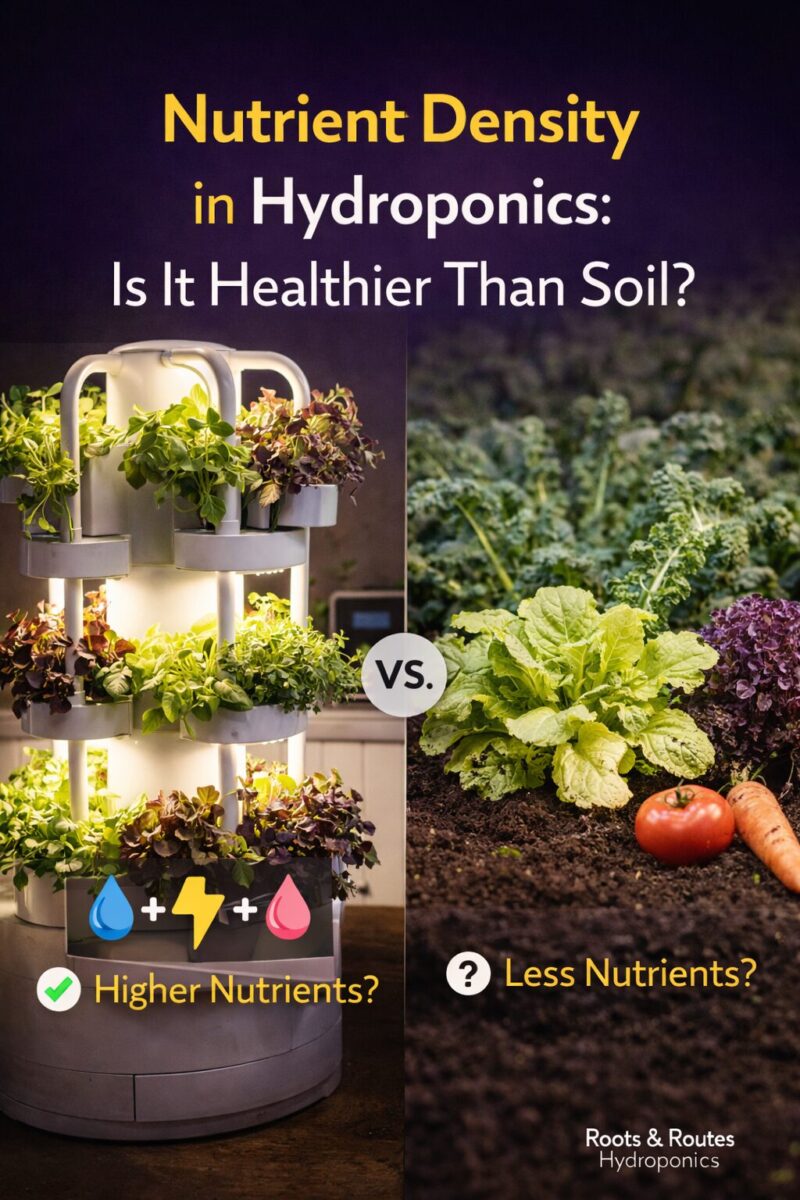
Reclaiming Ancestral Quality with Modern Technology
When we look at the history of human nutrition, we often find a “purity gap” between the whole foods our ancestors ate and the over-industrialized options of today. However, achieving superior nutrient density in hydroponics is now the primary bridge for those looking to reclaim that lost quality without the risks of the past. By controlling the environment, we can match or, in some cases, exceed the mineral availability found in well-managed soil while maintaining a level of safety that 18th-century farmers could only dream of. This question of nutrient density in hydroponics versus soil-grown food is where modern growing methods truly stand apart.
The Ancestral Reality: Why “Old-World” Food Was Different
A few hundred years ago, “processed food” didn’t exist, and the soil hadn’t yet been exhausted by centuries of industrial monocropping. Food was nutrient-dense by default, but it came with invisible dangers like mold-borne toxins and seasonal starvation. While ancestral diets benefited from fresher food, consistency and safety were highly variable. Today, our soil often lacks the mineral diversity it once had, leading many to seek out alternative ways to grow high-quality produce.
How Modern Hydroponics Restores Food Quality
It’s easy to assume hydroponics is just “lab food,” but it’s actually a way to cut through the noise of modern industrial farming. By delivering a precise mineral balance directly to the roots, we can bypass “tired” soil that’s been stripped of its minerals over the last century. It’s a practical way to grow vegetables that hit the nutrient-density levels our ancestors enjoyed, simply because the plants aren’t struggling to find what they need in depleted ground.
Beyond the nutrition, there’s the sheer purity of it. When you control the water and the environment, you aren’t guessing about pesticides or heavy metal runoff. And since the harvest happens steps away from your plate, the vitamins stay in the food rather than degrading during a week-long trip in a shipping container.
Maintaining Consistency Over the Long Term
The biggest hurdle to achieving that “ancestral” food quality at home is usually consistency. Maintaining a perfect mineral balance manually can be a lot to keep up with, which is why a more automated approach can be so helpful. For growers who want that level of precision without turning food production into a second job, this is where modern automation actually earns its keep
Systems like the LetPot Max are designed to handle the precision work that’s hard to do by hand. It features a system that automatically mixes nutrients and pulls from a backup water reservoir, which helps maintain a steady environment for the plants even when life gets busy. While you do eventually have to top off the external tank, it significantly extends the time between refills. Plus, with WiFi integration, the system can alert your phone when it’s finally time for a top-up, ensuring your plants never hit a “dry spell” that could stunt their nutritional growth.
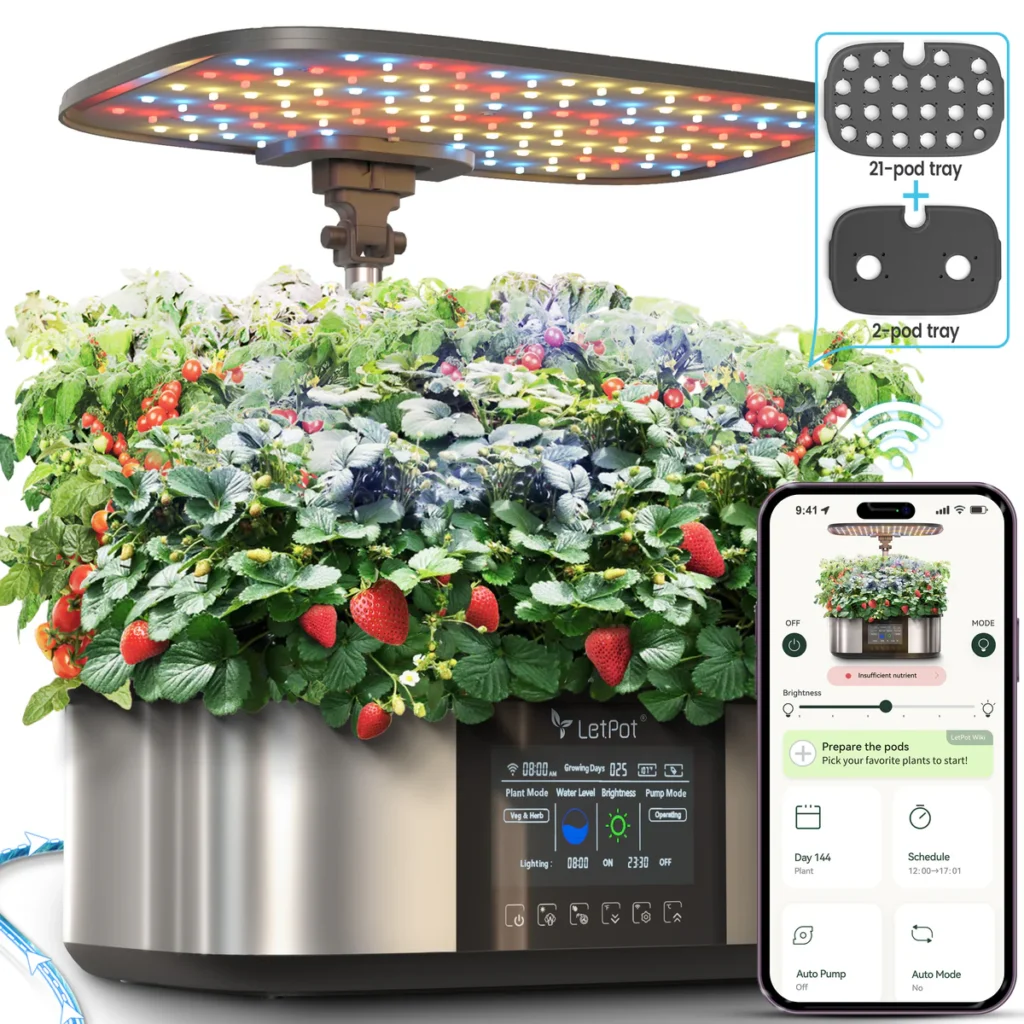
LetPot Max
- Auto Care & Nutrition: Automated water & nutrient delivery for steady, healthy growth.
- Capacity & Light: 21 pods + 36 W full-spectrum LED.
- Smart Control: Touchscreen + mobile app for easy monitoring.
Purchasing through this link supports the site at no extra cost.
Final Thoughts: The Best of Both Worlds
Ultimately, the debate between the “natural” past and our “industrial” present doesn’t have to be an either-or choice. We can respect the simplicity of ancestral whole foods while using modern tools to solve the problems of soil depletion and chemical runoff.
By focusing on nutrient density in hydroponics, you aren’t just growing a salad; you’re ensuring that every bite contains the mineral profile your body actually needs. Whether you’re looking for a fully automated system like the LetPot Max to handle the precision work, or you prefer a more hands-on approach, the goal is the same: moving away from a mysterious global supply chain and back to a transparent, nutrient-rich harvest right in your own home. It’s the most direct way to ensure your food is as healthy as it was meant to be.
Unsure where to start?
If you’re unsure what system will fit your space or how much effort you want to invest, our Hydroponic System Selector Tool can help. It guides you through sizes and types of hydroponic systems so you can find options that match your goals.
For more fundamental knowledge and general overview of hydroponics and how it works, check out our Resources Page.