
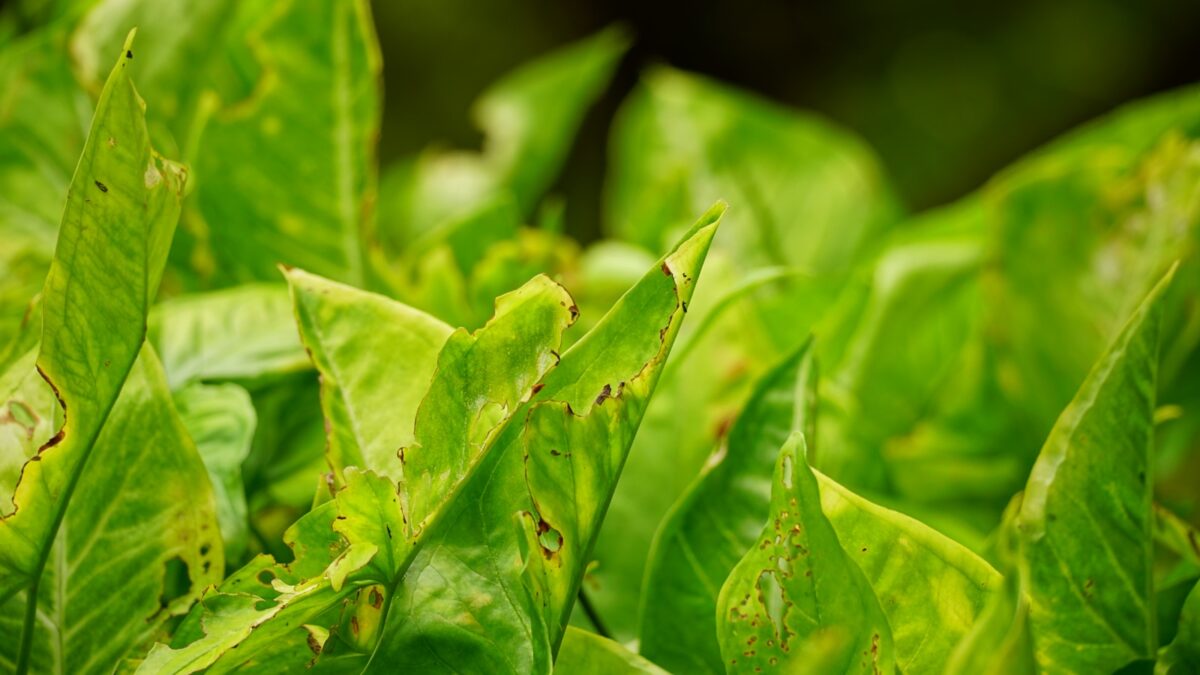
Healthy hydroponic plants depend on balanced nutrients delivered through water solutions. Imbalances—whether nutrient deficiencies or toxicities—can slow growth, reduce yields, and increase susceptibility to pests and diseases. This guide covers common nutrient issues, their symptoms, troubleshooting methods, and preventative strategies for hydroponic growers.
Macronutrient Deficiencies
Macronutrients are required in larger amounts for plant growth. Deficiencies usually manifest in leaf color changes, stunted growth, or abnormal development.
| Nutrient | Symptoms | Typical Fix |
|---|---|---|
| Nitrogen (N) | Yellowing of older leaves, slow growth | Increase nitrogen in nutrient solution gradually; monitor EC and pH |
| Phosphorus (P) | Dark green or purplish leaves, delayed flowering | Adjust nutrient solution to provide adequate phosphorus; ensure pH is optimal for uptake |
| Potassium (K) | Leaf edge burn, weak stems, poor fruiting | Increase potassium levels; check for interference from other cations |
| Calcium (Ca) | Blossom end rot, tip burn, distorted new growth | Supplement calcium carefully; avoid rapid pH swings |
| Magnesium (Mg) | Interveinal yellowing on older leaves | Add magnesium sulfate or adjust nutrient solution; maintain proper pH |
| Sulfur (S) | Yellowing of new growth, slow growth | Provide sulfur via balanced nutrient solution |
Micronutrient Deficiencies
Micronutrients are required in smaller amounts but are equally essential. Deficiencies often appear first in younger growth or specialized tissues.
| Nutrient | Symptoms | Typical Fix |
|---|---|---|
| Iron (Fe) | Interveinal chlorosis in new leaves | Use chelated iron supplements; maintain pH 5.5–6.5 |
| Manganese (Mn) | Yellowing with brown spots on new leaves | Adjust manganese levels carefully; monitor pH |
| Zinc (Zn) | Stunted leaves, shortened internodes | Supplement zinc with chelated forms if necessary |
| Copper (Cu) | Leaf tip necrosis, distorted new growth | Add copper carefully; avoid excess which can be toxic |
| Boron (B) | Cracked growing points, distorted young leaves | Provide boron in small doses; monitor EC to prevent toxicity |
| Molybdenum (Mo) | Yellowing of older leaves, poor growth | Supplement molybdenum cautiously; avoid high concentrations |
Signs of Nutrient Toxicities
Excess nutrients can be as damaging as deficiencies. Common toxicity symptoms include leaf burn, dark green foliage, stunted growth, and nutrient lockout.
- Nitrogen toxicity: Excessively dark green leaves, overly rapid vegetative growth, weak stems.
- Potassium toxicity: Leaf edge burn, nutrient antagonism affecting magnesium or calcium uptake.
- Micronutrient toxicities: Copper or zinc excess can cause leaf necrosis and inhibit overall nutrient absorption.
- Salt buildup: High EC leads to osmotic stress, wilting, and nutrient uptake inhibition.
Troubleshooting Nutrient Issues
- Check nutrient solution concentration and EC regularly.
- Monitor pH closely; many nutrients become unavailable outside optimal ranges (5.5–6.5 for most plants).
- Inspect roots for color and texture: brown, slimy, or stunted roots often indicate nutrient or oxygen problems.
- Adjust nutrient formulation gradually; avoid sudden large changes that stress plants.
- Isolate affected plants when possible to prevent spread of secondary issues such as mold or bacterial infections.
Preventative Maintenance & Tips
- Regularly clean and calibrate EC and pH meters.
- Flush reservoirs periodically to prevent salt accumulation.
- Rotate nutrient solutions completely every 1–2 weeks depending on plant stage.
- Use separate reservoirs for groups of plants with very different nutrient requirements.
- Keep records of nutrient recipes, pH, and EC for reference and early problem detection.
Quick Reference Flowchart
Example troubleshooting sequence for deficiencies/toxicities:
- Observe plant symptoms → Identify affected leaves (old vs new)
- Check pH and EC → Correct pH and measure EC
- Review nutrient mix → Adjust missing or excess nutrients gradually
- Inspect roots → Confirm healthy, oxygenated roots
- Monitor plants for 3–7 days → Reassess and adjust as necessary
Q&A Section
Q: How do I tell if a yellow leaf is nitrogen deficiency or overwatering?
A: Examine pattern—older leaves affected first indicates nitrogen deficiency, while uniform yellowing or wilting often points to water or oxygen stress.
Q: Can EC or pH adjustments alone fix nutrient issues?
A: Sometimes, but you may need to supplement specific nutrients if deficiencies persist despite proper EC and pH.
Q: How do I prevent micronutrient toxicities?
A: Use chelated forms at recommended concentrations, monitor EC, and avoid over-supplementing.
For more guidance on nutrient management and maintaining optimal hydroponic conditions, see our Water & Nutrients page and related troubleshooting posts at Troubleshooting.