
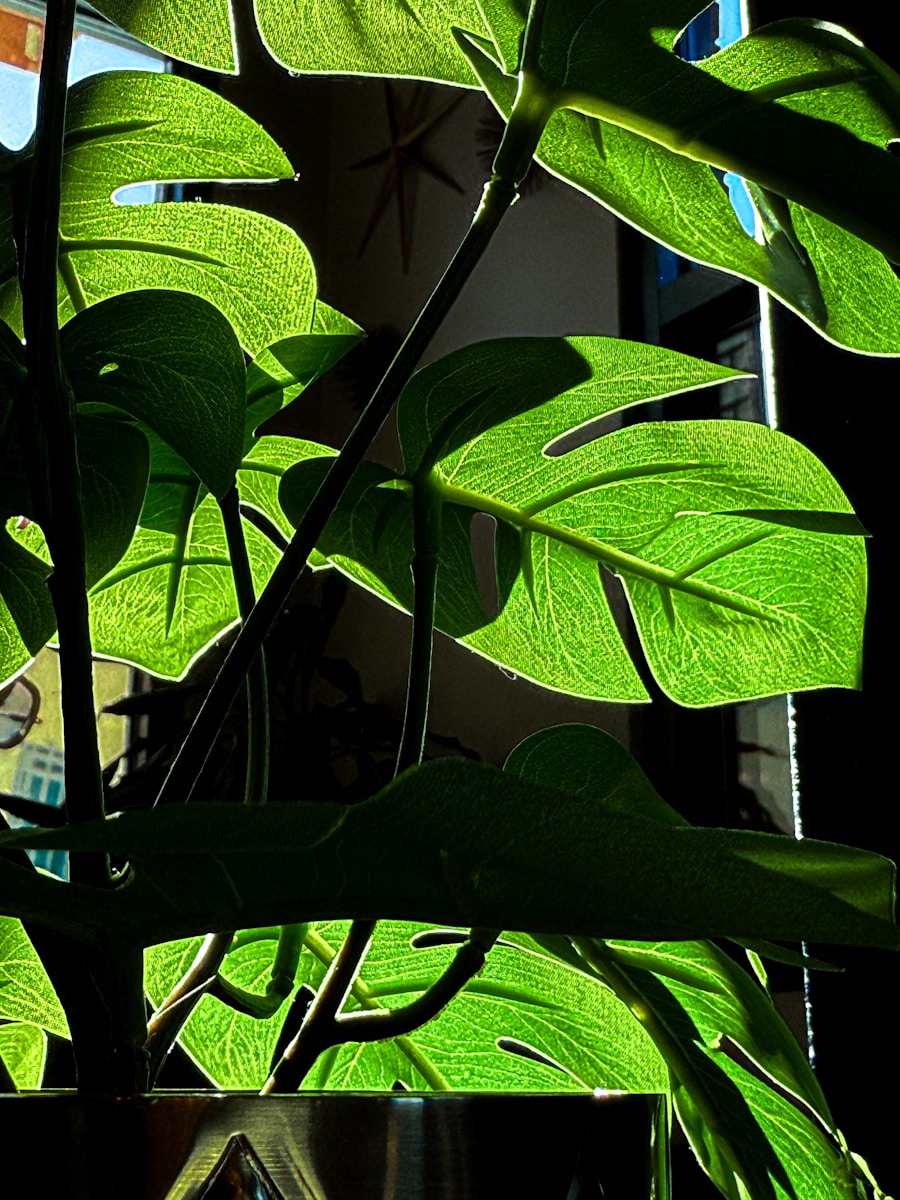
Light is the engine that drives plant growth, and in hydroponics it becomes even more critical because plants rely entirely on controlled conditions. While artificial grow lights dominate most indoor setups, natural sunlight and proper light schedules still play an important role in many hydroponic gardens. Understanding how sunlight behaves, how plants respond to light cycles, and how to manage timing correctly can dramatically improve growth, yield, and plant health.
This guide focuses on using natural sunlight where possible and dialing in light schedules for hydroponic systems. For a full overview of lighting methods, visit the Lighting page.
How Natural Sunlight Works in Hydroponic Systems
Natural sunlight is a full-spectrum light source that plants evolved under. It delivers a balanced range of wavelengths that support vegetative growth, flowering, and fruiting without artificial tuning. In hydroponics, sunlight is commonly used in greenhouses, sunrooms, or window-adjacent indoor setups.
The main advantage of sunlight is quality. Plants respond naturally to its spectrum and intensity, often showing strong growth patterns when exposure is consistent. The downside is control. Sunlight varies by season, weather, latitude, and time of day, which can introduce inconsistency if it is the only light source.
Many growers use sunlight as a primary or supplemental source alongside artificial lighting. When paired correctly, this hybrid approach can reduce energy costs while maintaining predictable growth.
Limitations of Relying on Sunlight Alone
While sunlight is powerful, it is not always reliable for indoor hydroponics. Short winter days, cloudy weather, and poor window orientation can reduce usable light hours below what plants need. Fruiting and flowering plants are especially sensitive to these changes.
Another limitation is heat. Direct sunlight can raise temperatures quickly, especially in enclosed spaces. Without proper airflow and ventilation, plants can become stressed or damaged.
If you are using sunlight indoors, it should always be evaluated alongside airflow and temperature control. See Ventilation & Airflow in Indoor Hydroponic Gardens for strategies that help manage heat buildup.
Understanding Light Schedules in Hydroponics
Light schedules refer to how long plants receive light and darkness within a 24-hour period. Unlike outdoor growing, hydroponics allows precise control over these cycles, which directly influences plant development.
Plants use light duration to determine growth stages. Too little light slows growth. Too much light can stress plants and reduce efficiency. Darkness is just as important, as many plant processes occur when lights are off.
Common Hydroponic Light Cycles
| Growth Stage | Light On | Light Off | Notes |
|---|---|---|---|
| Seedlings | 16–18 hours | 6–8 hours | Gentle, consistent exposure |
| Vegetative Growth | 18 hours | 6 hours | Promotes leaf and root development |
| Flowering / Fruiting | 12 hours | 12 hours | Triggers flowering response |
| Leafy Greens | 14–18 hours | 6–10 hours | Flexible, tolerant of longer cycles |
These schedules apply whether light comes from the sun, artificial sources, or a combination of both.
Combining Sunlight with Artificial Grow Lights
One of the most effective strategies for hydroponic lighting is using sunlight as a base and supplementing it with grow lights. This ensures plants receive consistent light hours even when natural conditions fall short.
Supplemental lighting is especially useful in the early morning or late afternoon when sunlight intensity drops. Timers allow artificial lights to fill these gaps automatically, maintaining a stable schedule.
LED grow lights are commonly used for this purpose because they run cool, are energy efficient, and can be positioned easily. Learn more in the Complete Guide to LED Hydroponic Grow Lights.
Light Intensity vs Light Duration
Light schedules are not just about time. Intensity matters just as much. Strong sunlight for fewer hours can sometimes outperform weak light left on all day. Plants respond to the total amount of usable light they receive, not just how long lights stay on.
This is why positioning, reflectivity, and light distribution are critical when using sunlight indoors. Poor distribution can leave parts of the plant shaded, reducing efficiency.
For strategies on maximizing available light, see Reflective Surfaces and Light Distribution.
Managing Heat When Using Sunlight
Sunlight introduces radiant heat that artificial lights do not always produce. Even a few hours of direct sun can raise reservoir temperatures and stress roots in hydroponic systems.
Growers using sunlight should monitor water temperature closely and ensure proper air exchange. Inline fans, exhaust systems, and passive ventilation can prevent heat buildup.
More detail can be found in Inline Ducting & Exhaust Systems for Hydroponic Gardens.
Common Mistakes with Light Timing
Inconsistent schedules are one of the most common lighting mistakes in hydroponics. Plants rely on predictable cycles, and frequent changes can slow growth or cause stress responses.
Another issue is running lights continuously with no dark period. While plants need light, they also require darkness to complete metabolic processes. Skipping dark periods often leads to diminishing returns.
Many lighting-related problems overlap with other system issues covered in Mistakes That Kill Plants in Indoor Hydroponic Gardens.
When Natural Sunlight Makes Sense
Natural sunlight works best in greenhouses, sunrooms, and bright south-facing spaces where exposure is consistent. It is also effective for leafy greens, herbs, and early vegetative growth stages.
For fruiting plants or year-round production, sunlight alone is rarely enough. In these cases, sunlight should be viewed as a supplement rather than a replacement for controlled lighting.
Summary
Natural sunlight can be a valuable asset in hydroponic gardens, but it requires careful management. While sunlight provides excellent spectrum quality, it lacks consistency and control. Combining natural light with proper scheduling and supplemental grow lights offers the best balance between efficiency and reliability. By understanding light timing, intensity, and heat management, growers can optimize growth while avoiding common pitfalls.
Questions & Answers
Q: Can I grow hydroponically using only sunlight?
A: Yes, but results depend heavily on location, season, and plant type.
Q: Do hydroponic plants need darkness?
A: Yes. Darkness is essential for healthy metabolic cycles.
Q: Is sunlight better than LED grow lights?
A: Sunlight offers excellent spectrum quality, but LEDs provide consistency and control.
Q: Should I use a timer even with sunlight?
A: Timers help maintain consistent light schedules when using supplemental lighting.