
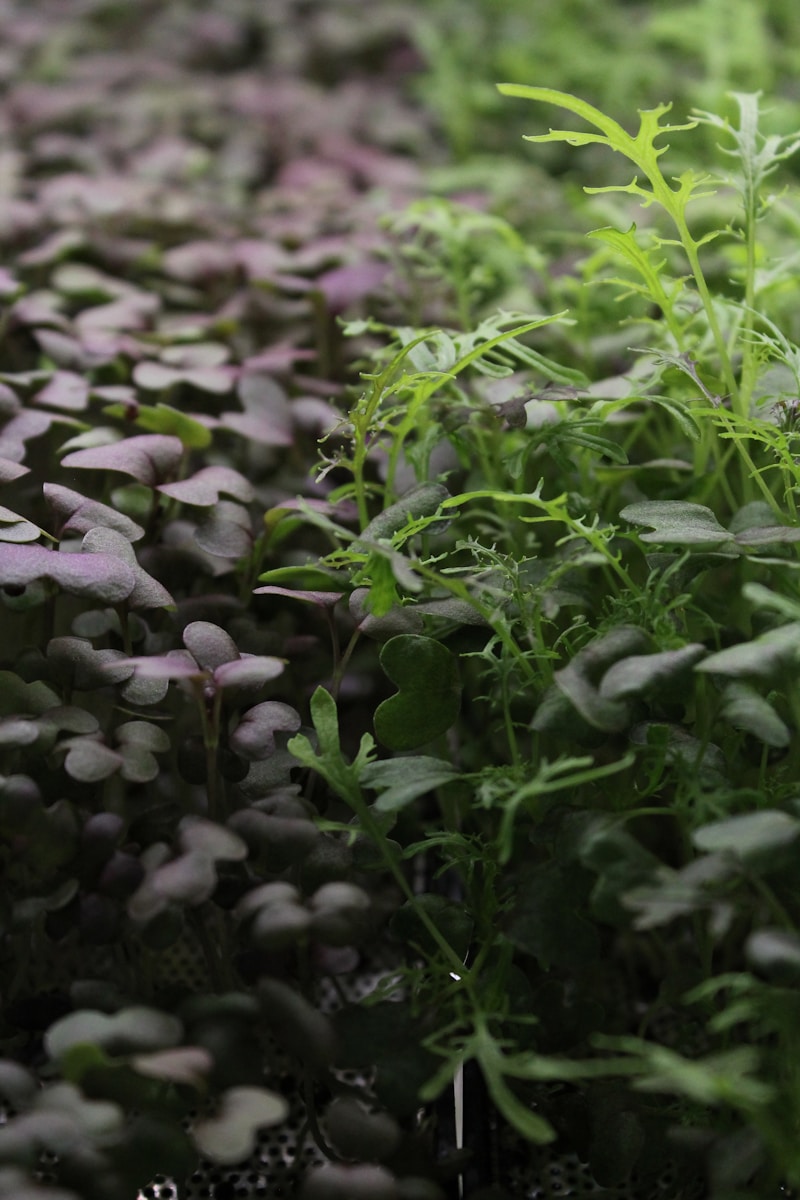
Companion planting in hydroponics is the practice of growing plants together that mutually benefit each other, whether through pest prevention, nutrient sharing, growth support, or maximizing space. In indoor hydroponic systems, careful pairing of plants can improve yields, reduce stress, and enhance overall plant health. This guide explores the principles of companion planting, plant compatibility, practical setups, and troubleshooting for hydroponic growers.
Why Companion Planting Matters in Hydroponics
While companion planting is traditionally associated with soil gardening, hydroponic growers can also benefit from pairing plants strategically. Some advantages include:
- Pest and Disease Management: Certain plants repel insects or mask odors that attract pests. For example, aromatic herbs like basil can deter aphids.
- Nutrient Optimization: Plants with complementary nutrient requirements reduce competition and maintain balanced nutrient solutions.
- Growth Support: Taller plants can provide shade or act as windbreaks for more delicate species.
- Space Efficiency: Compact companion plants maximize limited hydroponic space, especially in small NFT or DWC setups.
For general hydroponic knowledge, see What Is Hydroponics and our Plants page.
Principles of Companion Planting
Successful companion planting in hydroponics relies on understanding:
- Root Space: Even in hydroponics, root zones must have enough room to avoid crowding and oxygen stress.
- Nutrient Compatibility: Pair plants with similar N-P-K demands to prevent nutrient imbalances.
- Light Requirements: Ensure plants with different light needs are placed where intensity is appropriate for each.
- Pest Interactions: Include plants that naturally repel common pests or support beneficial insects if using an integrated system.
Common Hydroponic Companion Pairings
Below is a table of effective hydroponic companion plants, including why they work together and any cautionary notes:
| Primary Plant | Companion Plant | Benefits | Caution/Notes |
|---|---|---|---|
| Tomatoes | Basil | Repels whiteflies and aphids, enhances flavor | Ensure similar light requirements; both prefer full spectrum LED lighting |
| Lettuce | Spinach | Similar nutrient demands, fast-growing leafy greens complement each other | Crowding can occur if spacing is too tight in NFT channels |
| Peppers | Marigolds | Marigolds repel nematodes and some fungal pathogens | Ensure root zones are separate if DWC buckets are small |
| Strawberries | Thyme | Thyme deters pests, reduces fungal risk, and supports pollination if insects are present | Consider pruning thyme to prevent shading strawberries |
| Orchids | Peace Lily | Similar humidity and nutrient preferences, reduces fungal spores in the air | Orchids need precise pH; monitor nutrient solution closely |
Plant Grouping by Nutrient Needs
Grouping plants by nutrient requirements ensures compatibility and prevents one species from dominating or starving another. Example N-P-K ranges for companion groups:
| Plant Group | Optimal N-P-K | Notes |
|---|---|---|
| Leafy Greens | 3-1-2 | Fast-growing, low-light plants; compatible with other leafy greens |
| Fruiting Plants | 2-3-2 to 2-3-3 | Tomatoes, peppers, and strawberries require higher phosphorus for blooms |
| Herbs | 2-1-2 | Basil, thyme, mint; aromatic and pest-repelling; pair with fruiting plants carefully |
| Ornamentals | 2-2-3 | Flowers like geraniums, petunias; moderate nutrients and light; combine with other ornamentals or herbs |
Practical Hydroponic Setup Tips
- Use separate reservoirs for groups with very different nutrient requirements, especially in DWC setups.
- Position taller plants strategically to avoid shading shorter companions; consider tiered racks or vertical NFT channels.
- Prune aggressively where necessary to maintain airflow and light penetration, reducing fungal risks.
- Monitor pH, EC, and temperature daily; small changes can affect companion plants differently.
- Rotate plants periodically if using deep trays or ebb & flow systems to ensure even light exposure.
Analyst’s Note: While Basil and Tomatoes are the perfect pairing, they have different “drinking” habits. Tomatoes need a reservoir that doesn’t go dry in 48 hours. If you’re pairing heavy feeders, I recommend using a system with an auto-refill tank like the Letpot LPH-Max.
Not sure which of my recommended systems fits your specific pair? Use the System Selector Tool on the homepage to match your plants to the right hardware.
Common Challenges in Companion Planting
| Challenge | Cause | Solution |
|---|---|---|
| Nutrient Imbalance | Plants with different N-P-K needs sharing one solution | Use separate reservoirs or adjust dosing schedules |
| Crowding and Light Competition | Fast-growing or tall plants overshadow others | Use vertical systems or stagger planting heights |
| Pest or Disease Spread | Close proximity increases risk of contagion | Isolate susceptible species or use pest-repelling companions |
Q&A Section
Q: Can I mix leafy greens with fruiting plants?
A: Yes, as long as nutrient requirements are monitored. Leafy greens generally require less phosphorus, so keep an eye on solution balance or use separate reservoirs.
Q: Are aromatic herbs effective in hydroponics for pest control?
A: Yes, herbs like basil, thyme, and mint can repel certain pests naturally, but results vary depending on the system and plant density.
Q: How do I avoid shading issues in vertical systems?
A: Rotate plants periodically and arrange shorter plants on upper tiers or in front of taller ones to ensure all get sufficient light.
Q: Should I pair plants with very different nutrient needs?
A: Generally no. It’s best to keep plants with similar N-P-K requirements together or use separate nutrient reservoirs.