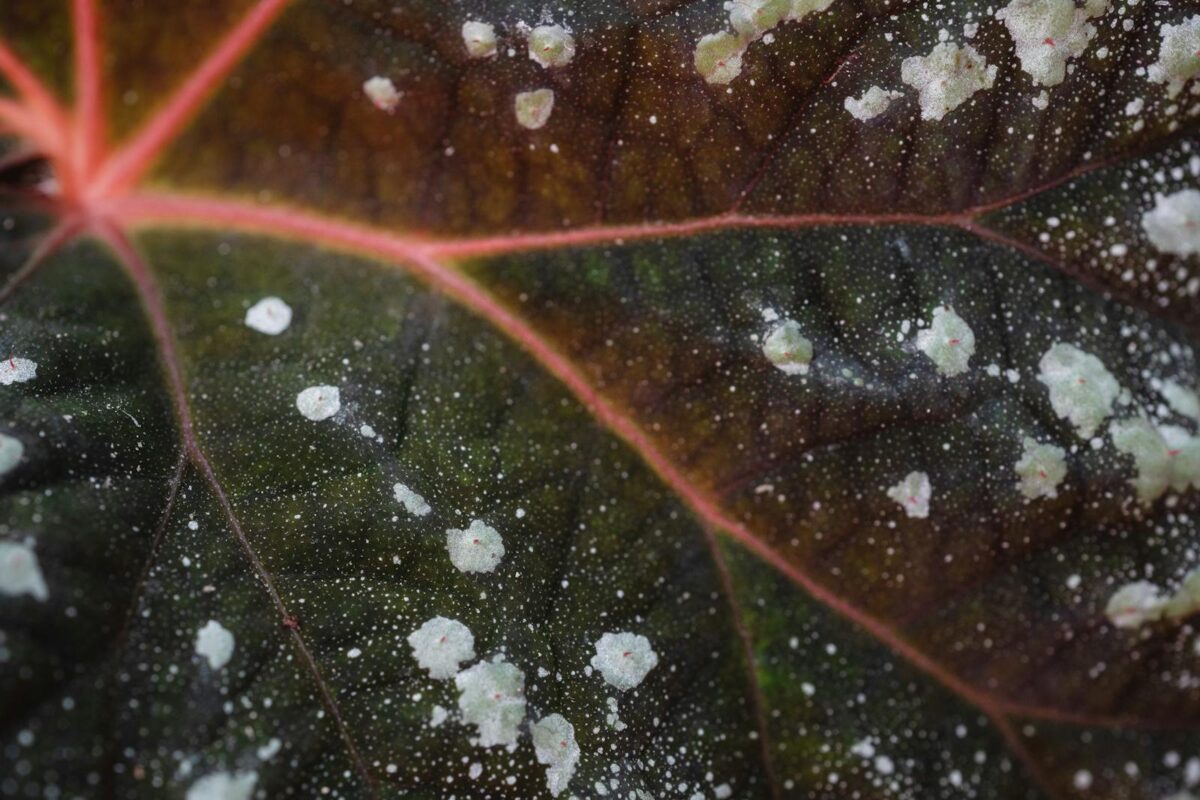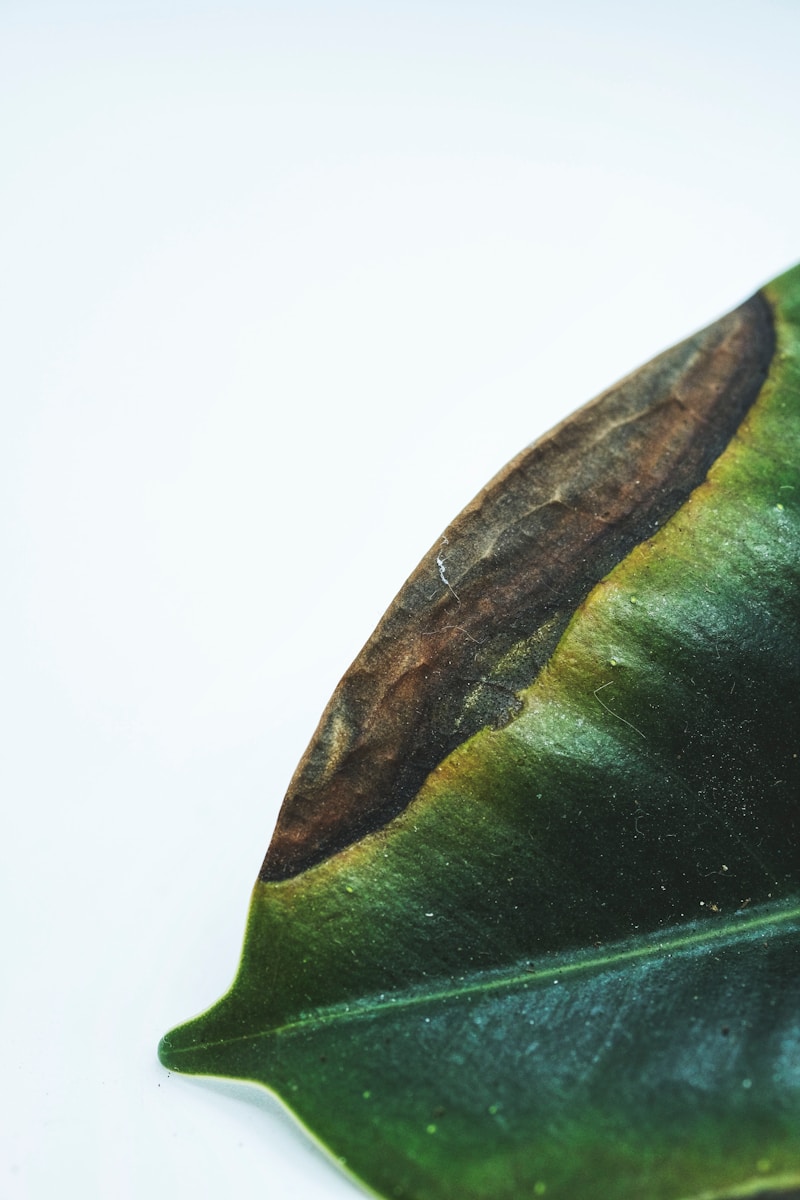
Healthy hydroponic plants depend on balanced nutrients delivered through water solutions. Imbalances—whether nutrient deficiencies or toxicities—can slow growth, reduce yields, and increase susceptibility to pests and diseases. This guide covers common nutrient issues, their symptoms, troubleshooting methods, and preventative strategies for hydroponic growers. Macronutrient Deficiencies Macronutrients are required in larger amounts for plant growth. Deficiencies…

Hydroponic systems rely on a variety of equipment to maintain nutrient delivery, lighting, airflow, and overall plant health. Malfunctions in pumps, lights, controllers, or reservoirs can disrupt growth and reduce yields. This guide covers common equipment failures, troubleshooting steps, and preventative maintenance strategies for hydroponic growers. Pumps (Water and Nutrient Pumps) Pumps are critical for…

Companion planting in hydroponics is the practice of growing plants together that mutually benefit each other, whether through pest prevention, nutrient sharing, growth support, or maximizing space. In indoor hydroponic systems, careful pairing of plants can improve yields, reduce stress, and enhance overall plant health. This guide explores the principles of companion planting, plant…

Flowering Plants for Hydroponics are a rewarding choice for indoor gardeners, offering vibrant blooms and a variety of growth experiences. Many flowering species can thrive indoors when provided with proper lighting, nutrients, and environmental conditions. This guide covers popular flowering plants for hydroponics, system selection, nutrient management, environmental needs, maintenance tips, and troubleshooting strategies. Popular…

Herbs are an ideal category for indoor hydroponic growing because they are generally compact, fast-growing, and highly rewarding. Unlike fruiting plants, most herbs do not require extensive pollination or high light intensity, making them perfect for beginners and experienced growers alike. This guide covers the best herbs for hydroponics, system choices, nutrient management, environmental considerations,…
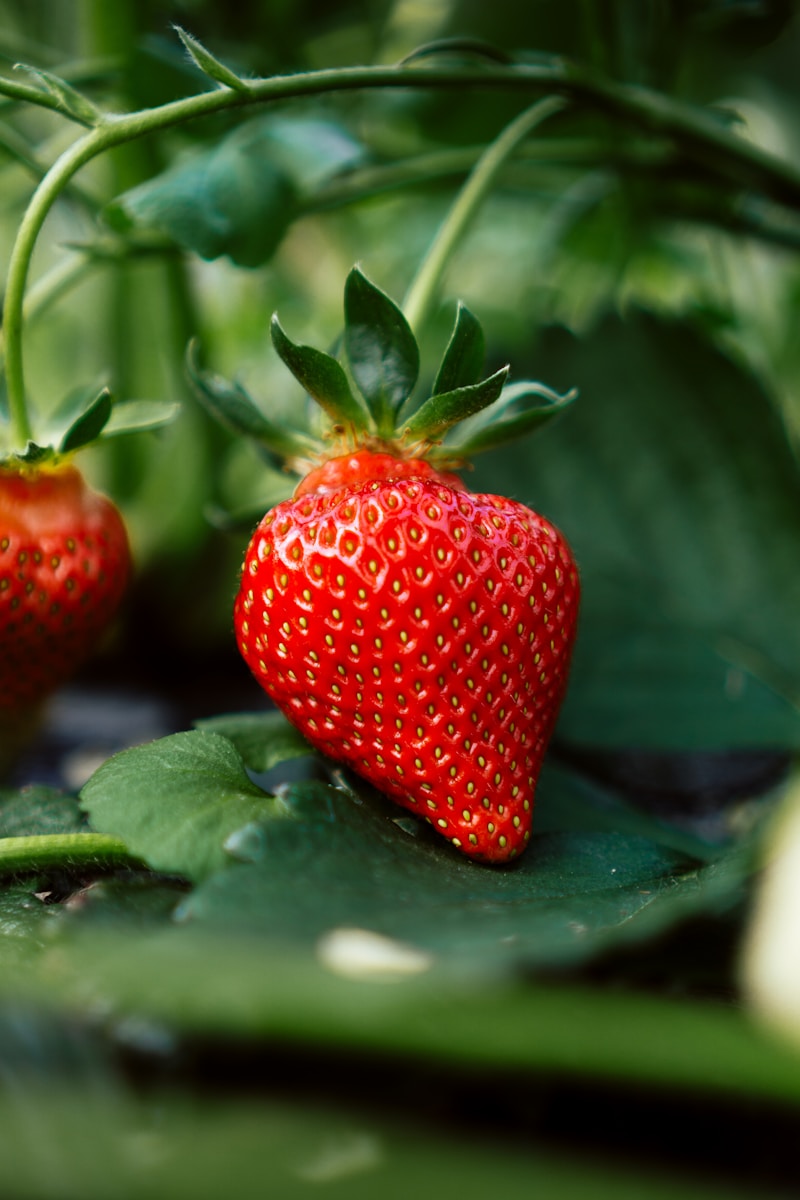
Fruiting plants are a rewarding yet more demanding category for hydroponic growers. Unlike leafy greens or microgreens, fruiting plants such as tomatoes, peppers, and strawberries require precise nutrient management, light schedules, and environmental control to produce high yields and flavorful fruit. This guide will walk you through the essential factors for successfully growing fruiting plants…

Growing plants hydroponically offers incredible speed and control, but it also creates conditions where diseases and molds can thrive if you’re not careful. Preventing these issues requires understanding how pathogens develop, maintaining ideal environmental conditions, and monitoring plant health closely. For beginners, start with the What Is Hydroponics post for foundational knowledge. For more in-depth…
Hydroponic growing gives you precise control over your plants’ environment, but water and nutrients can still cause major issues if not managed correctly. From pH imbalances to nutrient deficiencies, even experienced growers run into common challenges that stunt growth, reduce yields, or harm plant health. This guide covers the essential strategies, common problems, and verified…

Choosing the right nutrient source is one of the most important decisions for hydroponic growers. While both organic and synthetic nutrients can support healthy growth, understanding the differences, benefits, and limitations of each approach ensures optimal plant performance and efficient use of your hydroponic system. For a deeper overview of water and nutrient management in…

Proper nutrient management is the backbone of successful hydroponic gardening. Plants in a hydroponic system rely entirely on the nutrients you provide, so understanding when and how to feed them at different growth stages can make the difference between a thriving garden and a disappointing harvest. Understanding Plant Growth Stages Hydroponic plants go through distinct…