

Hydroponic growing tips are everywhere online, but many articles repeat the same basic advice about nutrients, pH, and lighting. While those fundamentals matter, there are several lesser known techniques that can make hydroponic gardening easier and more productive. Some of these tips can help prevent common problems, while others can improve plant growth and root health. After years of experimenting with different hydroponic systems, I have found that some of the most effective tricks are often the ones nobody talks about.
1. Keep Light Away From Your Roots
Most growers understand that plants need light, but roots are a different story.
In nature, roots spend their entire lives underground. When light reaches a hydroponic reservoir or root zone, it can encourage algae growth and create conditions that lead to other problems.
I learned this lesson the hard way when I used a tote with a lid that looked opaque but actually let some sunlight through. Within a couple of weeks, green algae started appearing around the net pots. Covering the lid with reflective tape solved the problem almost immediately.
If you can see light through a container, your roots probably can too.
2. Stop Chasing Every Small pH Change
Many beginners panic when they see their pH move a few tenths of a point.
A reservoir that starts at 5.8 and drifts to 6.2 is usually not an emergency. In fact, allowing a small amount of natural pH drift can help plants absorb a wider range of nutrients.
Constantly adjusting pH can create more instability than simply letting the reservoir settle into its normal range.
3. Use Silica Before You Need It
One of the most overlooked hydroponic growing tips is adding silica to your nutrient program.
Many growers only discover silica after plants begin struggling with heat, stress, or weak stems.
Silica helps strengthen plant tissue and can improve resistance to environmental stress. Think of it like preventative maintenance for your garden.
The strongest plants I have grown often received silica from the beginning rather than after problems appeared.
Keep in mind however, silica always needs to be added to the water first, thoroughly mixed, and pH-adjusted before adding any other nutrients.
4. Top Off With Water More Often Than Nutrients
This is one of the most common beginner mistakes.
As plants drink water, nutrients often remain behind in the reservoir. If you replace every gallon of lost water with a full nutrient solution, nutrient concentrations can slowly climb higher than intended.
Many growers find better results by topping off with plain pH adjusted water and only mixing a fresh nutrient solution during scheduled reservoir changes.
5. Watch Reservoir Temperature Closely
Growers often focus heavily on air temperature while completely ignoring the nutrient solution.
Unfortunately, roots care a lot about water temperature.
Warm water holds less dissolved oxygen and can increase the likelihood of root problems. Most hydroponic crops perform best when nutrient temperatures stay relatively cool.
A simple thermometer can reveal problems that might otherwise go unnoticed.
6. Bigger Air Pumps Are Not Always Better
Many hydroponic growers assume that adding more air automatically improves plant growth.
In reality, proper placement often matters more than sheer air volume.
An air stone positioned directly beneath a dense root mass can provide more benefit than several stones placed where roots rarely reach.
Before buying larger equipment, look at where oxygen is actually being delivered.
7. Beneficial Microbes Can Be More Useful Than Hydrogen Peroxide
Many soil gardeners know that hydrogen peroxide can help control fungus gnat larvae and certain root zone issues.
Hydroponic growers sometimes use peroxide as well, but there is another approach.
Beneficial bacteria and fungi can help create a healthier root environment by competing with harmful organisms. Many experienced growers prefer building a living root zone rather than repeatedly sterilizing the reservoir.
A living root zone is often easier to maintain than a sterile one. However, mixing the two is a disaster. Beginners should pick a lane early: either go full sterile (using hypochlorous acid or hydrogen peroxide) or full beneficial microbes (using hydro-specific bacteria blends). Trying to use both just kills the expensive beneficials.
Both methods can work, but beginners are often surprised to learn that hydroponics does not always have to be completely sterile.
8. Look At Roots Before Looking At Leaves
When plants begin showing symptoms, most people immediately examine the leaves.
Sometimes the real story is happening below the surface.
Healthy roots are usually white or cream colored and smell fresh. Brown, slimy, or foul smelling roots can indicate trouble long before leaf symptoms become severe.
Checking roots regularly can help catch problems early.
9. Seedlings Need Less Nutrient Strength Than Mature Plants
It is easy to assume that more nutrients equal faster growth.
Young seedlings often disagree.
Small plants typically require a much weaker nutrient solution than mature crops. Starting with a lower nutrient concentration can encourage healthier root development and reduce stress during the early stages of growth.
Many beginners accidentally slow growth by feeding seedlings too aggressively.
10. Sometimes Less Is More
One of the most valuable hydroponic growing tips is knowing when not to make adjustments.
A healthy hydroponic system does not need constant tinkering.
New growers often change nutrients, adjust pH, alter lighting schedules, and modify environmental conditions all within a few days. When problems occur, it becomes almost impossible to determine what caused them.
Some of the best harvests come from maintaining stable conditions and giving plants time to respond.
Final Thoughts
Successful hydroponic gardening is not always about buying better equipment or more expensive nutrients. Often, the biggest improvements come from understanding how plants interact with their environment. These hydroponic growing tips may seem simple, but small adjustments can have a significant impact on plant health, growth rates, and overall harvest quality.
The longer you grow hydroponically, the more you realize that success often comes from avoiding common mistakes rather than constantly searching for complicated solutions.
Free Hydroponics Tools to Dial In Your Grow
Don’t guess on the math. Use these free calculators to implement the exact tips from this guide, protect your root zone, and keep your reservoir balanced.
Hydroponic Calculators and Tools Page
- Nutrient Mixing Calculator — calculate exact nutrient dosing based on EC targets, reservoir size, and growth stage
- EC to PPM Converter — instantly convert EC readings into all major PPM scales (500, 650, 700)
- Reservoir Top Off Calculator — fix nutrient spikes by calculating exact dilution water needed
- Light Distance Calculator — find safe hanging distances for grow lights based on wattage, plant stage, and light type to avoid burn while maximizing growth.
- VPD Calculator — analyzes your temperature and humidity to calculate vapor pressure deficit based on your plant type and growth stage.
- Hydroponic System Selector Tool — helps you choose the best hydroponic system for your space and goals with recommended setups.
Ready to Grow? Choose a System Built to Succeed
Recommended Hydroponic Systems
Depending on your needs, you can go with a tabletop system to grow fresh herbs and spices right on your counter, or a larger tent setup to grow full-sized plants in a dedicated space.
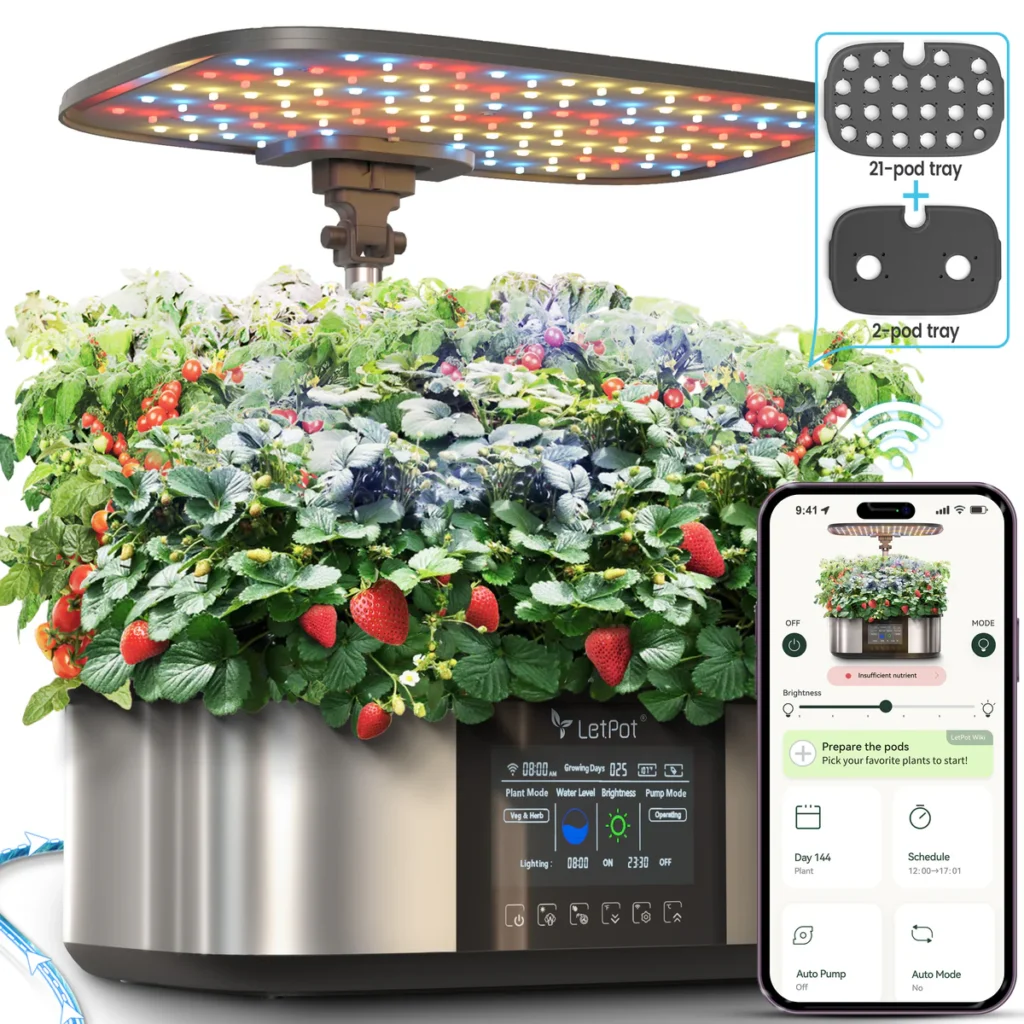
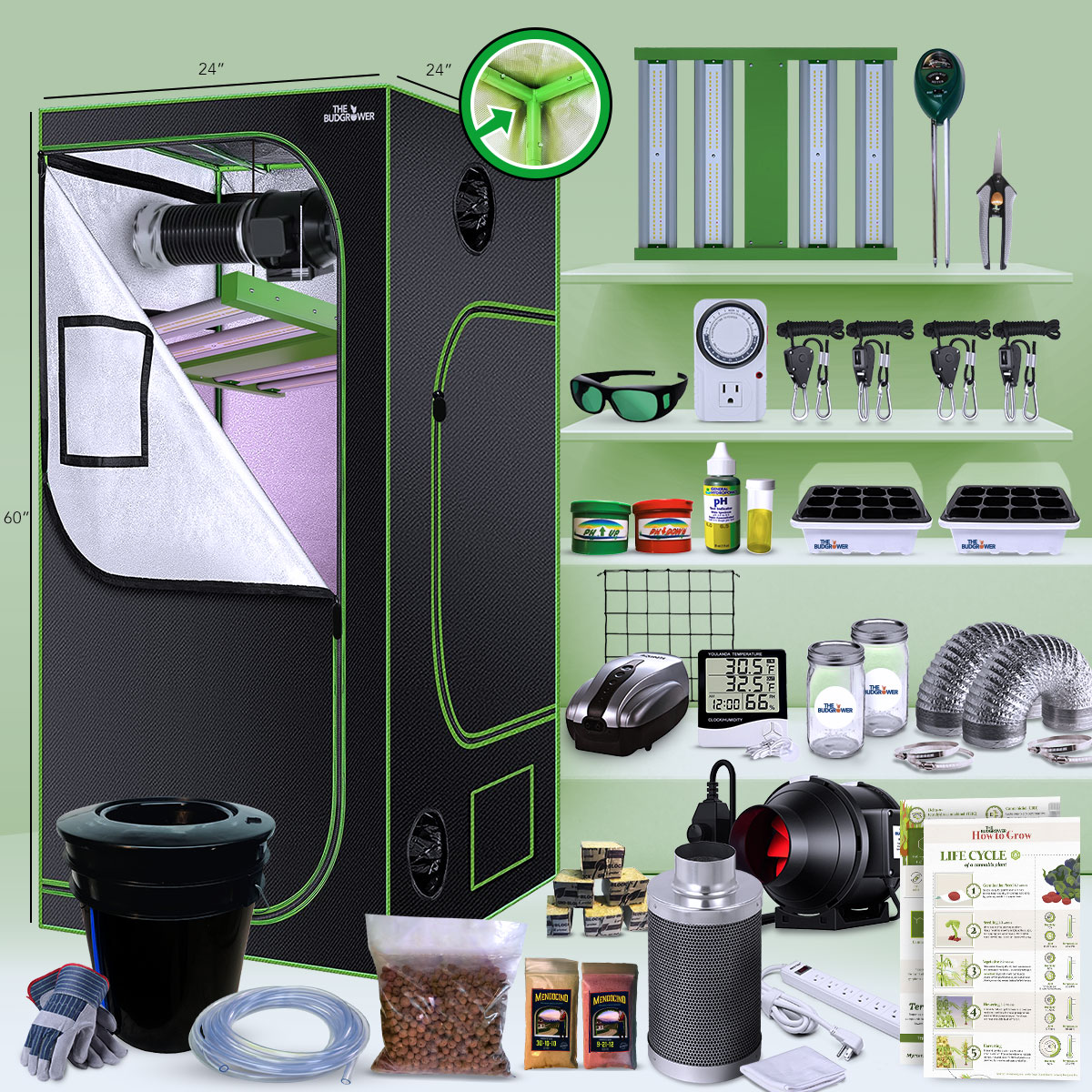
The choice is yours—either way, starting with a complete system makes it much easier to avoid the common beginner mistakes and get straight to a successful harvest.