
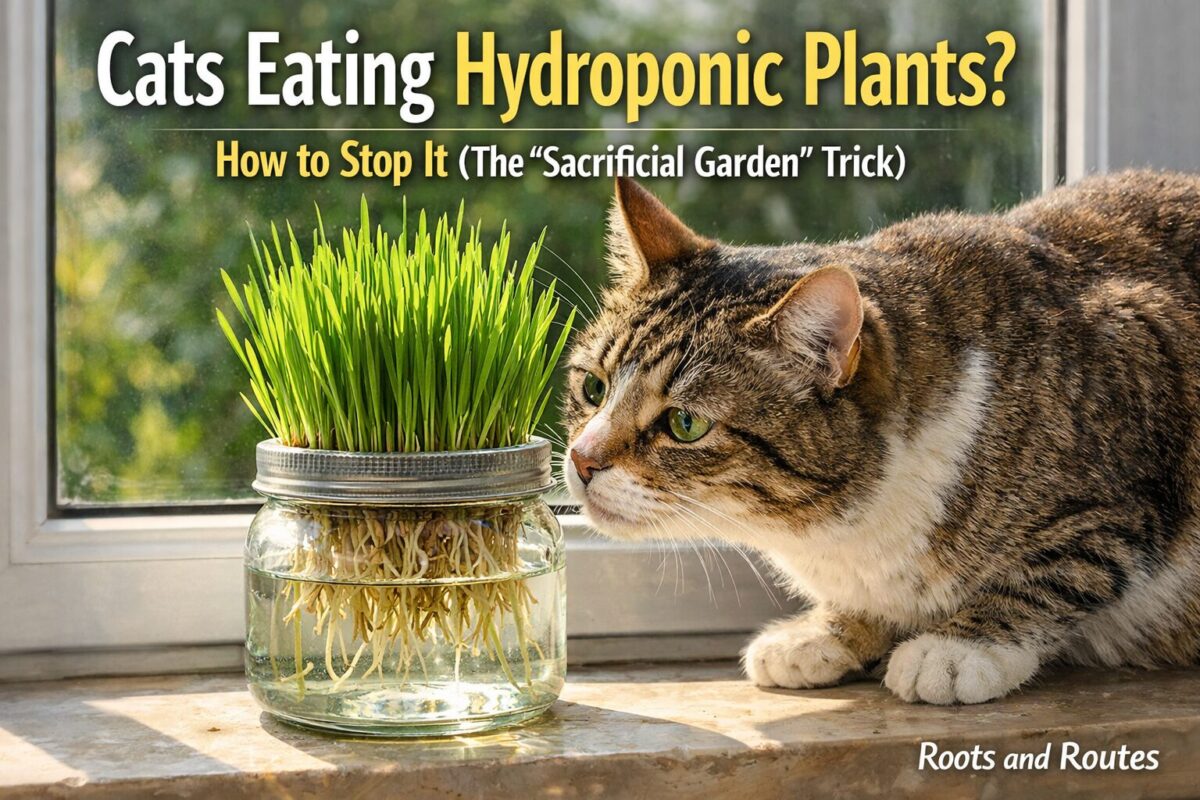
If you’ve ever had cats eating hydroponic plants, you know the frustration of seeing your carefully grown greens destroyed overnight.
You spend weeks growing a perfect head of butterhead lettuce. The pH is dialed in, the nutrient levels are perfect, and the roots look like a fluffy white cloud.
Then one morning you walk in with a cup of coffee and find absolute chaos.
The lettuce is shredded. Clay pebbles are scattered across the floor. Your deep water culture reservoir now looks suspiciously like a salad buffet.
And your cat is sitting in a sunbeam nearby looking extremely proud of itself.
If you grow hydroponically and have pets, this scenario is more common than you might think. Cats are naturally drawn to fresh greens, moving water, and anything their human seems obsessed with.
The good news is you do not have to choose between your hydroponic garden and your cat.
Instead, you can use a simple strategy farmers have used for decades.
I call it the sacrificial garden.
Why Cats Are Attracted to Hydroponic Plants
Before solving the problem, it helps to understand why cats love hydroponic plants so much.
Fresh leaves are irresistible
Hydroponic plants tend to be extremely crisp because they are constantly hydrated. The leaves are tender, juicy, and easy to chew. To a curious cat, it feels like discovering a bowl of fresh salad.
Moving water grabs their attention
Air stones and bubbling reservoirs make noise and movement that attracts animals. Cats are naturally curious about flowing water and often investigate the sound.
Curiosity and boredom
Cats explore their environment constantly. When they see you spending time adjusting lights, checking roots, and mixing nutrients, they assume whatever is inside that system must be interesting.
And unfortunately, they are usually right.
Are Hydroponic Plants Safe for Cats?
Most common leafy greens grown in hydroponic systems are not toxic to cats. Plants like lettuce, basil, and spinach are generally safe in small amounts.
The bigger concern is the growing environment.
Potential issues include:
| Concern | Why It Matters |
|---|---|
| Nutrient solution | Fertilizer salts are not meant for pets to consume |
| Growing media | Rockwool or clay pebbles can cause stomach issues if swallowed |
| System equipment | Pumps, wires, and tubing can become chew targets |
If you have pets around your grow setup, it is smart to keep edible greens out of easy reach and avoid letting them snack directly from your main system.
If you want a deeper look at plant safety and system protection, check out our article, How to Grow Hydroponics with Cats and Dogs in Your Apartment.
The Sacrificial Garden Strategy
Instead of constantly fighting your cat, you give them their own plant to chew on.
The idea is simple.
Grow something your cat is allowed to eat and place it somewhere easy for them to access.
Once cats have a dedicated plant to nibble, they are far less likely to attack your main crops.
Farmers call this a trap crop. It distracts pests away from the plants you actually care about.
Your cat gets a snack.
Your lettuce survives.
Everyone wins.
The Best Plants for a Cat-Friendly Hydroponic Garden
You do not need fancy seeds or expensive nutrients for this setup. The goal is fast growth and safety.
Wheatgrass (Cat Grass)
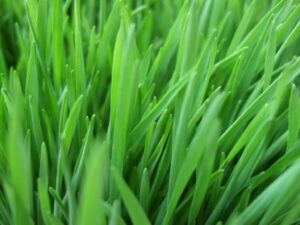
This is the gold standard.
Wheatgrass grows quickly, is inexpensive, and most cats absolutely love it. In many cases it is ready to eat in about 7 to 10 days.
Catnip
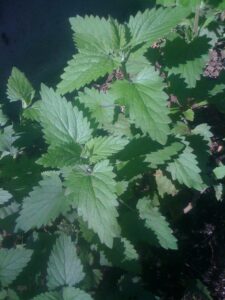
Catnip can also be grown hydroponically and becomes extremely potent in a controlled system. Just be aware that it may turn your grow room into your cat’s favorite hangout spot.
Lemon Balm
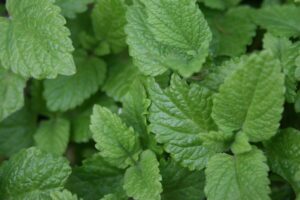
Lemon balm is safe for cats and has a pleasant citrus scent. Some cats enjoy the texture of its leaves and stems.
A Simple Hydroponic System for Cat Grass
You do not need pumps or complicated equipment for a sacrificial plant. In fact, simple is better because cats occasionally knock things over.
A basic passive system works perfectly.
Mason Jar Kratky Setup
Here is one of the easiest methods.
| Item | Description |
|---|---|
| Container | Wide-mouth quart mason jar |
| Net pot | 3 inch net pot that fits the jar opening |
| Growing media | Clay pebbles (Hydroton) |
| Nutrient solution | Very light nutrient mix or plain water |
The Kratky method allows the plant to grow without pumps or air stones. That means fewer cords, less noise, and fewer things your cat can play with.
Tip: Wrap the jar with tape or paint it dark to prevent algae growth.
Where to Place Your Cat’s Hydroponic Plant
Placement matters more than the system itself.
The sacrificial plant should be easy for your cat to reach.
Good locations include:
- Windowsills
- Low shelves
- Small side tables near sunlight
Meanwhile, your actual hydroponic crops should be slightly harder to access.
Many growers protect their systems by placing them:
- inside grow tents
- on elevated racks
- behind simple barriers
Once your cat learns where the “legal” snack is located, they will usually focus on that instead of exploring your main garden.
Rotate Plants for Continuous Cat Snacks
Cat grass does not regrow very well after heavy chewing. Once it is trimmed down to stubble, it usually slows dramatically.
The easiest solution is to keep two or three jars growing at once.
When one plant gets destroyed, replace it with a fresh one.
With a small rotation system, your cat will always have something safe to chew on.
A Few Tips for Growing Hydroponics With Pets
If animals live in your home, a few extra precautions help keep your system clean and running smoothly.
Groom pets regularly
Loose fur can float into reservoirs and clog pumps or filters.
Keep nutrient strength low
If cats are nibbling on their own plant, use a nutrient solution around half strength compared to standard vegetable feeding.
Secure containers
If your cat is particularly energetic, consider using a small piece of Velcro under the jar to keep it from sliding or tipping.
It sounds simple, but it works surprisingly well.
Winning the Battle by Surrendering
Trying to completely stop a cat from investigating plants is usually a losing battle.
Cats are curious creatures and fresh greens are simply too tempting.
The sacrificial garden approach works because it redirects that curiosity instead of fighting it.
By giving your cat their own hydroponic snack station, you protect your main crops and keep your furry garden inspector happy at the same time.
And if your plants ever look stressed and the cat is clearly innocent for once, you might want to check out our guide explaining Why Hydroponic Plants Wilt Even When Water Is Always Available.
Sometimes the problem really is the nutrients.
Not the cat. 🐱🌱
Choose the Right Hydroponic System
Not sure which hydroponic setup fits your space and plants? Our Hydroponic System Selector Tool helps you quickly find the best system type! Tabletop, tower, or tent in the right size for your needs. It’s a fast way to plan your grow and see recommended products to get started.